
Last updated November 23, 2026
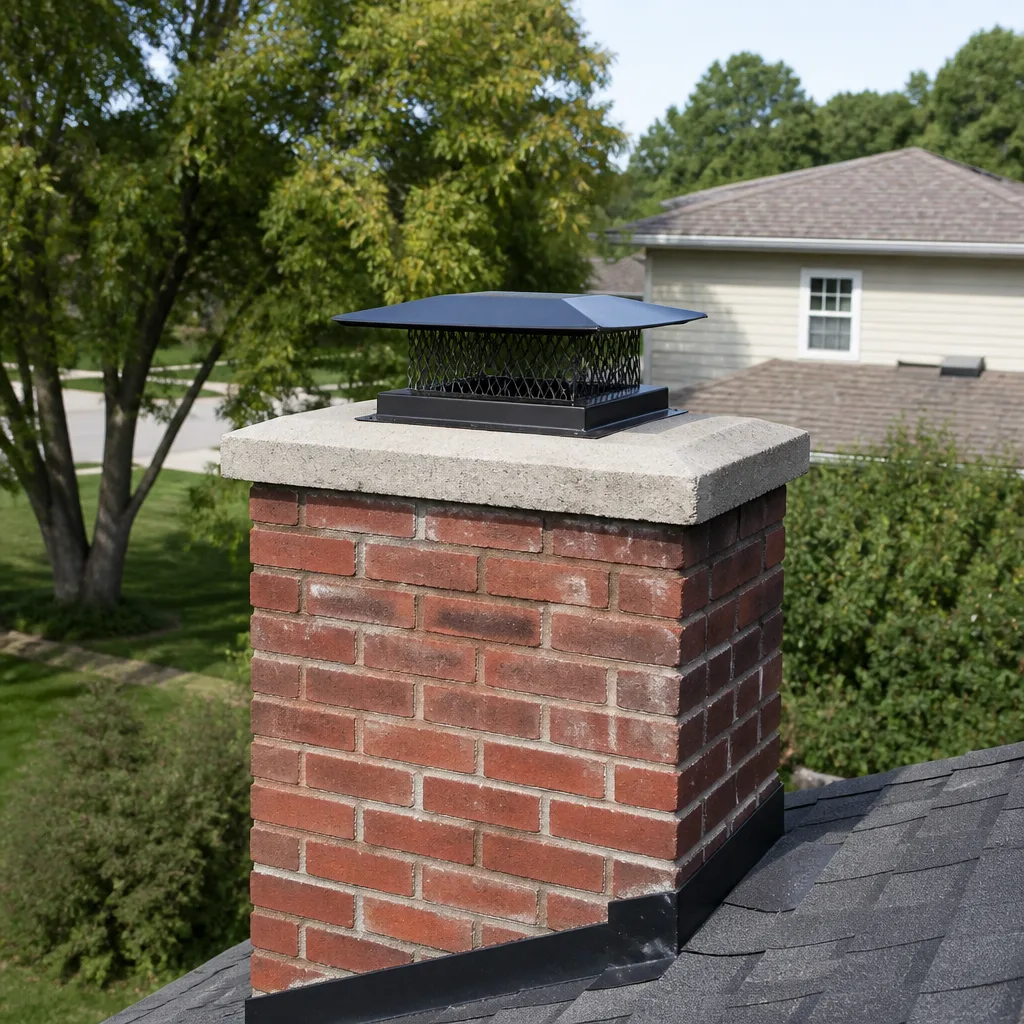 Sweep & inspection
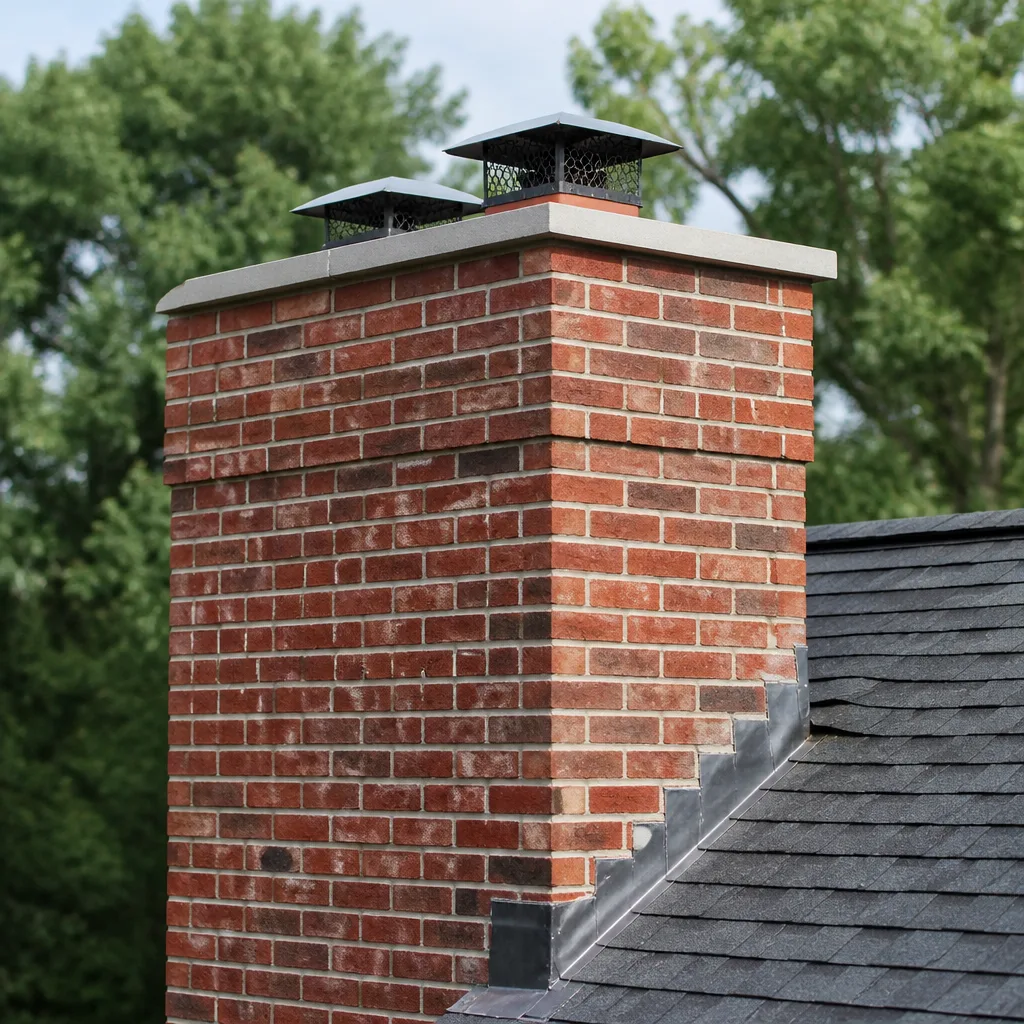 Caps & crowns
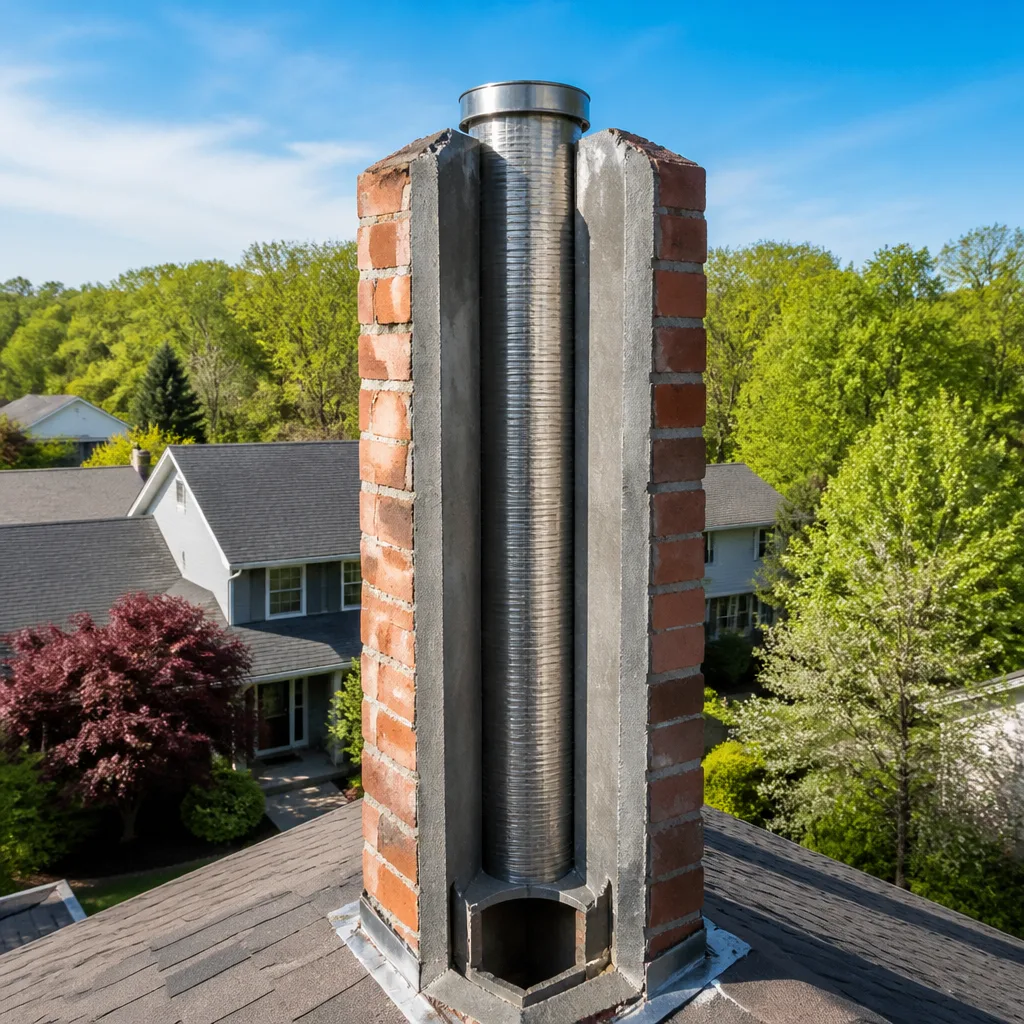 Flue relining
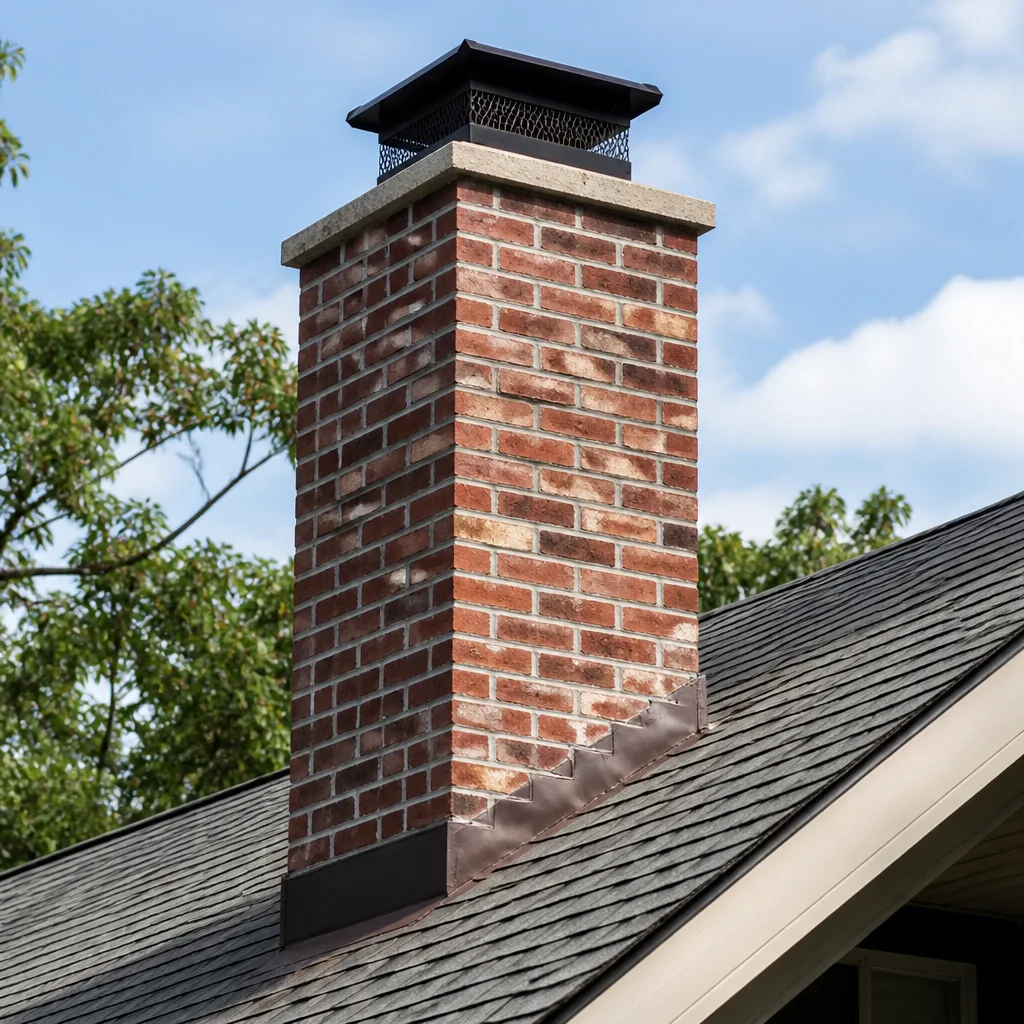 Masonry repair
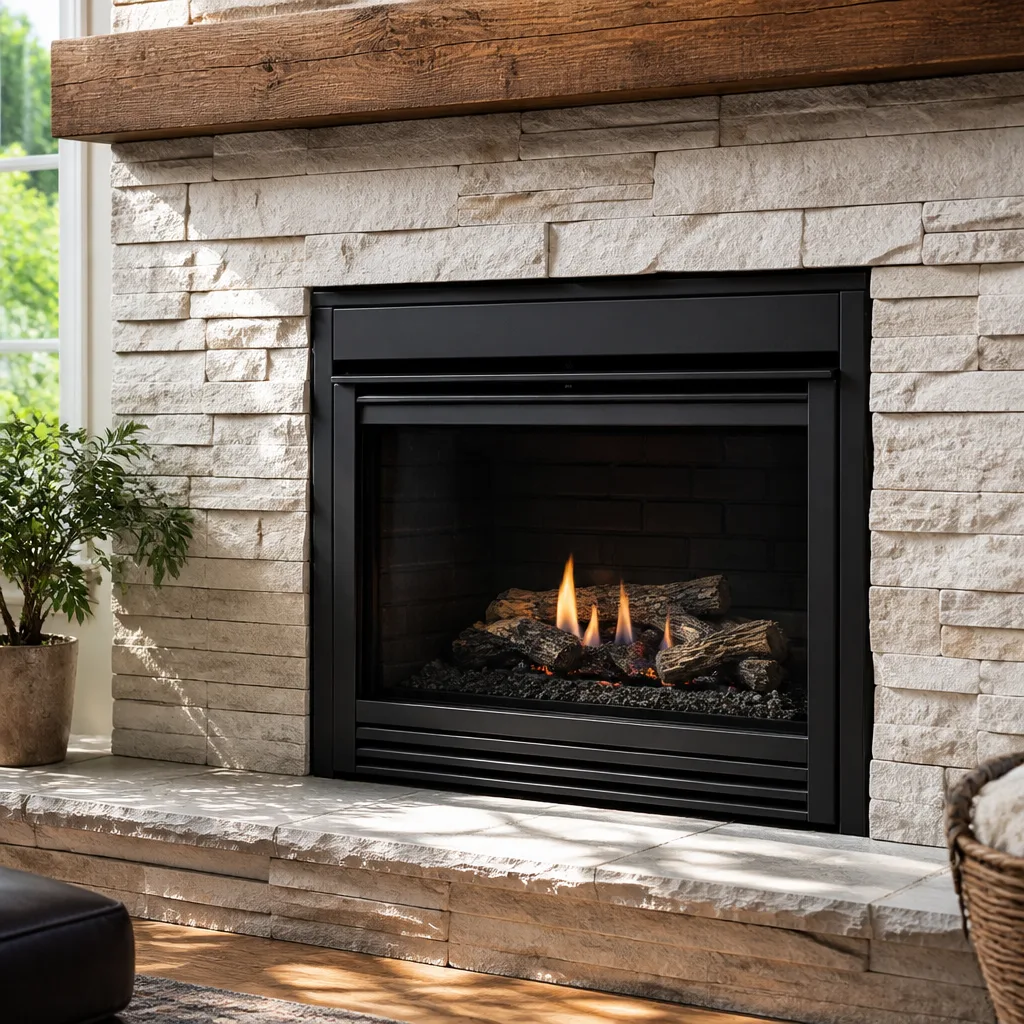 Gas fireplace service
Level 1 sweep and inspection to the NFPA 211 annual standard - flue, crown, cap, and flashing checked and photographed
Chimney sweep logs do not sweep chimneys. They loosen some creosote - which then falls where a brush and vacuum still have to collect it.
Chimney Cleaning Permits, Codes & Inspections in Washington Square, CA: What You Need to Know
A chimney relining job done without the required permit in California isn’t just a paperwork problem. It’s a disclosed defect that can stall a real estate transaction and give an insurer a reason to question a claim after a fire. Yet the most common misreading we hear in Washington Square is the opposite worry: homeowners assume a routine sweep needs a permit, when it usually doesn’t. The line between a permit-exempt cleaning and a permit-triggering repair is the part nobody explains clearly. This guide draws that line for Washington Square homeowners, from the California Mechanical Code to what a Level 2 inspection does in a sale or a claim.
Quick Answer
Routine chimney cleaning and inspection in Washington Square, CA generally do not require a permit. Work that changes the structure or the venting system does: relining, structural masonry repair, and connecting or replacing a wood or gas appliance. Any structural chimney work should follow the California Mechanical Code, local amendments, and NFPA 211 standards, and a licensed contractor should pull the permit before work starts.
Styles & brands we work with
- Sweep & inspection
- Caps & crowns
- Flue relining
- Masonry repair
- Gas fireplace service
Table of Contents
- Which Chimney Services Need a Permit in Washington Square, CA?
- How the California Mechanical Code Applies to Chimney Work
- What a Level 2 Inspection Does in a Sale or Insurance Claim
- Code Compliance vs. NFPA 211: Why a Good Contractor Follows Both
- How to Verify Your Contractor Is Pulling the Right Permits
- What to Do When a Contractor Says Permits Aren’t Needed
- The Real Cost of Unpermitted Chimney Work
- How Washington Square’s Mild Winters Shape Chimney Wear
Which Chimney Services Need a Permit in Washington Square, CA?
Cleaning and inspection are permit-exempt in Washington Square. Relining, structural repair, and appliance work are not. That single split answers most of the permit questions we get, but the details on each side matter because the consequences of guessing wrong run in both directions. Pulling a permit you didn’t need costs time and money. Skipping one you did need leaves a record you can’t easily undo.
Permit-exempt in most California jurisdictions:
- Routine chimney sweeping and creosote removal
- Level 1, Level 2, and Level 3 inspections
- Cleaning a fireplace firebox or sweeping a flue
- Replacing a chimney cap on an existing, unmodified flue
Typically requires a permit:
- Relining a flue with a new liner system, including flexible liner installation
- Structural masonry repair to the chimney stack, crown, or firebox
- Connecting a new wood stove, insert, or gas appliance to the flue
- Removing or rebuilding a chimney above the roofline
The cap question catches people out. A straight replacement of a cap on an unchanged flue is usually treated as maintenance. Altering the flue to fit a new cap or appliance is different, and that’s when a permit enters the picture. Washington Square’s older homes, many with original masonry chimneys, are the ones most likely to need structural work that crosses the line. If you’re unsure which side of the line your job falls on, ask before booking. A chimney is a system, and the permit question is the first thing to settle on any job that changes it.
How the California Mechanical Code Applies to Chimney Work
The California Mechanical Code sets the baseline for how venting systems and solid-fuel appliances are installed in this state. It governs clearances, flue sizing, termination heights, and the connection between an appliance and its chimney. Local jurisdictions can amend it, and many do. Washington Square sits within a California jurisdiction, so both layers apply: the state code as written and whatever amendment your city or county building department has adopted on top of it.
The code exists because venting is a safety system, not a decoration. A flue that’s too small for the appliance, or a clearance that’s too tight to combustibles, creates a hazard whether or not anyone notices on install day. Here’s how the layers stack up for a typical job:
- State code sets minimum clearances and venting requirements for solid-fuel appliances.
- Local amendments adjust those requirements and define what needs a permit.
- Manufacturer instructions for the liner or appliance often specify tighter requirements than the code minimum.
- NFPA 211 supplies the inspection and maintenance standard the trade works to.
In our experience, the jobs that go wrong are the ones where someone followed only one layer. A liner installed to manufacturer spec but without the local permit is compliant on paper and defective on record. A permit pulled without checking the manufacturer’s clearance requirements passes inspection and still underperforms. Both matter. When we install DuraFlex liner systems in Washington Square homes, the code, the local amendment, and the manufacturer’s instructions all get checked before anything goes in.
What a Level 2 Inspection Does in a Sale or Insurance Claim
A Level 2 inspection is the one buyers, sellers, and insurers ask for, and it’s the inspection that carries legal weight in a Washington Square transaction. It goes beyond a visual check from the firebox. It includes accessible portions of the chimney, the attic and crawl space where reachable, and it’s normally paired with a camera scan of the flue interior. In a real estate sale, that camera footage and written report become part of the disclosure package.
Under California’s disclosure rules, a seller is expected to disclose known material defects. A chimney with a cracked or deteriorated liner is a material defect, and a Level 2 inspection is how it gets found. The timeline on a sale usually looks like this:
- The buyer’s home inspector flags the chimney and recommends a Level 2 inspection.
- A qualified chimney professional performs the inspection and documents findings with photos and video.
- Findings are disclosed to the buyer, and the parties negotiate repair or credit.
- If repair is required, the contractor pulls the permit and completes the work before or after close, depending on the agreement.
For insurance claims after a chimney fire or a carbon monoxide event, the same report does different work. It establishes the condition of the system before and after the event and separates pre-existing wear from damage caused by the loss. Insurers rely on that distinction. A report without camera evidence is a report they can dispute. That’s why we include a camera inspection and photo report with our inspections in Washington Square: nothing gets recommended that you can’t see for yourself.
Code Compliance vs. NFPA 211: Why a Good Contractor Follows Both
Code compliance is the legal floor. NFPA 211 is the standard the trade works to, and it often asks for more. The difference matters in Washington Square because plenty of chimney work passes a code inspection and still falls short of the standard a competent contractor would hold it to.
NFPA 211, the Standard for Chimneys, Fireplaces, Vents, and Solid Fuel-Burning Appliances, covers inspection levels, maintenance intervals, and how a chimney should be evaluated. The code tells you what’s legal. NFPA 211 tells you what’s sound. A few places where they diverge:
- Inspection depth: Code may require only a visual check in some contexts; NFPA 211 defines three inspection levels, and a Level 2 or 3 goes much further.
- Liner evaluation: A code-compliant install can still leave a liner that’s deteriorated but technically permitted; NFPA 211 calls for evaluating the liner and repairing or relining as needed.
- Cap and crown: Neither the code nor NFPA 211 mandates a cap on every chimney, but a properly detailed cap and crown is the leading defense against water intrusion.
This is why working with trade-grade materials matters as much as following the standard. A HeatShield ceramic resurfacing application restores a compromised flue liner in a way a hardware-store patch cannot. A cap from Famco or Copperfield, properly installed, does what a loose piece of flashing over the top never will. Following both the code and NFPA 211 is a choice, and it’s the one we make on every Washington Square job.
How to Verify Your Contractor Is Pulling the Right Permits
Verification takes a few phone calls and an afternoon. Before any structural or relining work starts in Washington Square, you should be able to confirm three things: that a permit was pulled, that the permit covers the work being done, and that the contractor’s license is current. If a contractor can’t help you confirm those three, that’s information.
Here’s the process we recommend:
- Ask who is pulling the permit. On permitted work, the licensed contractor pulls the permit. A homeowner pulling their own permit on structural chimney work shifts the liability onto them.
- Get the permit number. Before work starts, ask for the permit number and the name of the issuing jurisdiction.
- Verify with the building department. Call the city or county building department and confirm the permit exists, what it covers, and its status.
- Check the license. The California Contractors State License Board maintains a public lookup. Confirm the license is active and in the right classification for the work.
- Confirm the inspection will happen. A permitted job gets inspected by the jurisdiction. Ask when that inspection is scheduled and make sure it happens.
The local pro is licensed and insured as their state requires, and that verification is on you to do once. It takes ten minutes. Structural chimney work is not a handyman job, and a contractor who treats it like one is telling you something. If a permit is needed, the local professional we connect you with pulls it and shows you the paperwork.
What to Do When a Contractor Says Permits Aren’t Needed
Don’t take the word for it. “You don’t need a permit for that” is the single most common line we hear homeowners repeat when they call us to fix someone else’s work. Sometimes the contractor is right. Cleaning and inspection don’t need one. But when the scope includes relining, structural repair, or an appliance connection, the answer is usually the opposite, and the homeowner is the one left holding the defect.
What to do when you hear it:
- Ask the contractor to put the scope in writing. A written scope makes it easy to compare what’s being done against what permits cover.
- Call the building department yourself. Ask whether that scope requires a permit in Washington Square. You’ll get a straight answer.
- Get a second opinion if the answer surprises you. A second inspection costs little compared to a retroactive permit or an insurance dispute.
- Walk away from anyone who discourages you from checking. A contractor with nothing to hide doesn’t mind a phone call to the building department.
There’s a second version of the red flag. Sometimes a contractor says permits aren’t needed because pulling one would surface something else: an undersized flue, a clearance violation, a liner installed wrong. If the permit question makes a contractor uncomfortable, the deeper problem is usually that the work isn’t going to pass. We identify what sweep-only services miss, and part of that is telling you plainly when a job crosses into permitted territory. If a contractor tells you permits aren’t needed for relining or structural work, ask for that answer in writing.
The Real Cost of Unpermitted Chimney Work
Unpermitted work is a defect that follows the house, not the contractor. When you go to sell a Washington Square home, the buyer’s inspection and the title process can turn up a permit that should exist and doesn’t. The fix is rarely cheap. You may need to open up finished work for inspection, pull a retroactive permit, or redo the work entirely.
The insurance side is worse. After a chimney fire or a carbon monoxide event, an adjuster looks at whether the system was installed according to code. If it wasn’t, the claim can be denied or reduced, and the homeowner is left paying for damage they assumed was covered. A permit doesn’t prevent a fire. It creates a record that the system was installed correctly, and that record is what an insurer reads.
Financially, an unpermitted job saves you the permit fee and nothing else:
- At sale: Buyer leverage, a delayed closing, or a negotiated credit far larger than the permit would have cost.
- After a loss: A disputed or denied claim when the system’s compliance is in question.
- At resale down the road: A permanent public record showing work done without permits.
- On the work itself: An unpermitted job never got the jurisdictional inspection that catches clearance and sizing mistakes.
The permit itself is minor: a modest fee, a plan check, and an inspection. The cost of skipping it is not. If you’re buying a Washington Square home with a recently relined chimney, ask for the permit and inspection record before you close.
How Washington Square’s Mild Winters Shape Chimney Wear
Mild winters change how a chimney in Washington Square ages, and they change how often it needs attention. In a cold climate, freeze-thaw cycles crack masonry and crown. Here in Washington Square, the more common wear comes from moisture and from the long dry season. Rain soaks a masonry stack through a missing or failing cap, and the crown, the concrete top that sheds water away from the stack, takes the brunt of it. By the time a homeowner notices a stain on the ceiling, moisture has been moving through the masonry for a while.
The other local factor is use pattern. A mild winter doesn’t mean no fires; it means occasional fires over a longer season. Occasional burning can build creosote without the homeowner noticing, because there’s less smoke in the house to trigger a call. The cap and crown do the water work. A properly fitted cap from a trade-grade supplier prevents most of the moisture that would otherwise attack the stack, and that’s the reason we treat cap and crown as a dedicated service rather than an add-on to a sweep. Sweep-only companies leave this unresolved, and it’s the leading cause of chimney water damage we see in Washington Square.
In our experience, a Washington Square chimney benefits from an annual inspection regardless of how much it was used. The inspection catches liner deterioration, cap failures, and crown cracks early, when they’re still repairs. Left until spring, a small crack becomes a masonry job, and a masonry job goes from permit-exempt maintenance to a permitted structural repair.
Common Mistakes to Avoid
- Assuming a sweep needs a permit. It doesn’t, and paying for one wastes time. The opposite mistake, relining without a permit, is the expensive one.
- Letting the contractor pull the permit in your name. On structural work, a homeowner-pulled permit shifts the liability and the inspection burden onto you, and most insurers won’t accept it.
- Skipping the Level 2 inspection during a sale. A standard home inspection doesn’t scan the flue interior. In a Washington Square transaction, the resulting disclosure gap is what stalls closings.
- Treating the cap as optional. A missing or failing cap is the leading source of chimney water damage in this climate, and it’s a maintenance item, not a luxury.
- Accepting a verbal “you don’t need a permit” for structural work. Get it in writing, then call the building department and confirm. If the contractor discourages you from calling, walk away.
- Choosing a generalist for a specialist job. Chimney work crosses into structural repair and relining often enough that a handyman who “also does chimneys” is the wrong call. Verify the contractor’s license classification covers the work.
- Ignoring NFPA 211 because the code says it’s legal. Code compliance and a sound system aren’t the same thing. Ask any contractor you hire how they apply both.
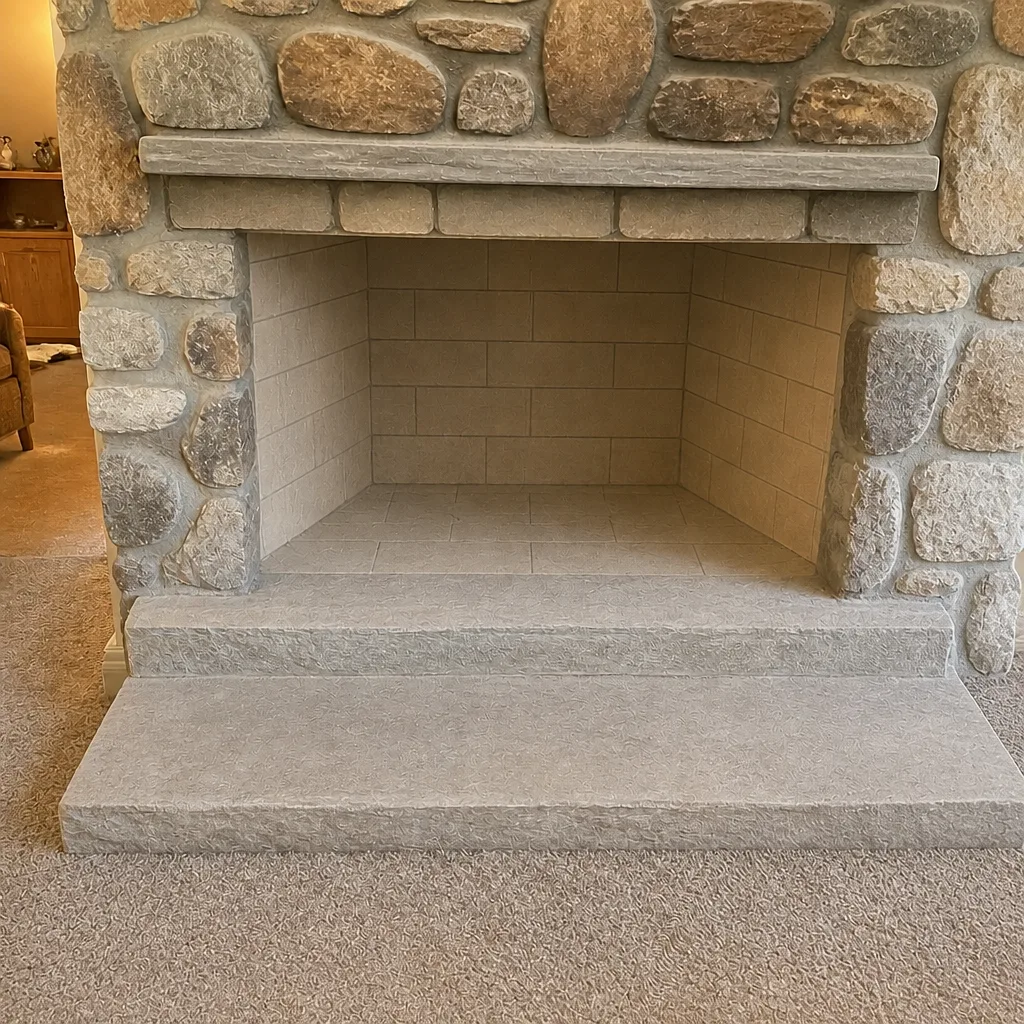
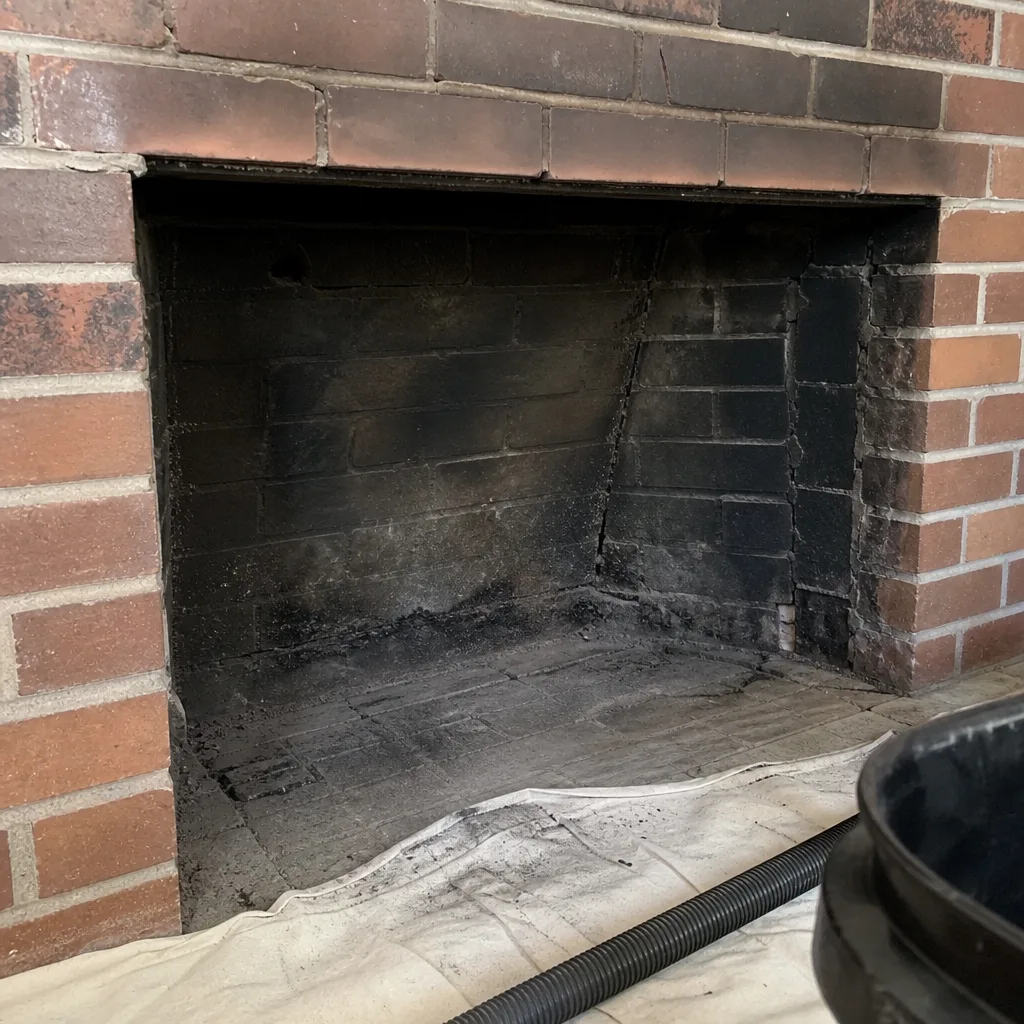
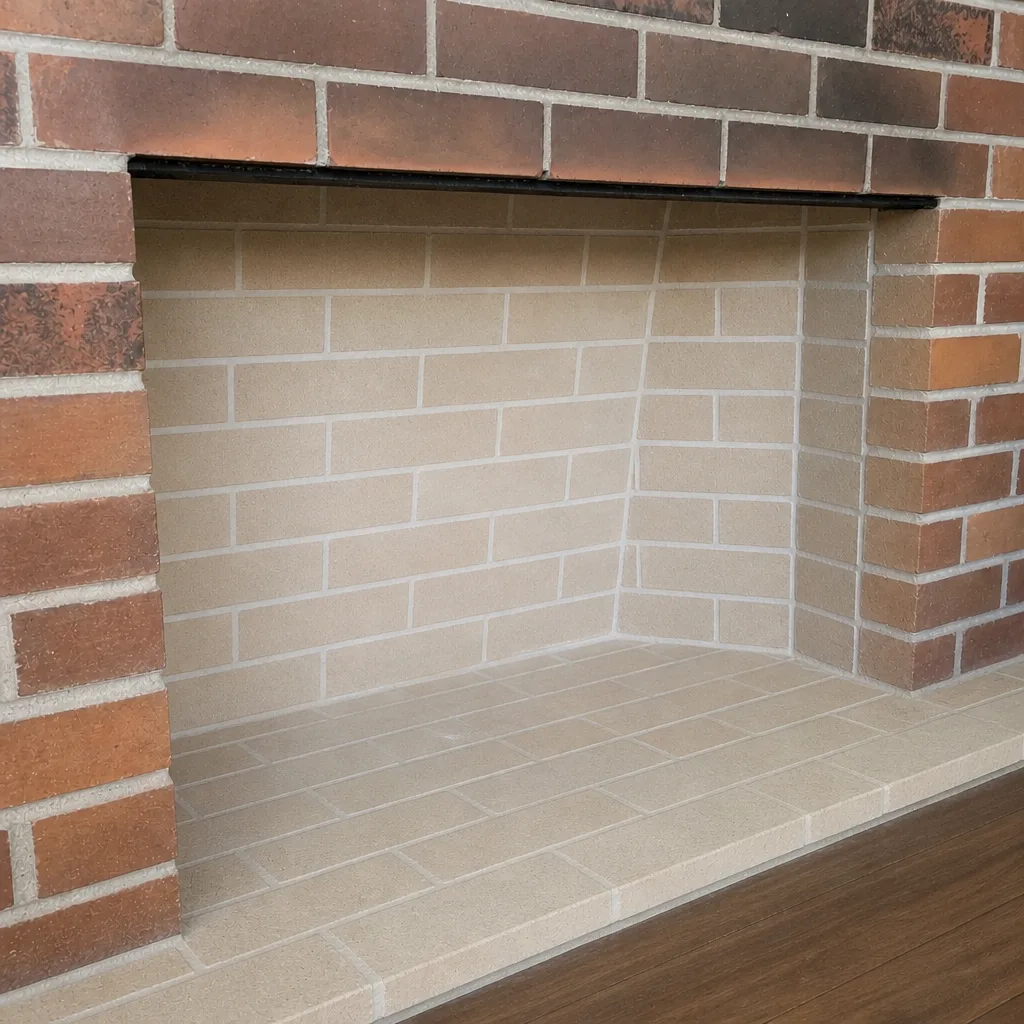
See the difference
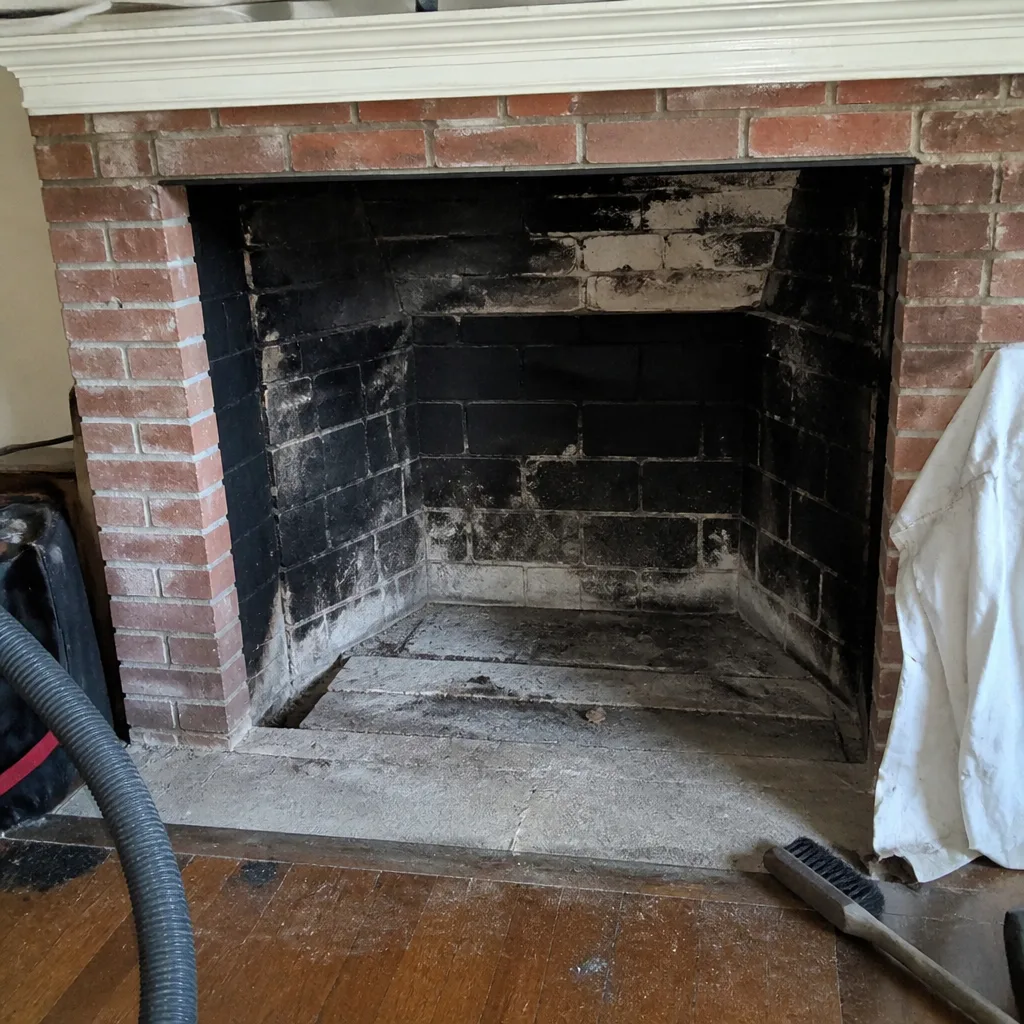 Before
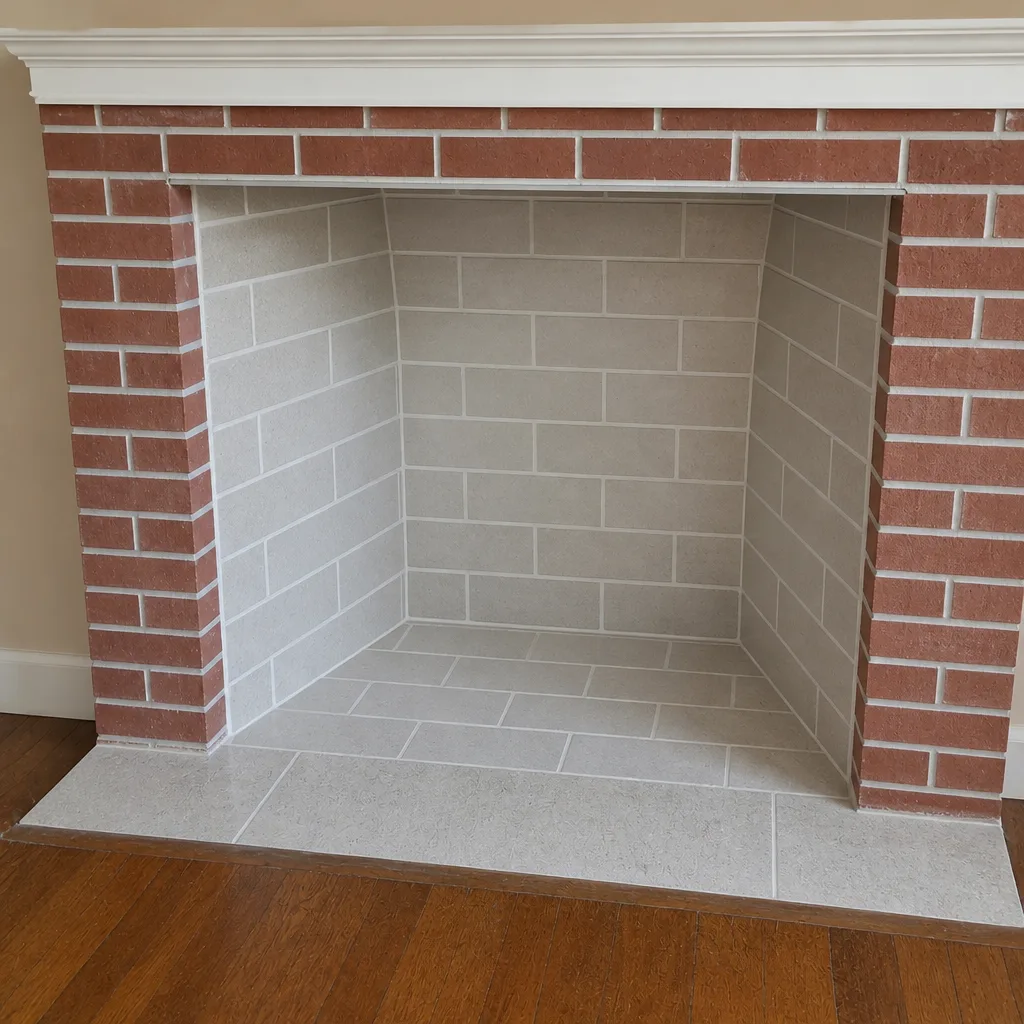 After
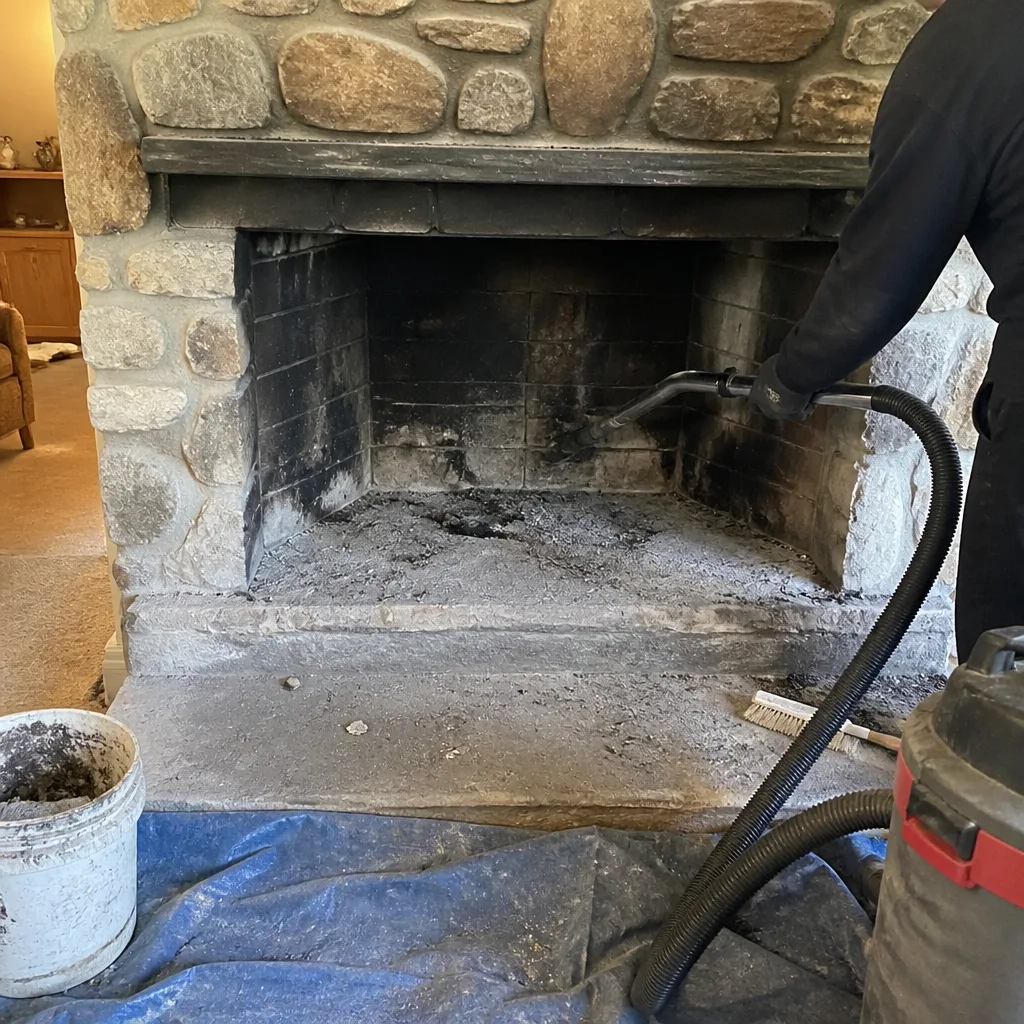 Before
 After
 Before
 After
When to Call a Professional
Call when the work crosses from cleaning into anything structural, or when you can’t confirm the permit question yourself. Scenarios that warrant a professional in Washington Square: a home inspector has flagged the chimney during a sale, your insurer has asked for documentation of the system’s condition, a contractor has recommended relining or masonry repair, the firebox or damper is failing, you’ve never had the system inspected, or you’re buying a home with a recently relined or rebuilt chimney and need the permit record. Chimney Sweep Washington Square offers free estimates in Washington Square. Call (833) 513-8794. We answer 24/7. Fast dispatch from 7am to 7pm, Sunday through Friday. We work with DuraFlex liner systems and HeatShield ceramic resurfacing, and we install caps and crowns from trade-grade suppliers including Famco and Copperfield, so a single company can take a job from inspection through repair.
Frequently Asked Questions
No. Routine chimney sweeping and inspection in Washington Square don’t require a permit. Cleaning is maintenance, and inspections are evaluations, so neither touches the structure or the venting system. The permit question only comes up when the scope moves into relining, structural masonry repair, or appliance work. Call (833) 513-8794 for an exact quote on a sweep; estimates are free.
Relining a flue, structural masonry repair, and connecting a new or replacement appliance to the chimney typically require a permit in California. So does rebuilding or removing a chimney above the roofline. The specific scope depends on your local jurisdiction’s amendments, so confirm the line with the building department before work starts. If you’re unsure whether your job needs one, ask and we’ll talk it through. Call (833) 513-8794.
A Level 2 inspection examines the accessible portions of the chimney, including the attic and crawl space where reachable, and is normally paired with a camera scan of the flue interior. You need one when buying or selling a home, after a chimney fire or other event, when changing the appliance or fuel type, or when an insurer asks. It’s the inspection that produces the documented findings a transaction or a claim relies on. Call (833) 513-8794 to schedule one; estimates are free.
The code is the legal minimum, and NFPA 211 is the standard the trade works to, which often asks for more. Code tells you what’s required and legal; NFPA 211 tells you what a sound system looks like in practice. A job can pass a code inspection and still fall short of NFPA 211, which is why a good contractor follows both. If a contractor can’t explain the difference, ask them to. Call (833) 513-8794 if you need a second look.
Usually not. Relining a flue is a change to the venting system and typically requires a permit in Washington Square and across California. Ask the contractor to put the scope in writing, then call your building department and confirm whether that scope requires a permit before work starts. If the contractor discourages you from checking, find another contractor. Call (833) 513-8794 for a second opinion; estimates are free.
An annual inspection is the standard under NFPA 211, and it’s the interval we recommend for most Washington Square homeowners. Sweeping frequency depends on how much the chimney is used and what it burns; an occasional burn over a long mild season can still build creosote. An annual inspection catches liner and cap problems before they become structural repairs. Call (833) 513-8794 to book one; estimates are free.
The Bottom Line
The permit question, once you know the line, answers almost every chimney compliance question in Washington Square. Cleaning and inspection don’t need one. Relining, structural masonry repair, and appliance work do. The California Mechanical Code and any local amendments set the legal floor; NFPA 211 sets the standard a sound system actually meets, and a good contractor follows both. If a contractor tells you permits aren’t needed for structural work, get it in writing and call the building department. The permit is minor. The unpermitted defect follows the house. If you need a sweep, an inspection, a reline, or a cap and crown in Washington Square, we can take the job from inspection through repair.
Call Chimney Sweep Washington Square at (833) 513-8794 for a free estimate. We answer 24/7. Fast dispatch from 7am to 7pm, Sunday through Friday. Our technicians have up to 9 years of experience, and every inspection includes a camera scan and a photo report so you can see exactly what we see before anything gets recommended.
Written by the team at Chimney Sweep Washington Square.