
Last updated November 23, 2026
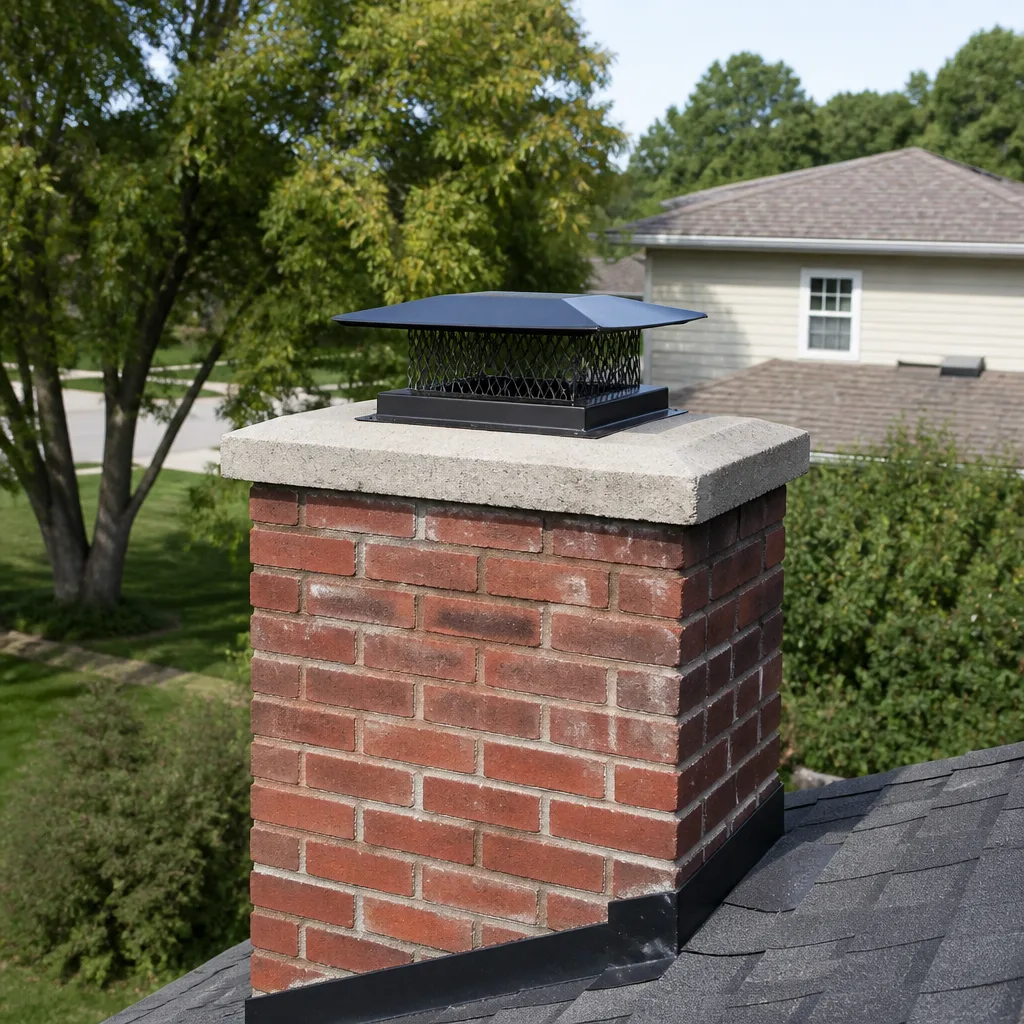 Sweep & inspection
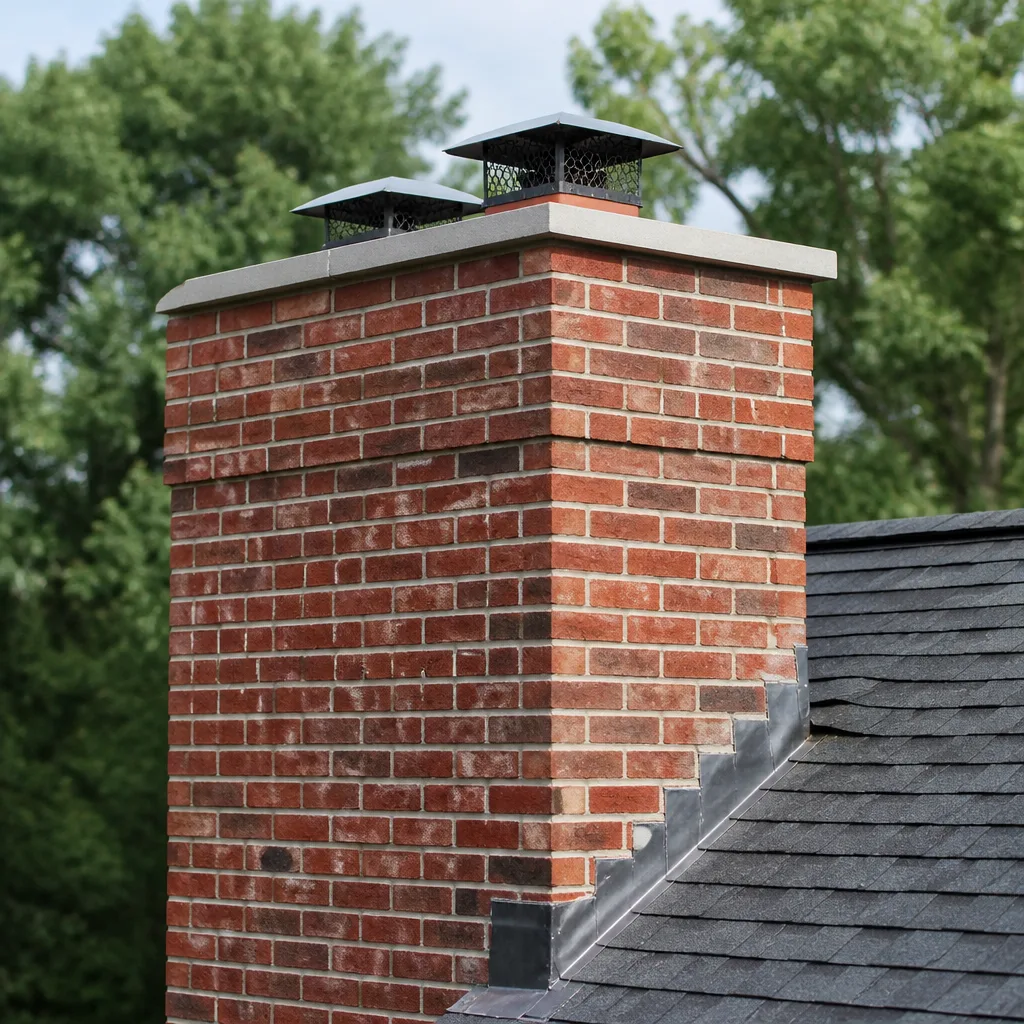 Caps & crowns
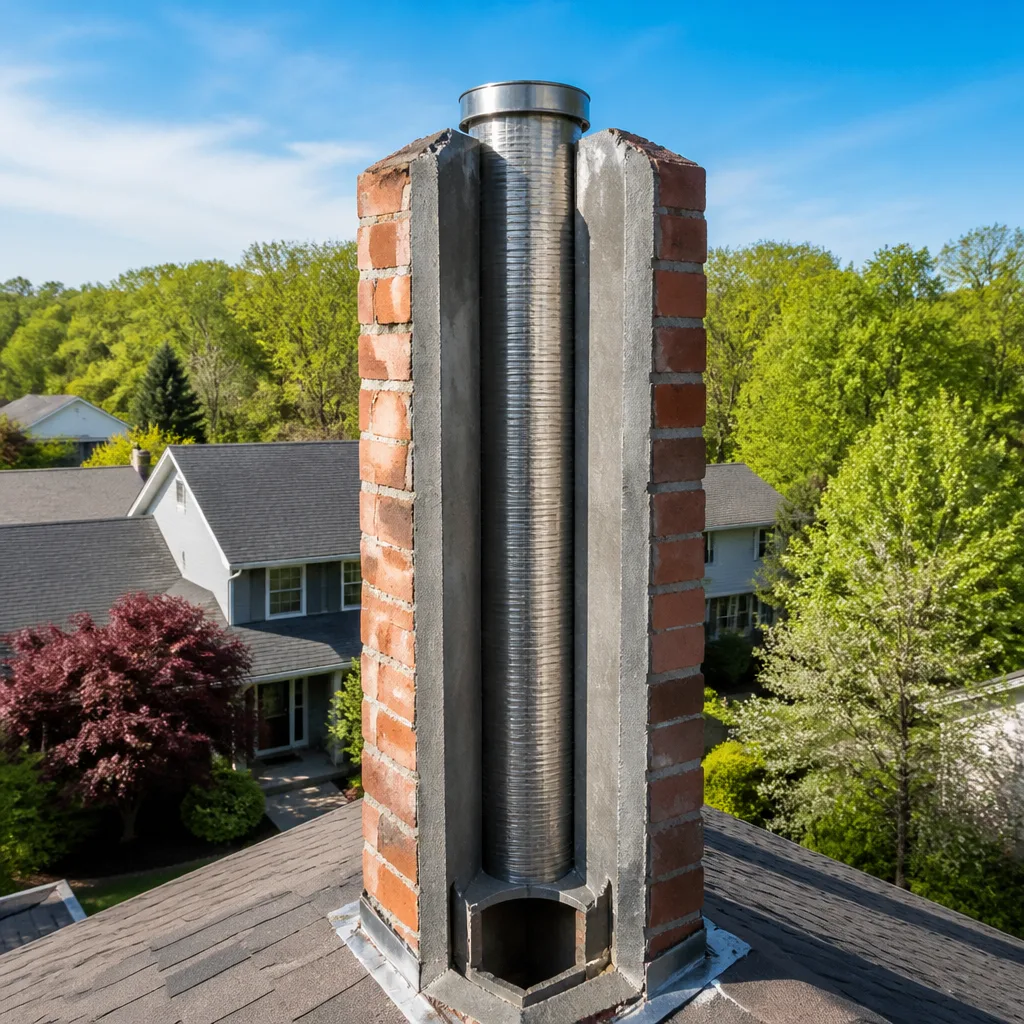 Flue relining
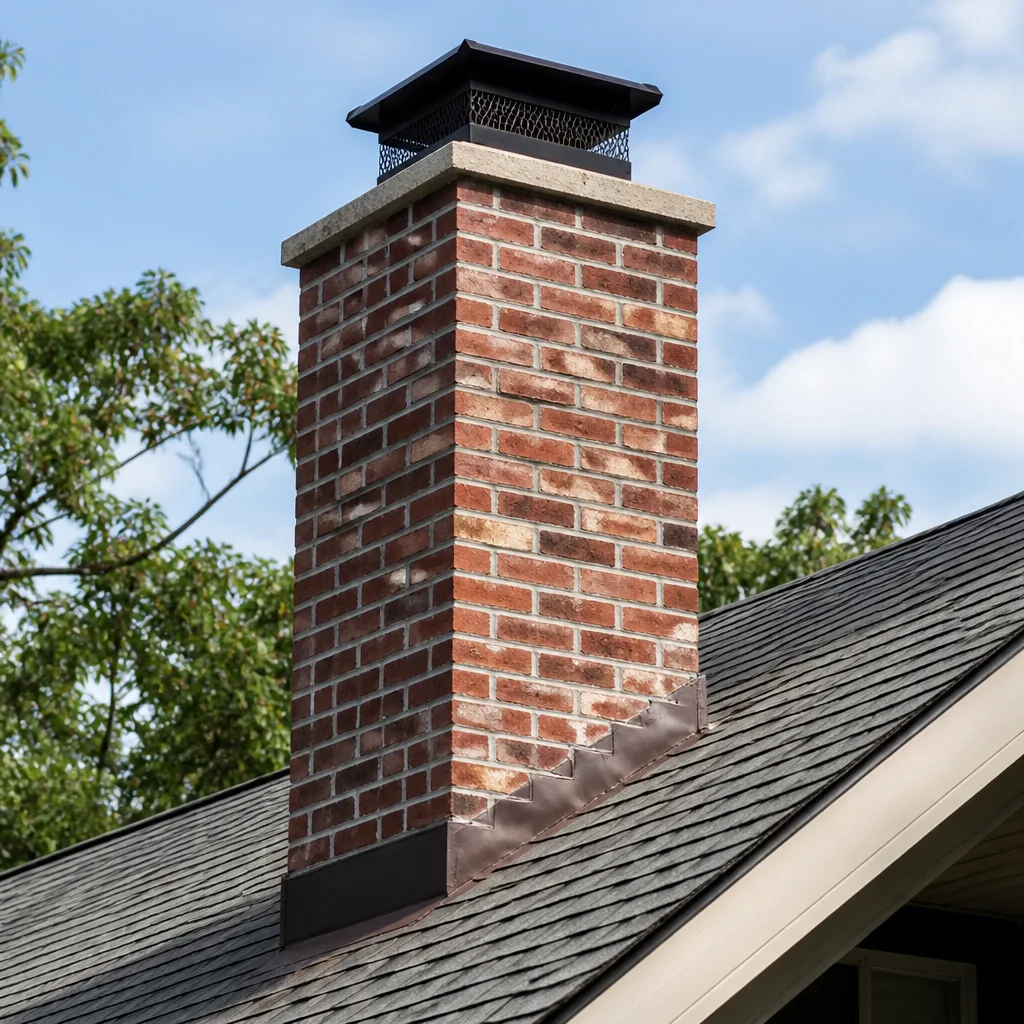 Masonry repair
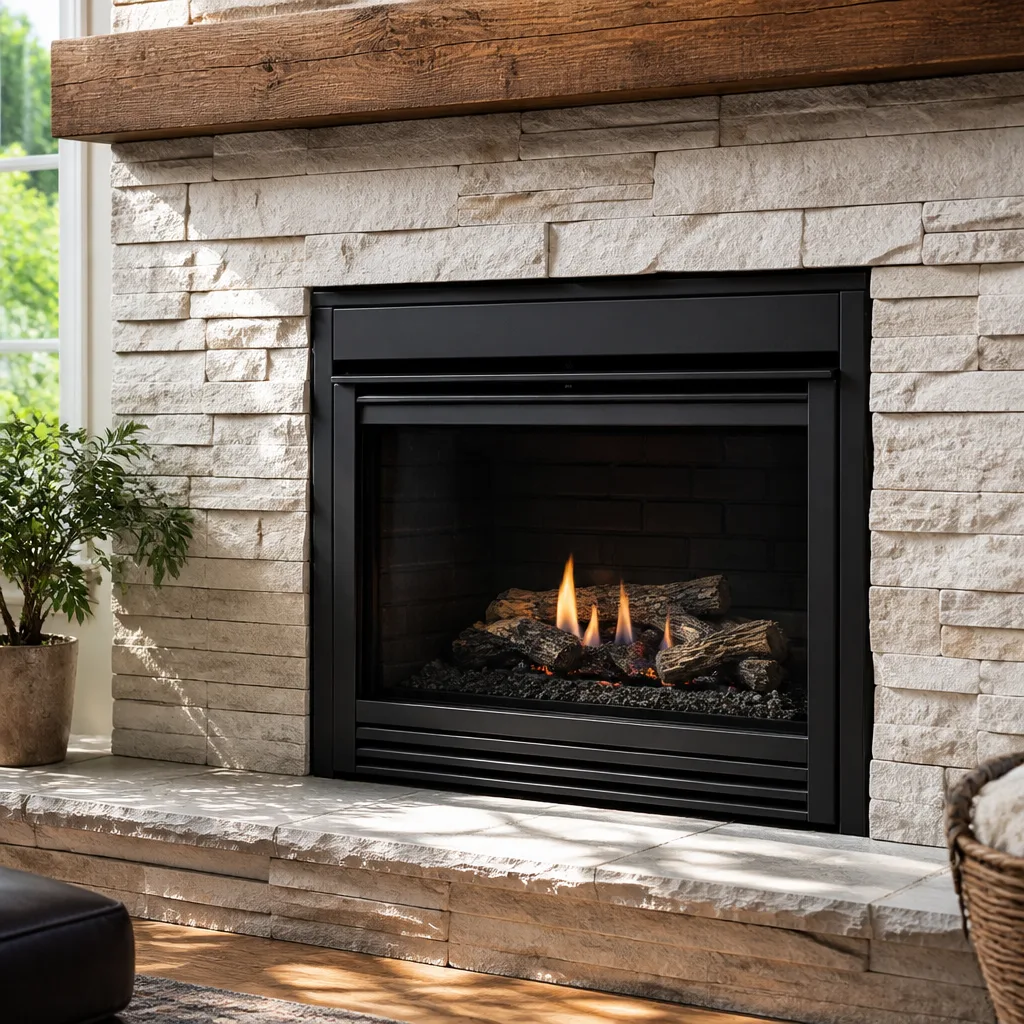 Gas fireplace service
Level 1 sweep and inspection to the NFPA 211 annual standard - flue, crown, cap, and flashing checked and photographed
Chimney sweep logs do not sweep chimneys. They loosen some creosote - which then falls where a brush and vacuum still have to collect it.
Chimney Cleaning Warning Signs: A Washington Square Homeowner’s Reference Guide
Most homeowners wait for a problem they can see before they call anyone. With a chimney, that habit works against you, because the earliest warning signs are usually things you smell, hear, or notice as a faint stain on masonry long before anything inside the firebox looks wrong. By the time a chimney issue becomes obvious from the living room, a routine cleaning has often turned into a repair. This guide decodes the specific signs a Washington Square homeowner should watch for and, more importantly, sorts them by urgency: what means stop using the fireplace, what means book service soon, and what can wait for your next annual visit. We’ll cover odors, stains, draft problems, sounds, and the difference between “overdue for a sweep” and “damaged, don’t light a fire.”
Quick Answer
Chimney cleaning warning signs fall into three groups: things you smell (creosote odor, smoke in a room with no fire), things you see (white or dark staining, cracked masonry, a damaged cap), and things the chimney does poorly (weak draft, smoke spilling back into the room). Odor and smoke spillback mean stop using the fireplace until it’s inspected. Faint exterior staining or a loose cap usually means schedule service soon. A dark, heavy creosote smell with no other symptoms often means cleaning is simply overdue. When in doubt, an inspection settles it, and it’s far cheaper than repairing a damaged flue later.
Styles & brands we work with
- Sweep & inspection
- Caps & crowns
- Flue relining
- Masonry repair
- Gas fireplace service
Table of Contents
- Odor-Based Warning Signs: What Smells Tell You
- Visual Warning Signs Inside and Outside the Chimney
- Efflorescence: What White Staining Reveals About Water
- Performance Signs: Poor Draft and Smoke Spillback
- The Sounds a Chimney Makes, and What Each One Means
- Urgency Triage: Stop, Schedule Soon, or Note It
- How to Tell “Overdue for Cleaning” From “Damaged”
- Common Mistakes to Avoid
Odor-Based Warning Signs: What Smells Tell You
A strong smoke smell in a room where no fire is burning is not a draft problem. It means combustion gases are bypassing your flue and entering your living space, which is a carbon monoxide risk, not an inconvenience. If you smell smoke indoors while the fireplace is cold, stop using it and have the chimney inspected before the next fire.
Odors are the easiest warning signs to dismiss because they come and go with the weather. Here’s how to read them:
- Smoke smell when the fireplace is cold and has been unused for days. This points to a blocked or partially blocked flue, a failed damper seal, or a negative-pressure problem pulling air down the chimney. It deserves a professional look, especially if it’s new.
- A sharp, acrid creosote smell, strongest on warm, humid days. Creosote deposits release odor when the chimney warms up or when outside air is more humid than inside. This is usually the smell of an overdue cleaning, not a structural failure, but it means creosote has built up to the point where it’s noticeable, and that’s the fuel that feeds a chimney fire.
- A damp, musty, earthy smell. That’s moisture, and moisture in a chimney usually traces back to a failed cap or crown letting water in. Left alone, water breaks down masonry and liner joints from the inside.
- A dead-animal smell, often in spring or fall. Birds, squirrels, and raccoons treat an open or uncapped flue as a den. This is common in Washington Square’s mature tree canopy, where wildlife moves along rooflines.
One rule of thumb: an odor that appears only when the fireplace has been used points to creosote or draft. An odor that appears when the fireplace hasn’t been used at all points to a blockage, a cap problem, or pressure. Both are worth a call, but only the cold-fireplace smoke smell is a stop-using-it situation.
Visual Warning Signs Inside and Outside the Chimney
Visual signs are the ones homeowners find on their own, usually while doing yard work or repainting a room. Some are minor; others tell you not to light a fire until someone looks. The trick is knowing which side of the firebox you’re looking at.
Inside the firebox and at the damper:
- Dark staining or soot streaks around the damper frame often mean smoke has been backing up rather than going up. That’s a draft or blockage signal.
- A white, chalky crust on the firebox brick is called efflorescence, and it means moisture is migrating through the masonry. Interior efflorescence is a sign water has already found a path in.
- Crumbling mortar joints between firebox bricks, or bricks that move when you press them, point to heat damage or water damage that needs repair before the next burn.
Outside, at the roofline:
- A missing, cracked, or rusted-out cap. The cap is the chimney’s first line of defense against rain, and it’s also what keeps wildlife out. A deteriorated cap is one of the most common findings we come across, and it’s the leading cause of chimney water damage. Caps and crowns are a dedicated service, and we install trade-grade components from lines like Gelco and Olympia Chimney rather than hardware-store substitutes.
- A cracked or spalling crown, the concrete slab on top of the chimney. Hairline cracks are common; chunks missing or a crown pulling away from the flue tile is not something to defer.
- White staining on exterior masonry, which we cover in its own section below because it deserves more than a bullet.
- Loose or missing mortar in the chimney stack. In Washington Square, where houses sit close together on older lots, a crumbling stack isn’t just your problem; it’s a safety concern for anyone walking below.
Visual signs outside are almost always “schedule soon” material, with two exceptions: an uncapped chimney that’s been that way through a rainy season, and any visible gap between the crown and the flue. Those get a look before the next fire.
Efflorescence: What White Staining Reveals About Water
Efflorescence is the white, salt-like staining that appears on exterior masonry, and it tells you water is moving through the chimney structure. Salts dissolved in that water get carried to the surface, where they dry and crystallize. The crucial point for a homeowner: efflorescence shows up on the outside long before damage is visible on the inside, so it’s a warning you get early if you know to look for it.
Here’s how the sequence usually plays out:
- Water enters somewhere above, most often through a failed cap, a cracked crown, or open mortar joints in the stack.
- The masonry absorbs it. On the surface, white salt deposits appear as the wall dries.
- Inside, the same moisture softens mortar and, in cold months, expands when temperatures dip low enough, widening cracks that started small.
- Eventually the liner, the firebox, or the interior flue tile shows damage, and now you’re looking at a repair, not a cleaning.
That’s why we treat white staining as a “schedule soon” sign, not a cosmetic issue. It’s usually the cheapest moment to address water intrusion, because the fix is often a cap and crown replacement or repointing rather than a partial rebuild. The trade-grade caps we work with are designed to shed water away from the flue rather than letting it pool at the top, and getting one properly fitted ends the cycle before it reaches the liner.
One distinction worth making: efflorescence is white and powdery, and it washes off with water. A grayish, fuzzy growth is mold or mildew, which points to a different problem (often a leak or persistent dampness in the chase). If you’re not sure which you’re looking at, an inspection settles it quickly and cheaply.
Performance Signs: Poor Draft and Smoke Spillback
Your chimney performs a simple job: pull smoke and combustion gases up and out. When it stops doing that, you get signs that are easy to feel and hard to miss. Smoke spillback, where smoke rolls out of the firebox into the room when you light a fire or add wood, is the most serious performance warning. It means the chimney isn’t drafting properly, and the gases it should be carrying away are coming into your living space instead.
Performance signs to watch for:
- Smoke spillback when lighting or reloading. A little smoke at startup is normal in some fireplaces; consistent spillback is not. Stop using the fireplace and have it inspected.
- A fire that’s hard to keep going or burns sluggishly. Weak draft can starve a fire of air, and it often traces to a blockage, a damaged flue tile, or a chimney that’s too short for the house.
- Smoke smell lingering long after the fire is out. If the smell comes back as the house cools, you’re likely smelling combustion gases that didn’t fully clear the flue.
- Other appliances acting up when the fireplace is lit. In Washington Square’s older homes, a fireplace and a furnace or water heater can compete for the same air. If the water heater’s draft hood starts spilling when the fireplace is burning, that’s a carbon monoxide warning and needs professional attention immediately.
Poor draft has many causes, and the fix depends entirely on which one you’re dealing with. A trained technician can tell the difference with a camera inspection and a draft test. Our technicians have up to 9 years of experience diagnosing exactly this kind of problem, and we always show you what we found on camera before recommending anything.
The Sounds a Chimney Makes, and What Each One Means
A chimney isn’t silent, but the sounds it makes should be predictable: the rush of air up the flue, the crackle of a fire, the tick of the damper. When you hear something outside that pattern, the source matters, because the response for an animal in the flue is different from the response to settling masonry.
Scratching, rustling, or chirping, especially at dawn or dusk. That’s animal intrusion. Birds, squirrels, and raccoons get in through an open or damaged cap, and the sound often travels down the flue. Don’t light a fire while you suspect an animal is inside. Instead, have the chimney inspected so the animal can be safely removed and the entry point closed off. A properly fitted cap from a trade supplier ends the problem for good.
Rattling or scraping when the wind blows. Loose flue tiles or a damaged damper can rattle in a draft. This is a “schedule soon” sound, but if you also notice pieces of tile or mortar in the firebox, treat it as “stop using.”
A hollow, echoing sound with a whistle or roar on windy days. That’s often a draft problem, and it’s worth investigating because it can push smoke back into the room when you use the fireplace.
Ticking or grinding from the firebox area. In a gas fireplace, this can be a valve or burner issue. That’s a fireplace repair question, not a sweeping one, and it’s best handled by someone who works on both the chimney and the fireplace itself, so you’re not sent to a second contractor.
Settling sounds: a sharp crack or pop, followed by persistent creaking. These are uncommon, and they usually point to masonry movement. If you hear it and can also see a crack widening, stop using the fireplace and call for an inspection.
In our experience, animal noise is the most common of these in Washington Square, largely because an open flue is an easy den for local wildlife. The fix is almost always a cap, and the sooner it’s addressed, the less likely an animal has left debris in the flue that needs clearing before the next burn.
Urgency Triage: Stop, Schedule Soon, or Note It
This is the section to bookmark. Every warning sign in this guide sorts into one of three buckets, and knowing which bucket you’re in saves you a lot of worry (or a lot of risk, depending on the answer).
Stop using the fireplace immediately – call for an inspection:
- Smoke smell in a room where no fire is burning.
- Smoke spillback into the room when the fireplace is lit.
- Visible cracks in the firebox brick or crumbling mortar that lets you see through.
- Pieces of flue tile or mortar in the firebox.
- A carbon monoxide alarm that goes off while the fireplace is in use. Get everyone outside and call for help first.
- Any suspicion of an animal in the flue.
- A visible gap between the crown and the flue tile.
Schedule service soon – within a few weeks, before the next heating season:
- White efflorescence staining on exterior masonry.
- A missing, cracked, or rusted chimney cap.
- Hairline cracks in the crown.
- Loose mortar joints in the chimney stack.
- Persistent creosote odor on warm days.
- A fire that’s consistently hard to start or keep going.
Note it for your next annual service:
- A faint smoke smell that clears within minutes of a fire going out.
- A small amount of creosote visible on the flue walls near the top (if you’re checking with a flashlight).
- Slight draftiness on windy days without smoke spillback.
- A cap that’s intact but past its prime, with some surface rust starting.
The triage logic is simple: anything involving gases coming back into the house or structural movement is a stop. Anything involving water infiltration or a cap is a schedule soon, because water damage compounds faster than most homeowners expect. Everything else can wait for the annual visit, which is where small things get caught before they become expensive.
How to Tell “Overdue for Cleaning” From “Damaged”
The distinction matters because one calls for a chimney sweep and the other calls for repair, and confusing them wastes time or, worse, risks a fire in a damaged flue. Here’s how to tell them apart without guessing.
Signs that point to cleaning:
- The fireplace works, but creosote odor is noticeable on warm days.
- You’ve had a fire going regularly and it’s been a while since the last sweep.
- The fire draws reasonably well; any smoke at startup clears quickly.
- A visual check of the flue (flashlight from the damper) shows soot or creosote buildup but no obvious damage.
Signs that point to damage:
- Smoke spillback that happens consistently, not just at startup.
- Visible cracks, crumbling mortar, or loose tiles inside the firebox.
- White staining on the exterior, or water stains on the ceiling near the chimney chase.
- A carbon monoxide alarm triggered by fireplace use.
- A cap that’s been missing or damaged through a rainy season, exposing the flue to water.
When you can’t tell, the answer is an inspection, not another fire. Our inspections use a camera and a photo report so you can see what we see, which matters, because the biggest hesitation homeowners have is being told they need thousands of dollars of liner or masonry work they have no way to verify. If your chimney can safely go a while longer before repair, we say so, and we’re specific about what can wait. If it can’t, the camera footage and a written report back up the recommendation. That’s the difference between a sweep-only service and an inspection that identifies structural and safety issues beyond surface-level cleaning.
We’re a full-service chimney company for a reason. Sweeping, inspection, repair, cap and crown work, and fireplace repair are all handled by one company, so when an inspection turns up something that needs follow-up, there’s no handoff to a second contractor. From inspection to repair, one company, one schedule.
Common Mistakes to Avoid
- Treating a cold-fireplace smoke smell as a draft problem. It’s usually a sign of gas bypassing the flue, and it’s a carbon monoxide risk. Don’t test it by lighting a fire; call for an inspection and leave the fireplace off until someone has looked.
- Fixing a cap with a hardware-store part. A cheap cap can fit poorly, trap water, or blow off in the first strong wind. Trade-grade caps are made for the job, and we source ours from established names like Gelco and Olympia Chimney.
- Ignoring white staining on the exterior because it “washes off.” It does wash off, and it comes back, because the water causing it is still there. Efflorescence is a warning that water is entering, not a cosmetic nuisance.
- Assuming an annual sweep is the same as an inspection. A sweep removes soot and creosote. An inspection finds structural problems, liner damage, and cap issues. In Washington Square, where older construction means many chimneys have liners that are due for attention, the inspection is the part that catches trouble early.
- Hiring a sweep-only service for a sign of damage. If you have smoke spillback, visible cracks, or water intrusion, you need someone who can also repair. A one-visit sweep-and-go leaves the actual problem in place.
- Chalking poor draft up to weather. Weak draft can come from a blockage, a damaged flue tile, or a flue that’s too short. It’s diagnosable, and letting it persist means you’re burning wood while combustion gases don’t fully clear.
- Waiting until the first cold night to book. In Washington Square, the weeks before the heating season fill up fast, and a sign that a cleaning is due is best handled before you need the fireplace, not on the first evening you reach for the firewood.
One more, and it’s the subtle one: assuming that because the chimney looks fine from the curb, it’s fine inside. The most common sign we find is something the homeowner can’t see from ground level, which is why an annual inspection matters as much as the sweep itself.
When to Call a Professional
Call a professional if you have any of the stop-using signs in this guide – smoke indoors from a cold fireplace, smoke spillback, a firebox that shows movement or cracks you can see through, an animal suspected in the flue, or a carbon monoxide alarm tied to fireplace use. Call as well if you’ve got water staining on the exterior or ceiling, a missing or damaged cap, or draft problems you can’t resolve. Those are the signs that turn into structural repairs if left. Routine annual service is also worth a call, because catching the small stuff is the whole point of the guide. Chimney Sweep Washington Square offers free estimates in Washington Square. We work with chimney cap & crown as a dedicated service and repair flues with DuraFlex liner systems and HeatShield ceramic resurfacing when the diagnosis calls for it. Call (833) 513-8794. We answer 24/7. Fast dispatch from 7am to 7pm, Sunday through Friday.
See the difference
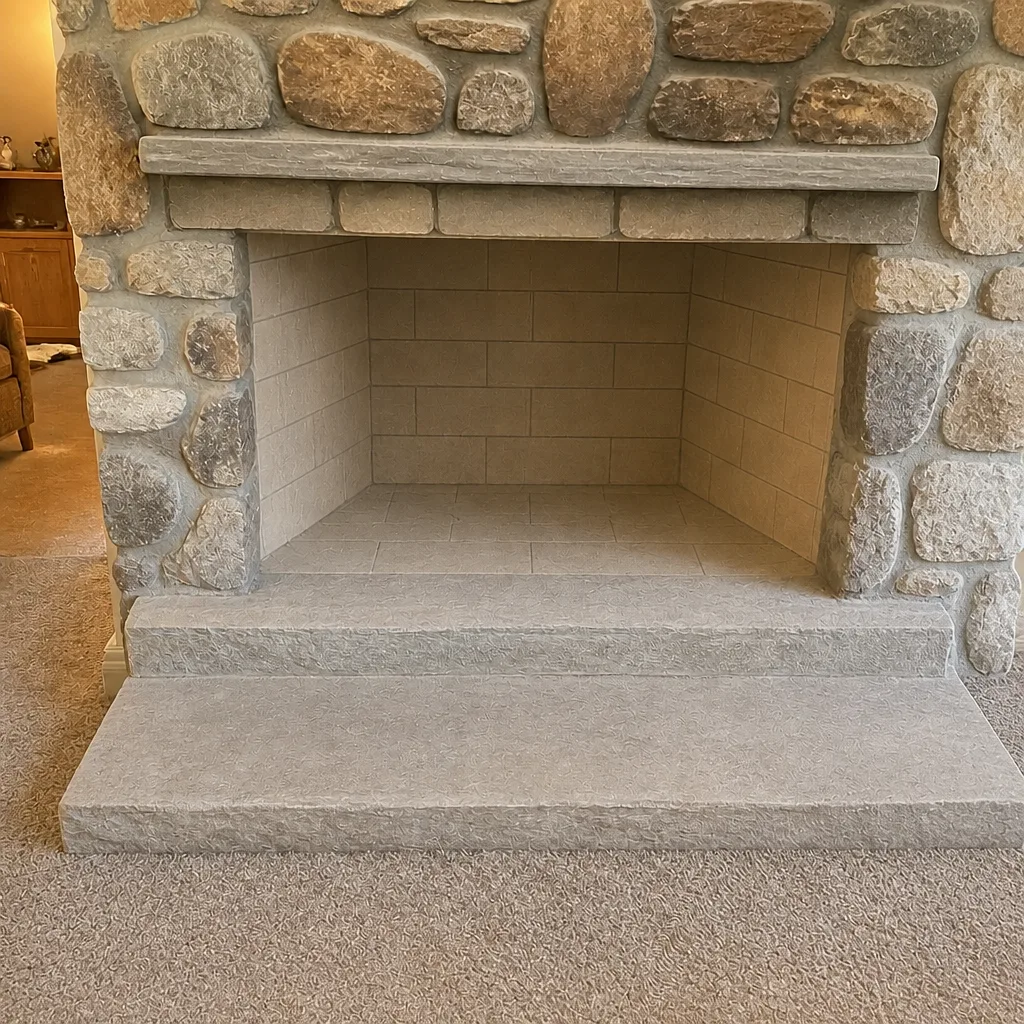
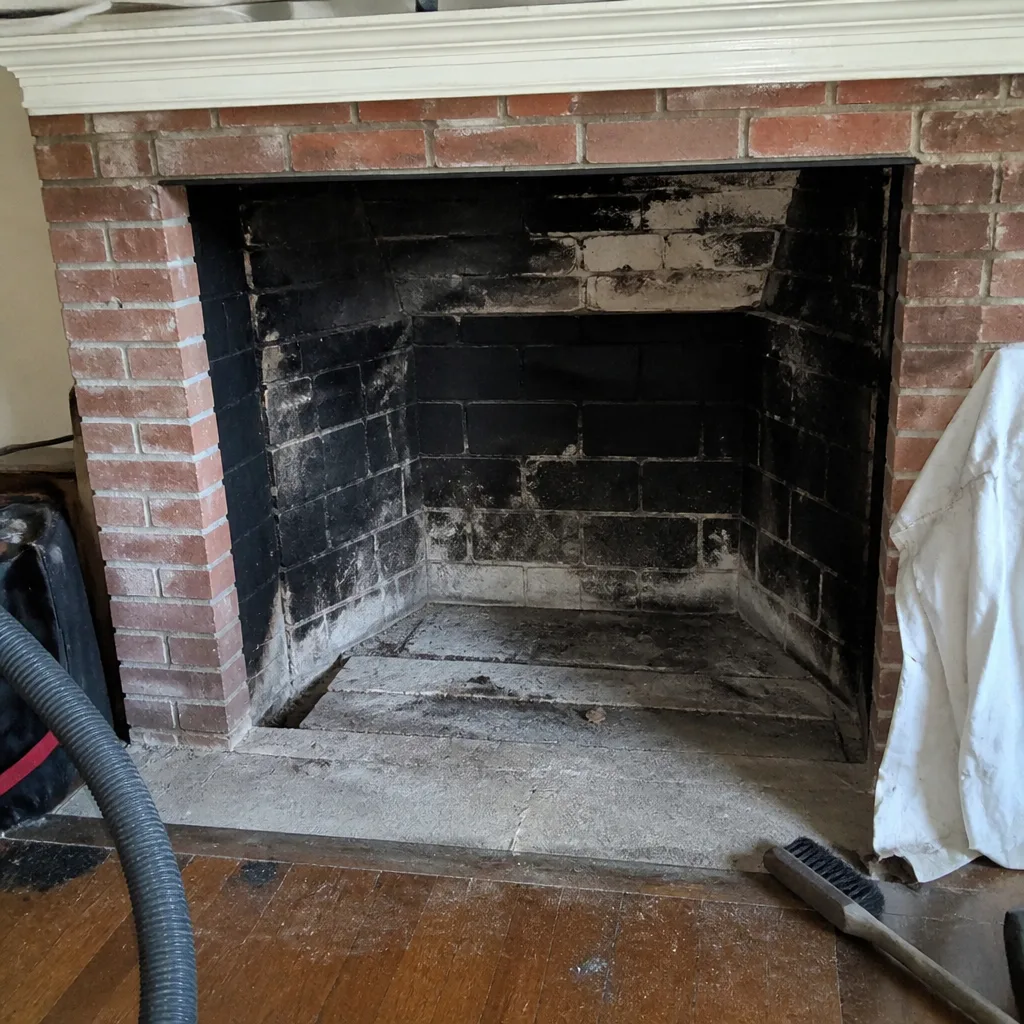 Before
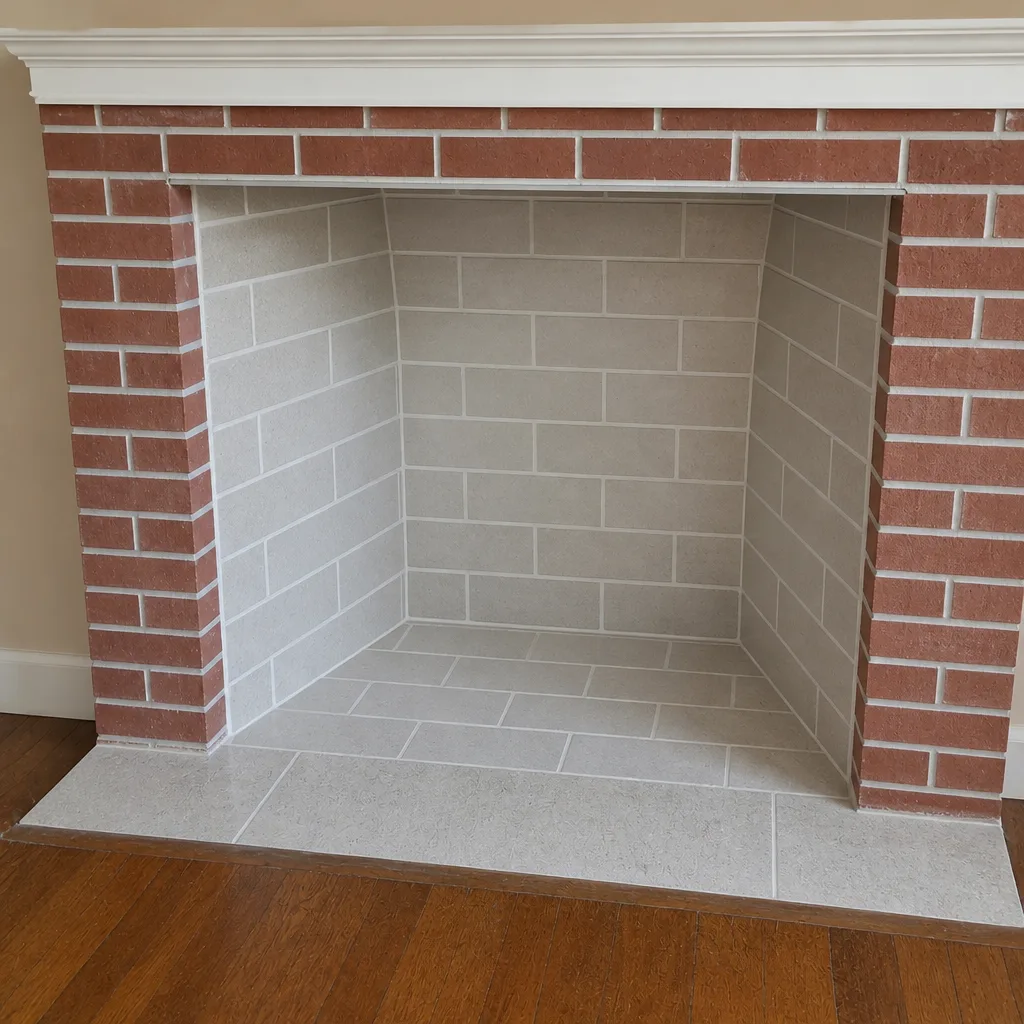 After
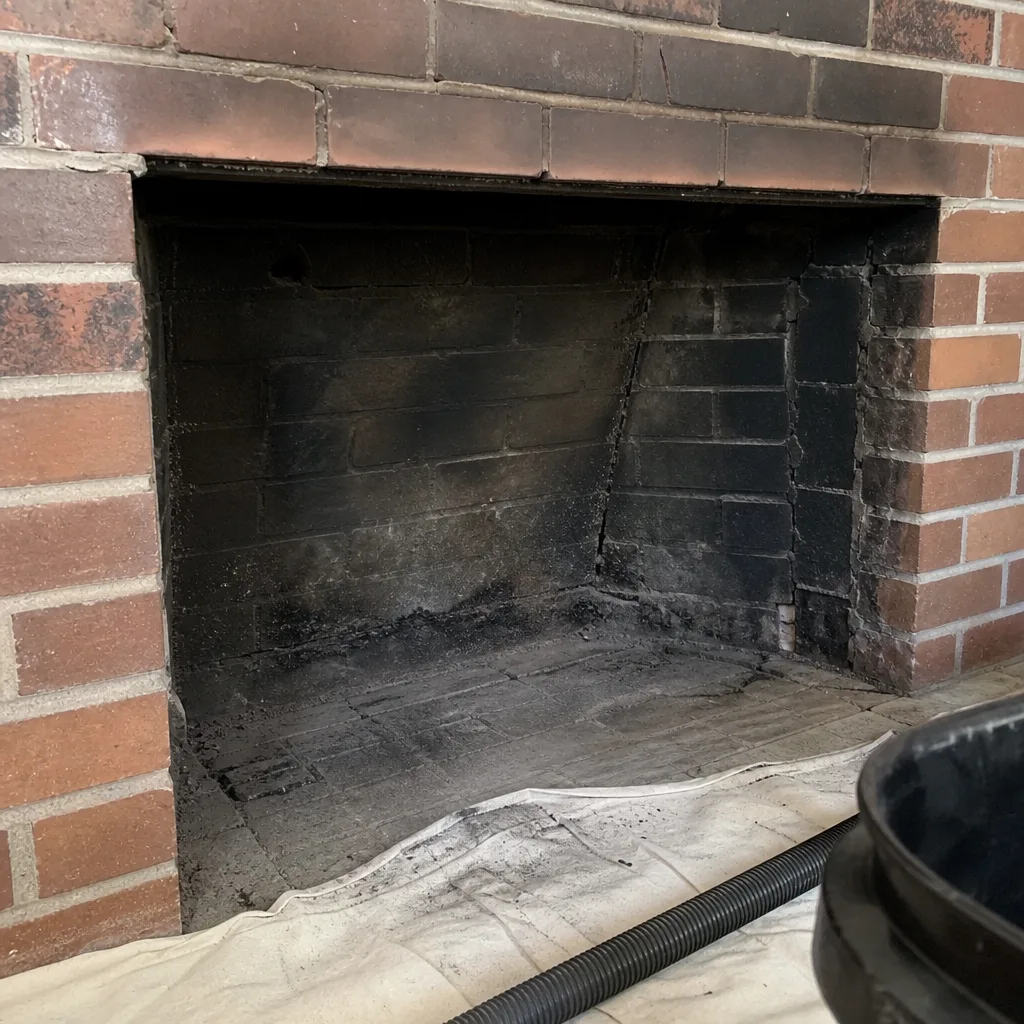
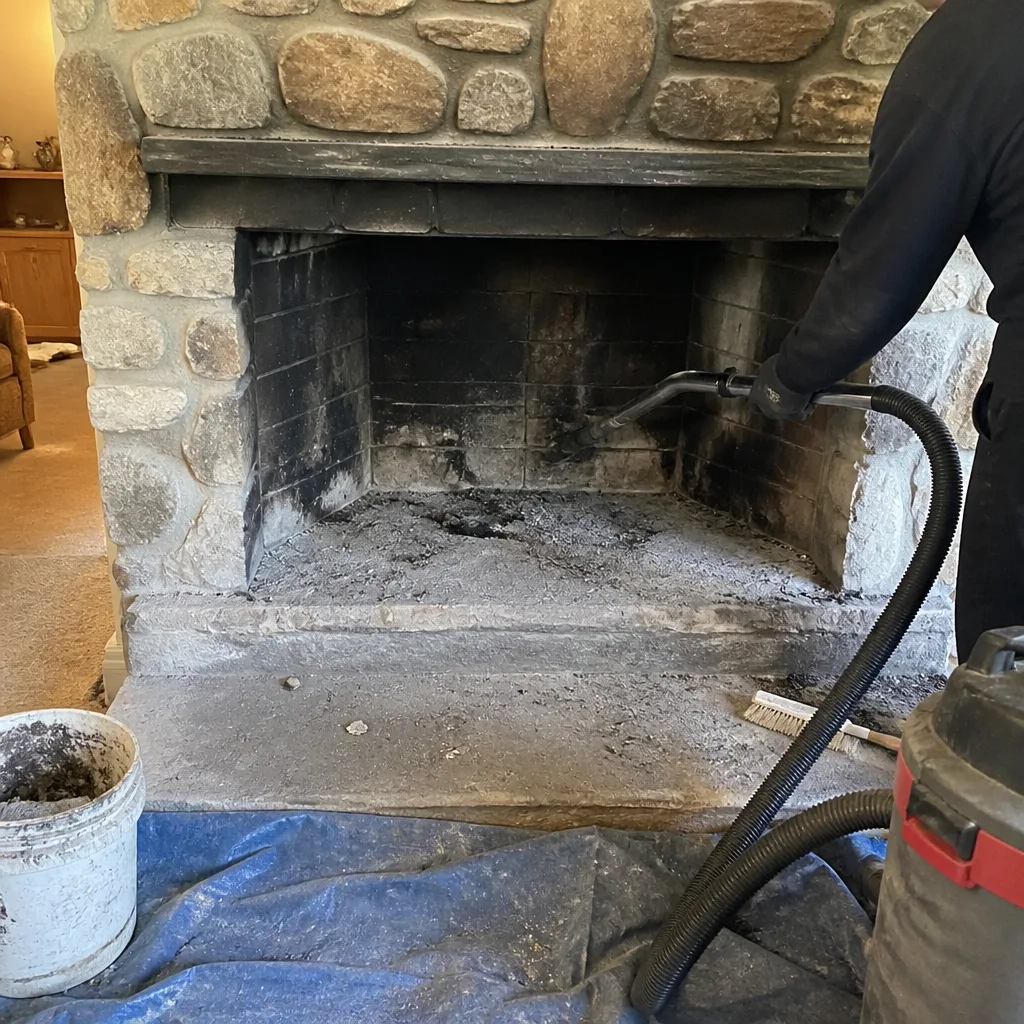 Before
 After
 Before
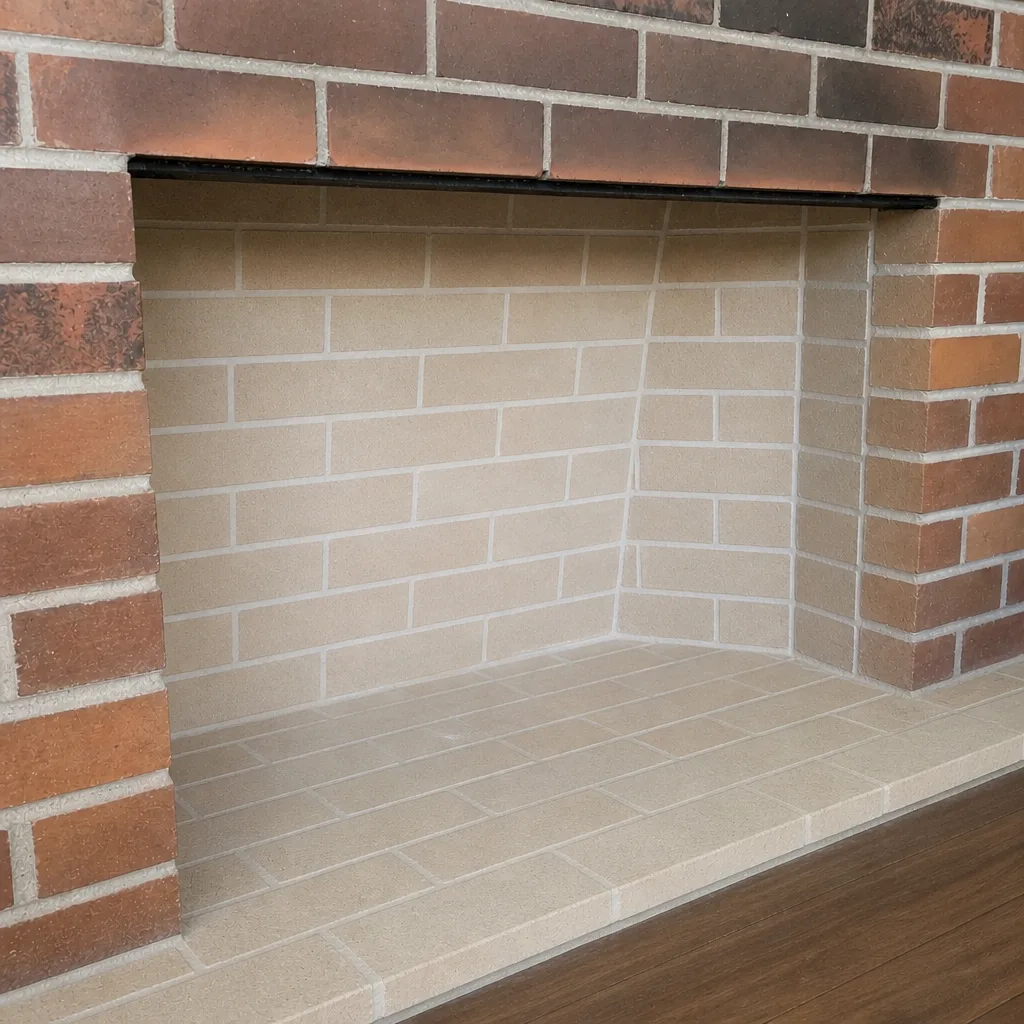 After
Frequently Asked Questions
Smoke smell in a room with no fire burning, smoke spilling back into the room when the fireplace is lit, and a carbon monoxide alarm tied to fireplace use are the most serious. They mean combustion gases are entering your living space, so stop using the fireplace and have it inspected. Call (833) 513-8794 for a free estimate.
Most wood-burning chimneys should be swept once a year, and more often if you burn frequently or notice creosote odor on warm days. An annual inspection accompanies the sweep so structural problems get caught early. If it’s been more than a year, it’s time to book a Chimney Sweep Washington Square visit and we’ll confirm what’s due. Call (833) 513-8794.
No. White staining, called efflorescence, means water is moving through the masonry, not that creosote has built up. It usually points to a failed cap, a cracked crown, or open mortar joints, and it’s a sign to schedule a repair inspection rather than a sweep. Call (833) 513-8794 for a free estimate.
You need a new liner only if the camera inspection shows your existing liner is damaged, cracked, or deteriorated, and you should be shown the footage before anything is booked. A reputable service, ours included, will tell you plainly when a repair can safely wait. We apply HeatShield ceramic resurfacing or install DuraFlex liners only when the evidence supports it. Call (833) 513-8794 with questions.
Creosote builds up inside the flue, and a thick enough deposit is what feeds a chimney fire. The other risk is that a structural problem, like a cracked liner or a failing cap, goes unnoticed until it turns into a much larger repair. Neither is something to gamble on. Call (833) 513-8794 to book a sweep and inspection.
You shouldn’t, if the cap has been missing through a rainy season. Water can enter the flue and the firebox, and wildlife can get in through the open top. Both problems are cheap to fix early and expensive to fix late, so book a cap and crown visit before the next fire. Call (833) 513-8794.
Most cap and crown jobs are priced per job by a written estimate, and the estimate is free. The final number depends on the chimney’s size, the existing cap and crown condition, and whether any masonry repair is needed at the same time. Call (833) 513-8794 for an exact quote.
The Bottom Line
Chimney warning signs break down cleanly: things you smell, things you see, and things the chimney does poorly. Smoke indoors from a cold fireplace and smoke spillback mean stop using it now. White efflorescence, a failing cap, or a cracked crown means schedule service soon, because water damage gets more expensive every season. A creosote odor with a chimney that otherwise works means a cleaning is overdue, which is the easiest problem on the list. When you’re not sure, an inspection with a camera and photo report settles it, and it’s the difference between a $200 maintenance visit and a structural repair. Our technicians have up to 9 years of experience, and we fit the full system, from fireplace repair to liner work, so nothing gets handed off.
Contact Us
If any sign in this guide sounds familiar, the next step is a free estimate, and we can tell you clearly which category you’re in. Call Chimney Sweep Washington Square at (833) 513-8794. We answer 24/7. Fast dispatch from 7am to 7pm, Sunday through Friday. Nothing is recommended without camera evidence you can see for yourself, and the written estimate sets the final price before any work begins.
Written by the team at Chimney Sweep Washington Square.