
Last updated November 23, 2026
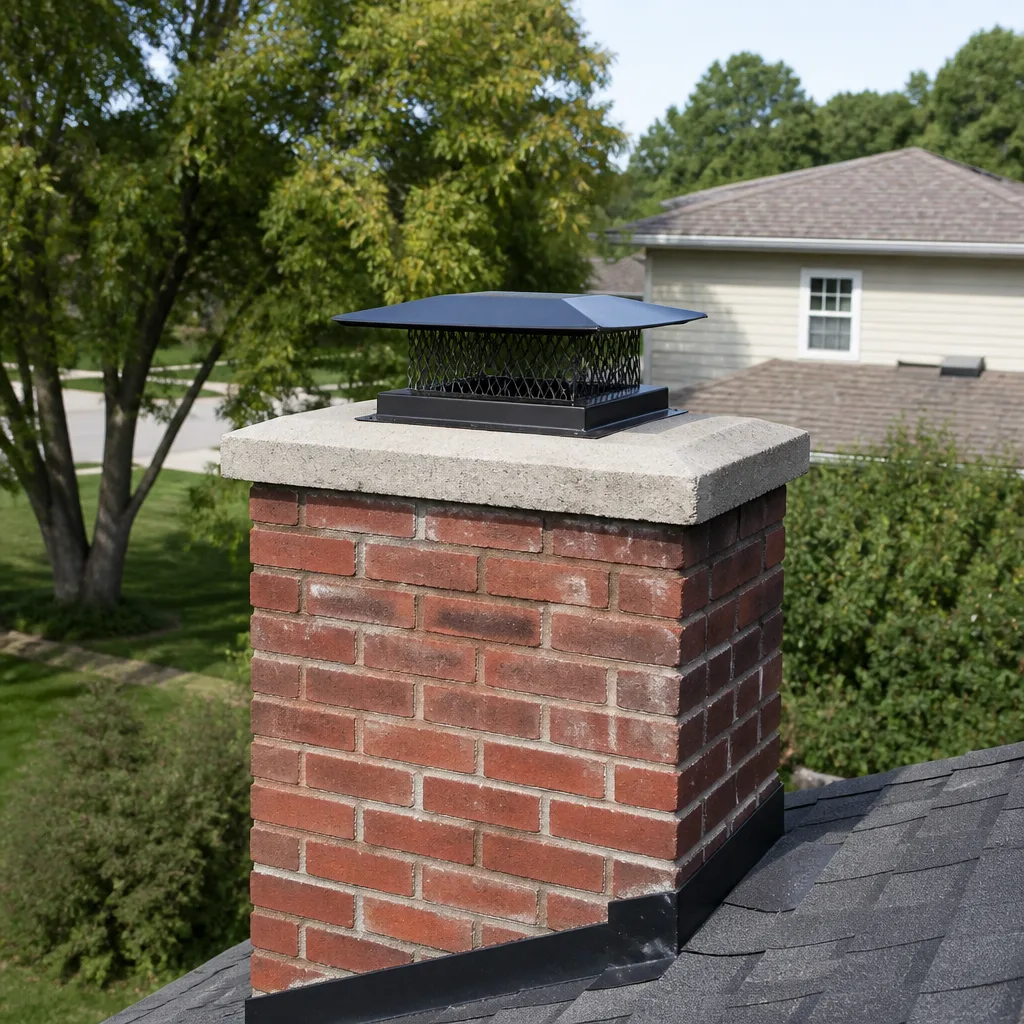 Sweep & inspection
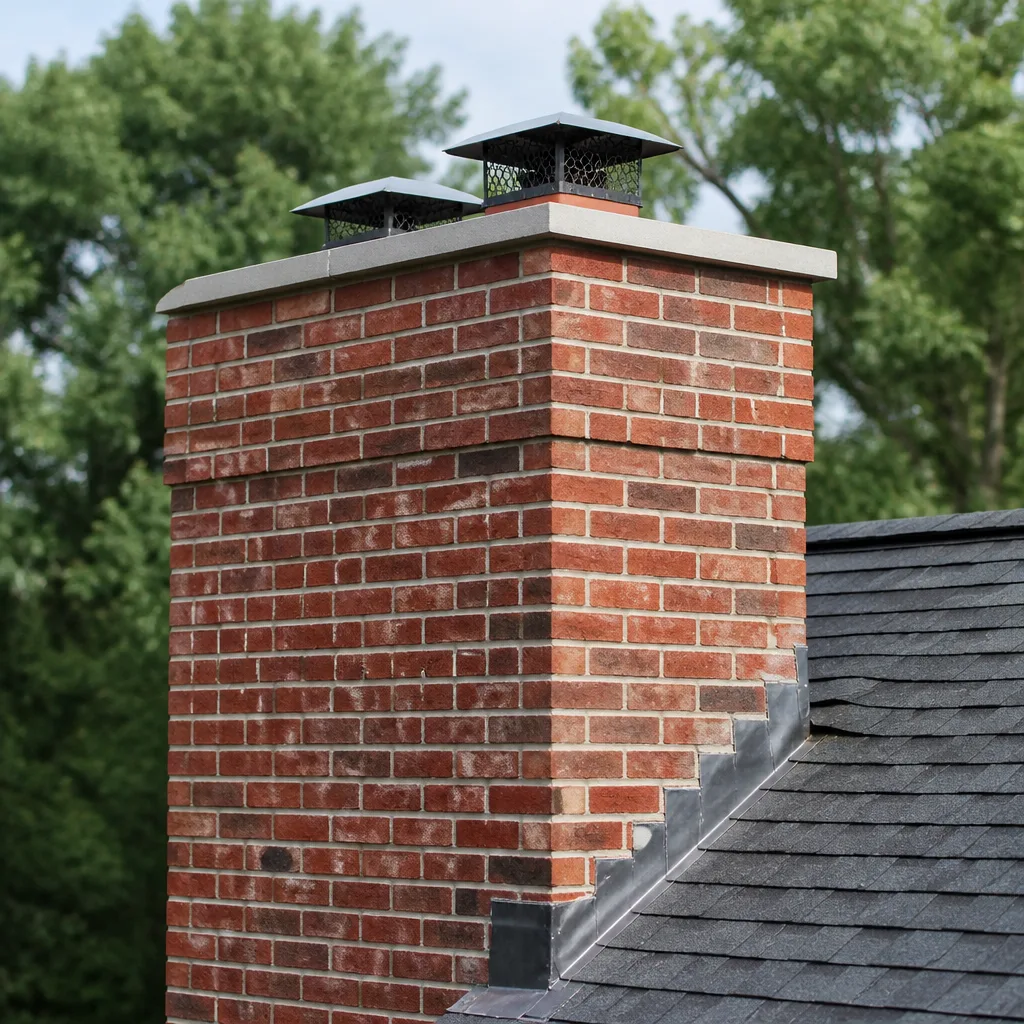 Caps & crowns
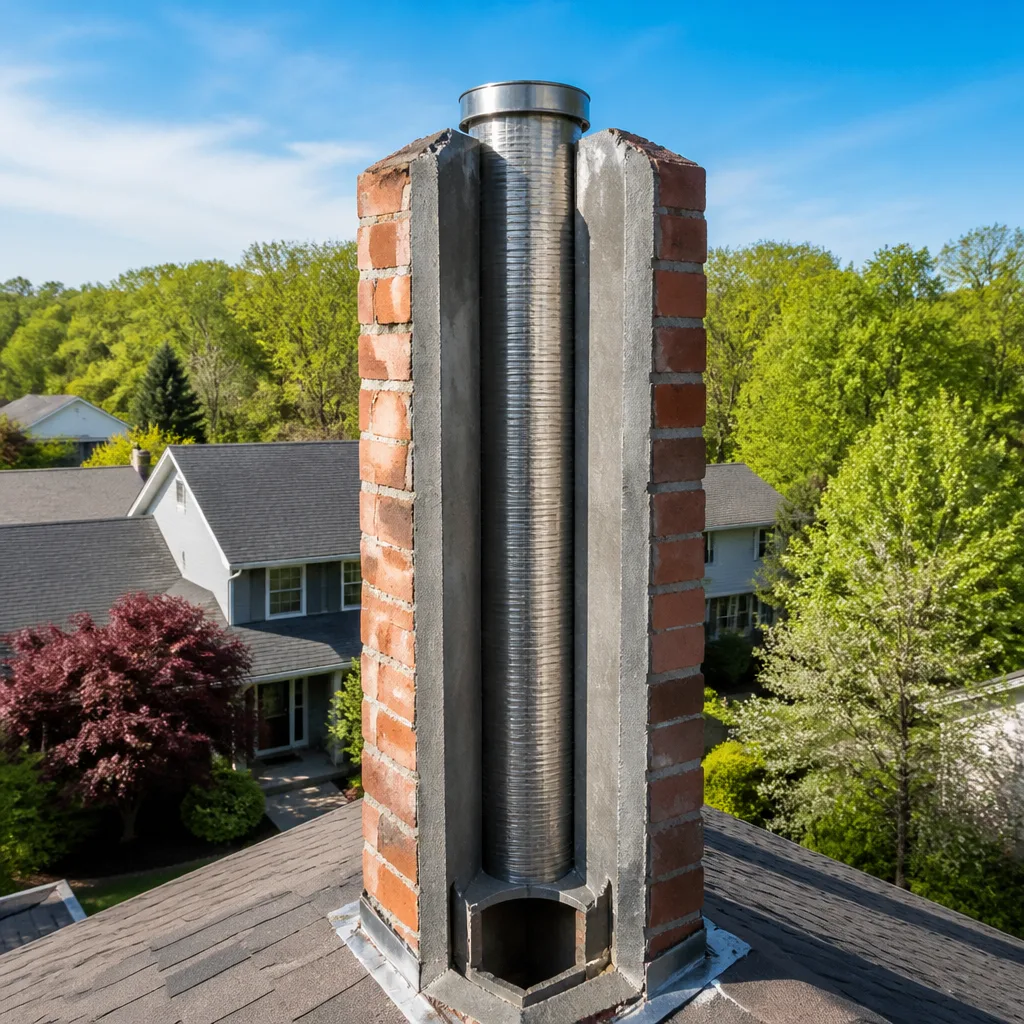 Flue relining
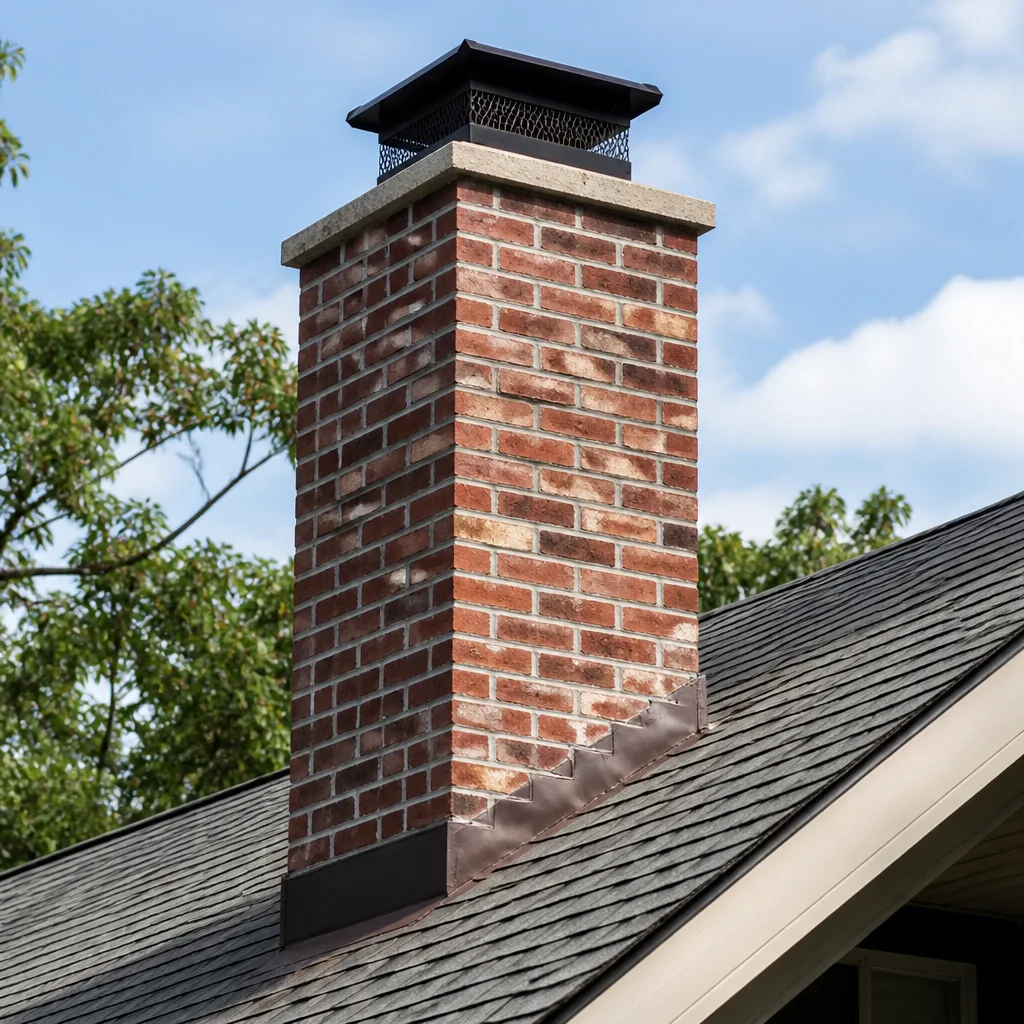 Masonry repair
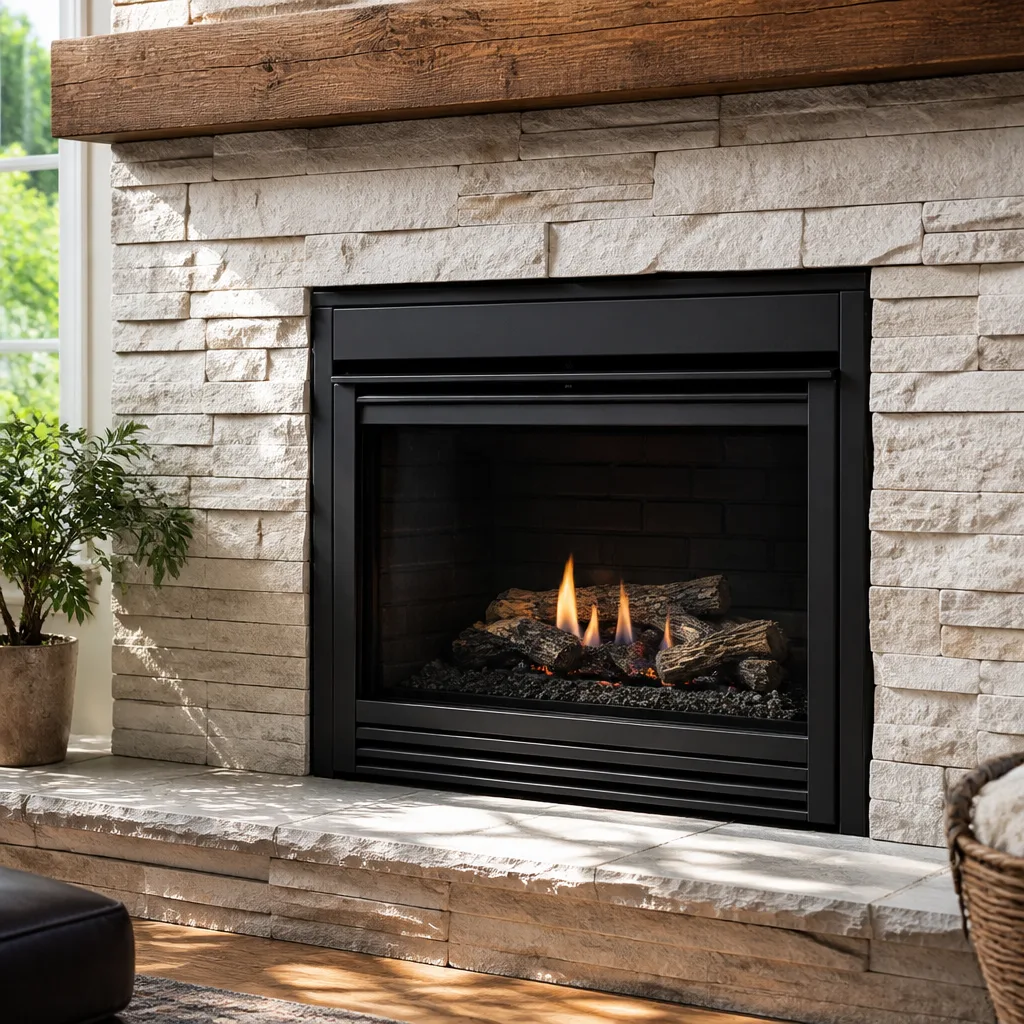 Gas fireplace service
Level 1 sweep and inspection to the NFPA 211 annual standard - flue, crown, cap, and flashing checked and photographed
Chimney sweep logs do not sweep chimneys. They loosen some creosote - which then falls where a brush and vacuum still have to collect it.
Chimney Cleaning Emergency Preparedness Guide for Washington Square Homes
A chimney fire rarely looks like fire. It sounds like a low roar, a rumble, or a jet engine running inside the walls, and by the time most homeowners recognize the sound they’ve already lost the first two minutes that decide whether the fire stays in the flue or reaches the framing. That gap between hearing the sound and knowing what to do is where this guide lives. We’re going to walk through chimney emergency preparedness for Washington Square homes as practical household planning: what to keep on hand, what to do in the first five minutes, how to use a chimney fire suppressor correctly, and what has to happen before you light the next fire. This isn’t abstract safety advice. It’s a plan you can build this week.
Quick Answer
Chimney emergency preparedness means having three things ready before a fire starts: a clear response plan for the first five minutes (call 911, close the damper and air supply, evacuate, don’t fight a chimney fire from above), working smoke and carbon monoxide detectors on every level, and a pre-season sweep and inspection so the flue is clean and structurally sound. In Washington Square, where mild winters mean fires are burned intermittently and often with wood that hasn’t fully seasoned, the biggest risk is a slow buildup of creosote that goes unnoticed because the fire is small and infrequent.
Styles & brands we work with
- Sweep & inspection
- Caps & crowns
- Flue relining
- Masonry repair
- Gas fireplace service
Table of Contents
- How Chimney Fires Actually Start in Washington Square Homes
- The First Five Minutes: A Step-by-Step Chimney Fire Response Protocol
- Chimney Fire Suppressors: What They Are and How to Use Them
- Carbon Monoxide Preparedness for Chimney Systems
- Pre-Season Emergency Preparation: What to Have Ready
- After a Chimney Fire: The Inspection Sequence Before You Light Again
- Sudden Structural Failures: Cracks, Spalling, and Collapsed Liners
- When to Call a Professional
How Chimney Fires Actually Start in Washington Square Homes
Chimney fires don’t arrive out of nowhere. They start with creosote, the tar-like residue that condenses on the inside of the flue as smoke cools on its way up. When enough of it builds, a stray ember or a hot fire can ignite it, and the whole flue can light like a torch. What surprises homeowners is the timeline. A single season of intermittent burning can lay down a glaze of creosote thick enough to fuel a serious chimney fire, especially when the wood is damp or the fire is regularly choked down to stretch the fuel.
In Washington Square, the mild climate actually works against homeowners in a specific way. Because winters are gentle, fires are often burned only on the chilliest nights, in short sessions, with the damper partly closed to slow the burn. That pattern is a creosote factory: cooler flue temperatures let smoke condense instead of venting cleanly. A fire that runs hot and continuous burns off residue; a fire that smolders and idles deposits it.
There’s also the wood question. Homeowners who buy in small batches or split green wood early in the season often burn it before it’s ready, and the moisture that boils out of unseasoned wood cools the flue and adds deposit. We can’t tell you which batch of wood is dry without seeing it, but a moisture meter costs less than a bag of kindling and settles the question in seconds.
The practical takeaway: in Washington Square, low fire volume doesn’t mean low risk. A lightly used fireplace can carry as much creosote as a heavily used one, and sometimes more. That’s why an annual chimney sweep isn’t a luxury for people who burn every night. It’s the baseline check for the homeowner who lights a fire fifteen times a year.
The First Five Minutes: A Step-by-Step Chimney Fire Response Protocol
The first five minutes of a chimney fire are the only minutes that matter. If the fire stays inside the flue, it can usually be contained; if it reaches the attic framing or the roof structure, the equation changes entirely. So the plan has to be simple enough to follow under stress, before you’re thinking clearly. Here’s the sequence we recommend every Washington Square household memorize.
- Call 911 first, even if you’re not sure. The sound alone (a roar, a hissing, a deep rumble) is enough. You can always call off the response if it turns out to be nothing. You can’t make up the minutes spent deciding.
- Get everyone out of the house. Move people and pets to a meeting spot outside, on the driveway or sidewalk, and account for everyone. Do not stop to gather belongings.
- Close the damper and all air controls if you can do so safely on your way out. Starving the fire of oxygen helps limit how hot it burns. If the firebox is too hot to approach, skip this step; the fire department will handle it.
- Don’t attempt to spray water down the flue from the roof. Climbing onto a roof during an active chimney fire is one of the most dangerous things a homeowner can do, and a sudden steam expansion can crack or shatter a hot flue liner.
- Watch the roof and chimney from the ground. Look for sparks, flames, or heavy smoke coming from the top of the chimney or the roofline. Report what you see to the fire department when they arrive.
- Stay out until the fire department clears the structure. A chimney fire can smolder in concealed spaces for hours. The fire department decides when the house is safe to re-enter, not you.
That’s the whole protocol. The point of writing it down is that you don’t have to invent it when your heart is pounding. Print it and put it on the inside of a kitchen cabinet. Walk through it once with everyone who lives in the house, including any teenagers who might be home alone.
One more thing worth saying plainly: the instinct to grab a fire extinguisher and fight a chimney fire from inside the firebox is usually wrong. A standard extinguisher can’t reach into the flue, and the real risk isn’t the fire you can see, it’s the fire burning in the walls above. Evacuate, call, and let the professionals take it from there.
Chimney Fire Suppressors: What They Are and How to Use Them
A chimney fire suppressor is a real product, not a gimmick, but most homeowners don’t know it exists. These are stick- or pouch-shaped chemical fire suppressants designed to be dropped or thrown into a burning firebox, where they release an extinguishing agent that smothers a flue fire by knocking down the oxygen and interrupting the combustion chain. Think of them as a supplement to evacuation, not a replacement for it.
Here’s what they are not: they are not a substitute for calling 911, and they are not a fix for creosote. A suppressor can help contain a small, early chimney fire and buy the fire department time, but it can’t stop a well-developed fire and it can’t address the deposit that caused the fire in the first place. Used correctly, a suppressor can be a legitimate part of the household plan.
How to use one correctly:
- Keep it stored near the fireplace so it’s reachable without digging through a closet, and so its location is obvious to anyone in the house.
- Read the label and follow the manufacturer’s instructions exactly. Suppressors vary in how they’re deployed (some are thrown, some are placed with tongs). Guessing is not acceptable.
- Call 911 first, then deploy the suppressor if it can be done safely. The suppressor is a hold measure, not the response plan itself.
- Never reach into a hot firebox with your hands. Use the tools the suppressor is designed for, and back away as soon as it’s in.
- Evacuate after deploying, no matter what. The suppressor’s job is to buy minutes; your job is to be outside when the fire department arrives.
- Replace it after use and check the expiration date annually alongside your detector batteries.
In Washington Square, a suppressor is worth the small cost because the wood-burning season is short and intermittent, which means fires sometimes get started in a hurry on a cold evening without a lot of thought. Having one on the mantel doesn’t make the fireplace safer; it just gives you a tool that works while you’re calling for help. For the homeowner who’s never swept the chimney, though, no suppressor is a substitute for the actual inspection. We’ve seen suppressors used on fires that had no business being that far along because the creosote had been quietly building for two or three winters.
Carbon Monoxide Preparedness for Chimney Systems
Carbon monoxide is the quieter chimney hazard, and it doesn’t announce itself the way a fire does. It’s colorless and odorless, produced whenever fuel burns incompletely, and a chimney that drafts poorly, has a cracked flue liner, or has a blocked or partially collapsed flue can spill it into a living space instead of venting it outside. The reason this matters specifically for chimney systems is that a home can have a fully operating fireplace and still have a CO problem: the fire burns, the smoke seems to go up, and the leak happens somewhere the homeowner never sees.
Preparedness has three parts. First, detection: install UL-listed carbon monoxide alarms on every level of the home and outside every sleeping area, test them monthly, and replace them per the manufacturer’s schedule (most have a fixed lifespan). Some alarms display peak CO levels, which is useful information when a technician or the gas company arrives to investigate.
Second, recognition. Symptoms of CO exposure are easy to mistake for something else: headache, dizziness, nausea, fatigue, confusion, shortness of breath, all of which tend to improve when the person leaves the house and get worse again on returning. If several people in the home feel the same way at the same time, or if a pet is lethargic with no other explanation, treat it as a CO event: get everyone outside and call 911, then call the gas utility.
Third, prevention. A chimney that is structurally sound, properly lined, and clear of obstruction vents better. That’s why our Chimney Sweep Washington Square inspection looks at the flue liner, the cap, the crown, and the draft path, not just the creosote. In Washington Square homes, we often find that a missing or damaged cap lets debris and birds into the flue, partially blocking it and turning a working chimney into a CO risk. The cap and crown work we do isn’t cosmetic; it’s part of the safety system.
One point about gas fireplaces: a gas log set or gas insert still needs its flue maintained and its venting checked. Homeowners sometimes assume that because there’s no wood fire there’s no chimney maintenance. That’s not how it works. Gas appliances have their own venting requirements, and a blocked or corroded flue can vent CO just as readily from a gas appliance as from a wood fire.
Pre-Season Emergency Preparation: What to Have Ready
The best time to prepare for a chimney emergency is when the fireplace is cold and the weather is still mild. That makes early autumn the natural window in Washington Square, before the first cold snap has everyone reaching for a match. Preparation comes down to three things: the right tools, a damper that actually closes, and a sweep you can reach before you need them.
What to have on hand:
- A chimney fire suppressor, stored near the fireplace with its instructions visible
- Working smoke alarms and carbon monoxide alarms on every level, with fresh batteries and a monthly test routine
- A dry chemical extinguisher rated for the home, inspected and within reach, with the understanding that it’s for small, reachable fires and not for chimney fires
- A flashlight and a metal ash bucket, so you can check the firebox and dispose of ashes safely
- A printed copy of the first-five-minutes protocol and a family meeting spot
- A moisture meter for checking firewood before you burn it
- Your sweep’s phone number saved in every adult’s phone, not just one person’s
Now the damper. A damper that won’t close is a problem in an emergency, because closing it is part of starving a chimney fire of oxygen. Test it before the season starts: open it fully, close it fully, and listen for the seal. If it’s stuck, warped, rusted, or doesn’t seat properly, that’s a repair, not a nuisance. A damper that closes is part of the emergency plan.
Then the sweep. The relationship to have in place is the one you have with a chimney professional before there’s a problem. Know who to call, know the phone number, and know whether they can reach you. In Washington Square, having a fireplace repair specialist who also handles sweeping and inspection means one call covers the full picture, and you don’t have to chase down three contractors to get from problem to fix.
One additional item worth mentioning: if your chimney has a cap and crown, check them from the ground before the season starts. A cap that’s come loose or a crown with a visible crack is a water intrusion problem and, if it’s blocking the flue opening, a draft and CO problem. Replacing them is a routine piece of chimney cap & crown work, and doing it before the season is easier than doing it after a leak has had time to damage the firebox.
After a Chimney Fire: The Inspection Sequence Before You Light Again
After a chimney fire of any size, the chimney has to be inspected before you burn another fire. That’s not a sales pitch; it’s the standard the trade works to, and NFPA 211, the standard that governs chimneys and vents, calls for an inspection to assess the extent of the damage. A chimney fire can look like it did no harm and still have cracked a flue liner, warped a damper, or driven heat into the masonry in ways that show only under inspection. Lighting again without that check is a gamble with the whole structure.
The inspection sequence, in order:
- Level 1 inspection (readily accessible areas). The technician checks the firebox, damper, smoke chamber, flue, cap, and crown from the accessible side, using lights and tools.
- Level 2 inspection (video scan). If there’s any reason to suspect hidden damage (and after a chimney fire there usually is), the technician runs a camera down the flue to look at the full interior. This is where most liner damage is found, sometimes in a spot months or years of regular burning would never have revealed.
- Structural assessment. The technician checks the masonry for cracks, the crown for damage, the cap for displacement, and the firebox for heat damage.
- Draft and venting check. A fire changes the airflow characteristics of a chimney. The technician verifies that the flue still drafts correctly and that no gas or combustion appliance is now venting poorly.
- Written report and repair recommendation. The homeowner should receive a written finding that separates what must be repaired from what can safely wait.
In Washington Square, we see a particular pattern after a chimney fire: the fire gets put out, the homeowner is relieved, and then the fireplace sits unused for a season or two because nobody wants to spend the money on the inspection. That’s exactly the wrong trade. Liner damage doesn’t heal; it gets worse with each fire, and a compromised liner can vent smoke and CO into the house. If the inspection finds a cracked or deteriorated liner, the fix is typically a relining job, and we work with DuraFlex flexible liner systems and HeatShield ceramic resurfacing to bring the flue back to a safe condition. Those are trades-grade materials specified by professional chimney technicians, not the hardware-store substitutes that end up being a false economy. The other place we often find damage after a fire is the cap and crown, which we handle as a dedicated service using products from Famco and Copperfield.
What the homeowner should expect after that inspection is a clear yes or no on each item, a price, and the option to schedule the work at the right time rather than under pressure. A chimney that can safely wait should wait; a chimney that can’t should be repaired before the next fire.
Sudden Structural Failures: Cracks, Spalling, and Collapsed Liners
Not every chimney emergency involves a fire. Structural failures show up as their own class of problem: a chunk of masonry that spalls off the crown, a flue tile that cracks and drops, a liner that collapses internally, a cap that comes loose and blocks the flue. These aren’t always loud. Sometimes the first sign is a smoky fire that used to draft cleanly, or a gray stain on the ceiling near the chimney chase, or debris in the firebox after a windy night.
What to watch for:
- Crumbling mortar joints on the chimney exterior. Loose or sandy mortar is a sign that moisture has been getting in and the masonry is losing integrity.
- Spalling brick or flaking tile. Pieces of brick or flue tile in the firebox or on the roof mean something above is failing.
- A cap that’s tilted, missing, or sitting crooked. A displaced cap can block the flue, which is a CO risk and a draft problem at the same time.
- Visible cracks in the crown. The crown is the concrete top of the chimney, and a cracked crown lets water in, which starts the freeze-moisture cycle that damages the whole structure over time. (In Washington Square’s mild climate, the driver is rain rather than snow, but the damage mechanism is the same.)
- Smoke coming back into the room when the fire is burning. That’s a draft or obstruction problem, and it can be a safety problem.
What to do about it is usually a same-day decision on whether the chimney is safe to use. If a flue is blocked or the liner is compromised, the fire stays unlit until it’s fixed. That’s the trade-off of being prepared: you know what you’re looking at, so you don’t have to guess. It also means you can plan the work, rather than being told on a cold night that your fireplace is out of commission.
The repair itself is where a full-service chimney company earns its keep. A crown replacement, a cap installation, a liner repair, and a firebox resurfacing all touch different parts of the same system, and having them done by one company means the findings from the inspection actually get acted on. Our cap and crown work uses products from Gelco and Olympia Chimney, sourced through the professional trade channel rather than the big-box store, because a cap that isn’t rated for the flue size or the local conditions is a cap that fails again in a few years. And when the crown and cap are done together with a sweep and an inspection, the homeowner gets the whole system checked in one visit instead of three.
See the difference
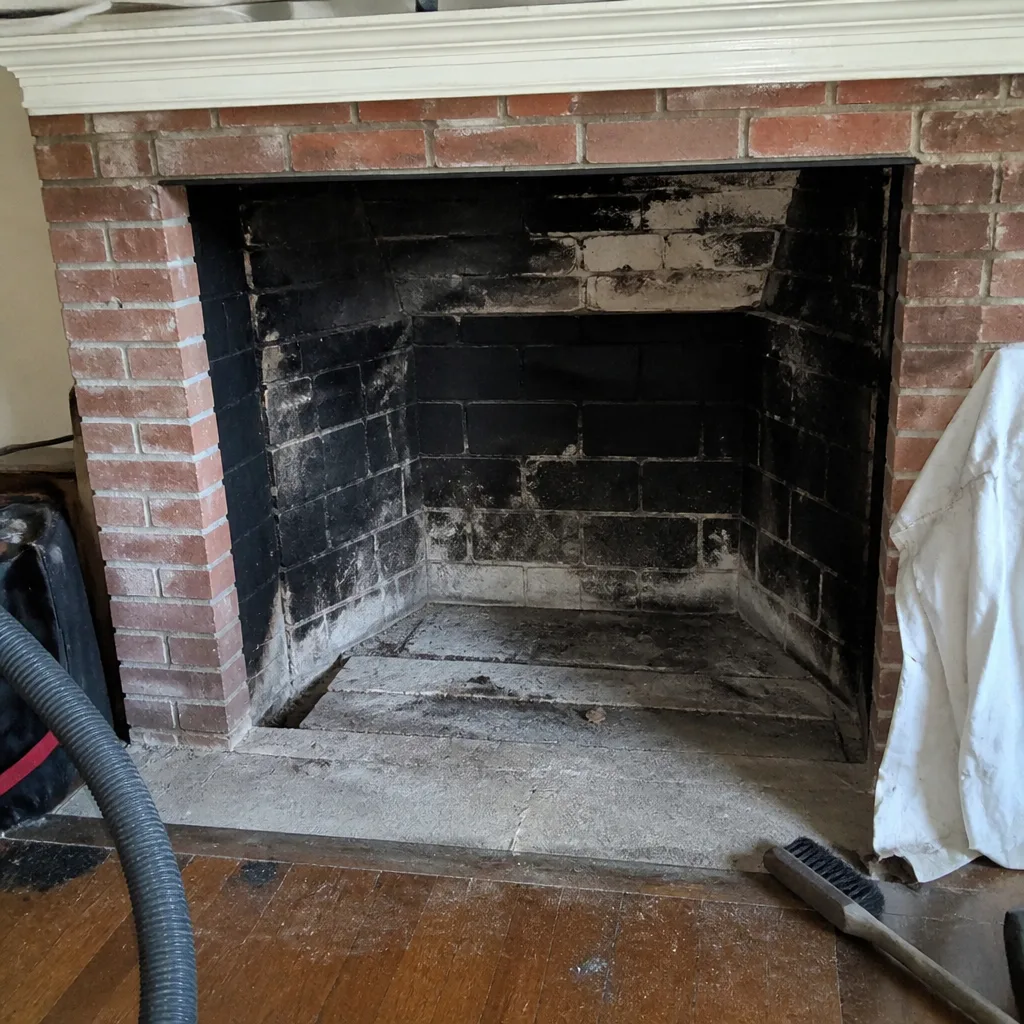 Before
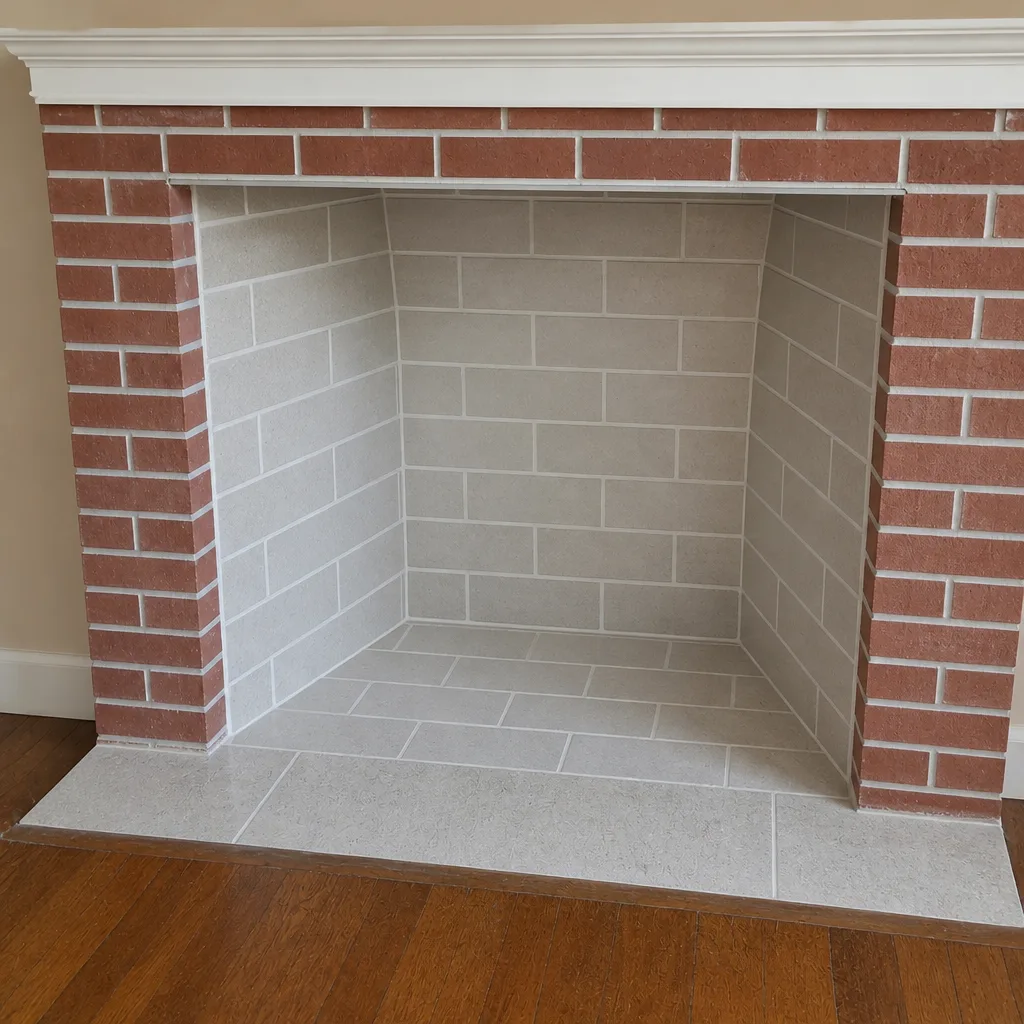 After
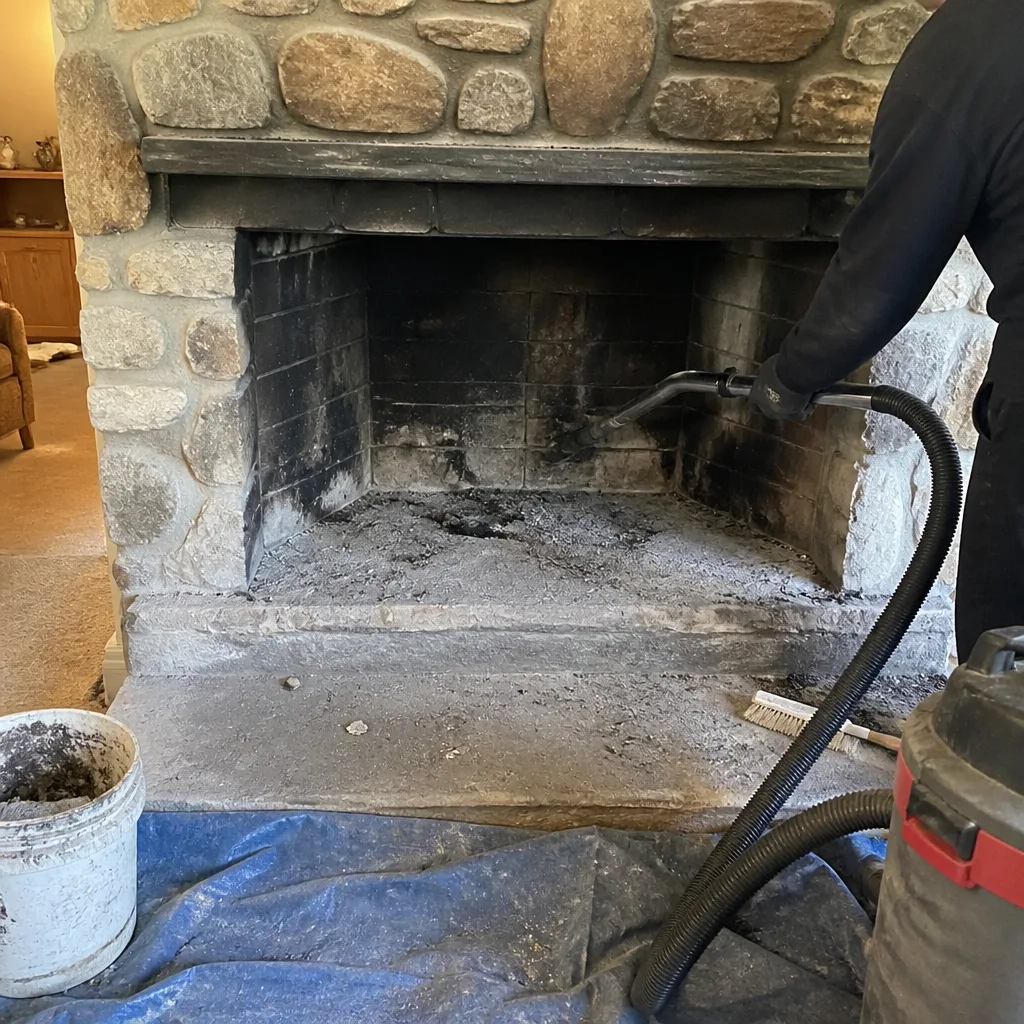 Before
 After
 Before
 After
Common Mistakes to Avoid
- Waiting to call 911 because you’re not sure it’s a chimney fire. The sound of a roar or a jet-engine rumble in the walls is enough for a call. Minutes spent second-guessing are the minutes you can’t get back.
- Climbing on the roof with a hose during a chimney fire. Water on a hot flue can crack it, and a roof during an active fire is no place to be. Stay on the ground and let the fire department do the roof work.
- Assuming a lightly used fireplace doesn’t need an annual sweep. In Washington Square, intermittent burning with the damper choked down builds creosote faster than a hot, continuous fire. Low fire volume doesn’t mean low risk.
- Burning unseasoned or green firewood because it’s what’s on hand. Wet wood cools the flue and lays down more deposit. A moisture meter is cheaper than a relining job and settles the question in seconds.
- Having a suppressor on the mantel but never reading the label. A suppressor that’s deployed wrong is worse than no suppressor. Read the instructions, keep them with the product, and know how it’s meant to be used.
- Skipping the post-fire inspection because the fire “seemed small”. Fire damage to a flue liner is often invisible from the firebox. NFPA 211 calls for the inspection for a reason, and it’s the only way to know whether the chimney is safe to relight.
- Treating a missing or damaged chimney cap as a cosmetic issue. A displaced cap is a flue obstruction and a water intrusion point. It’s also one of the most common findings in a Washington Square inspection, which is why we treat cap and crown work as a dedicated service rather than an afterthought.
When to Call a Professional
Some chimney situations are clearly a call. A chimney fire, a CO alarm that sounds, smoke backing into the room, a cap that’s come loose, visible cracks in the crown, or a recommendation from a home inspector or insurance adjuster all point to a professional visit. So does a fire that won’t draft, a damper that won’t close, or a chimney that hasn’t been swept in a year or more of use. If you’ve had a chimney fire, the inspection before relighting is not optional. And if you’re unsure, the right move is a sweep and inspection that tells you whether the chimney is safe to use, with the written finding in hand. Chimney Sweep Washington Square offers free estimates in Washington Square; call (833) 513-8794. Our technicians have up to 9 years of experience and work with trade-grade materials throughout the full chimney system. Call (833) 513-8794. We answer 24/7. Fast dispatch from 7am to 7pm, Sunday through Friday.
Frequently Asked Questions
A standard chimney sweep in Washington Square typically falls in the range of a few hundred dollars, and the written estimate you receive sets the exact price for your chimney. The estimate is free, and it should include the sweep, a visual inspection, and a written report of any findings. Call (833) 513-8794 for an exact quote; estimates are free.
Call 911, get everyone out of the house, close the damper and air controls on your way out if you can do so safely, and stay outside until the fire department clears the structure. Do not climb onto the roof and do not try to fight the fire from above. Deploy a chimney fire suppressor only if it can be done safely and only after you’ve called for help.
Not always, but you can’t know without a Level 2 inspection with a video scan. A chimney fire can crack or warp a flue liner in ways that are invisible from the firebox. If the liner is compromised, relining with a system like DuraFlex is usually the right fix, and if the liner is sound, we’ll tell you that and you can burn again. Call (833) 513-8794 for an inspection and a straight answer.
The chimney should be swept at least once a year when it’s in use, and more often if you burn frequently, burn unseasoned wood, or notice a heavy creosote buildup. In Washington Square, the mild winters mean many households burn intermittently, which can build creosote faster than a hot continuous fire, so the annual sweep matters even for light users.
Because a working fireplace can still vent CO into the home through a cracked liner, a blocked flue, or a draft problem you can’t see. The alarm is the only reliable warning. Install CO alarms on every level of the home, test them monthly, and if one sounds, get everyone outside and call 911 and the gas utility.
You may be relighting a chimney with hidden damage, which is how a small fire becomes a structural problem. The flue liner, damper, and masonry can all be compromised by heat even when the fire seemed contained. A Level 2 inspection finds the damage while it’s still repairable; skipping it risks discovering it with the next fire. Call (833) 513-8794 to schedule the inspection before you light again.
The Bottom Line
Chimney emergencies aren’t random. They follow a pattern set by how the chimney has been used and maintained, which means you can prepare for them in advance. Know the sound a chimney fire makes. Have the first-five-minutes protocol memorized and a suppressor on the mantel with its instructions. Keep working smoke and CO alarms on every level. Test the damper before the season starts. And have a sweep you can reach before you need one, because the inspection after a fire is the step that separates a contained event from a disaster. In Washington Square, one call to a full-service chimney company covers the sweep, the inspection, the repair, and the cap and crown work, so nothing gets left for a second contractor to find. Call (833) 513-8794. We answer 24/7. Fast dispatch from 7am to 7pm, Sunday through Friday.
Written by the team at Chimney Sweep Washington Square.