
Last updated November 23, 2026
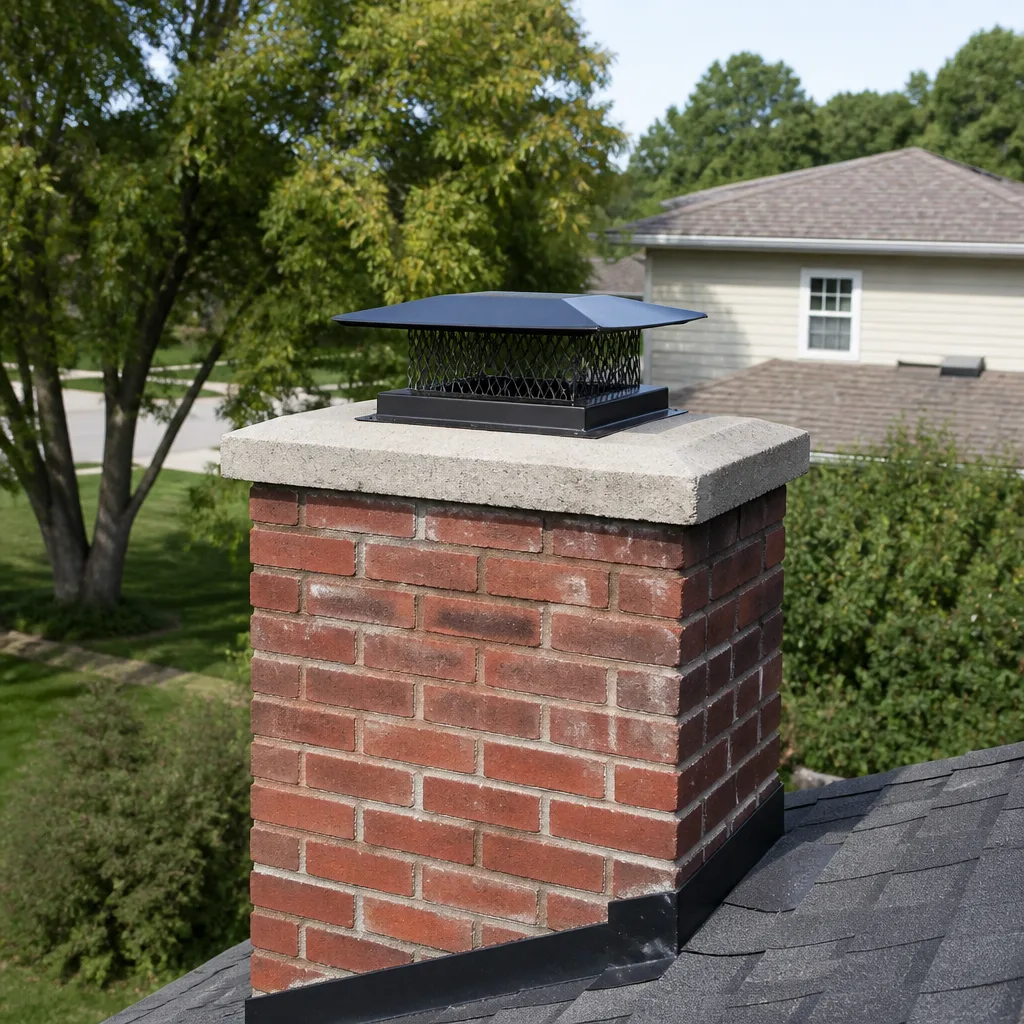 Sweep & inspection
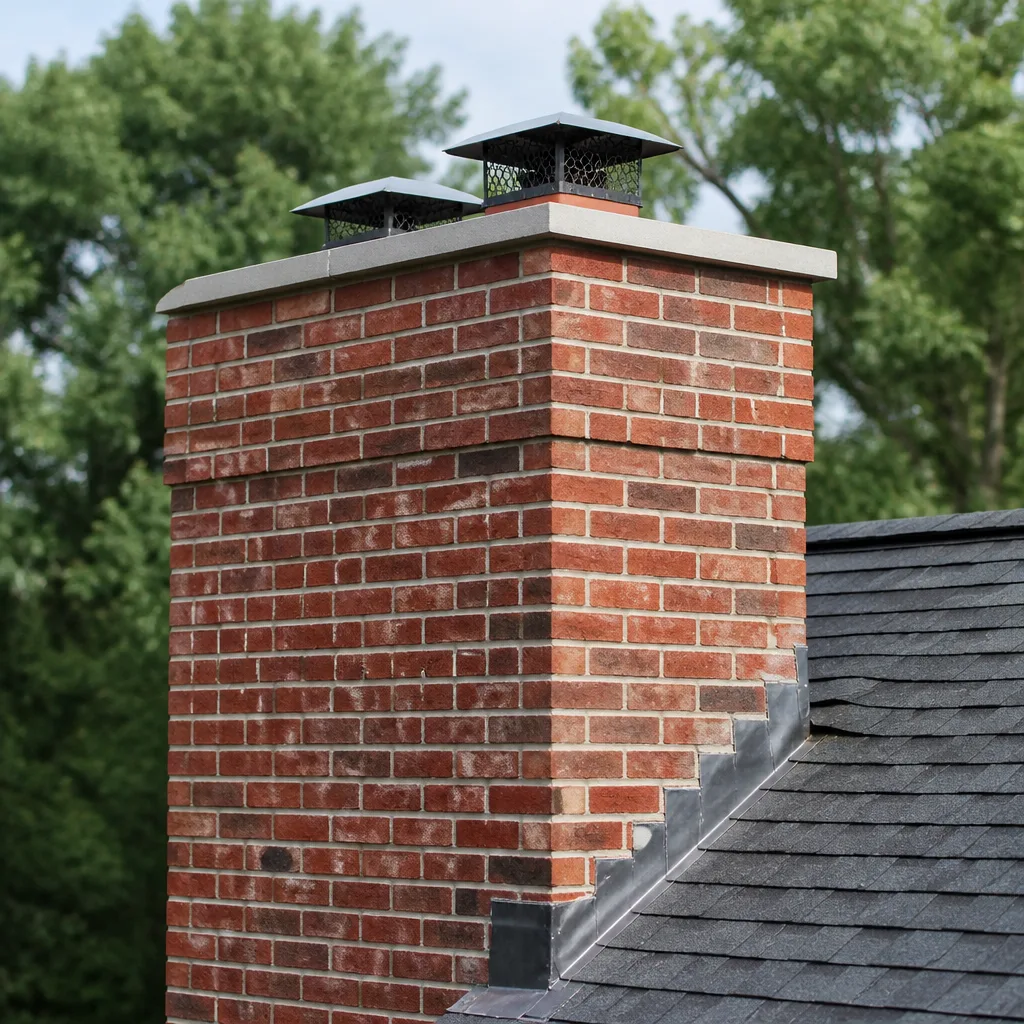 Caps & crowns
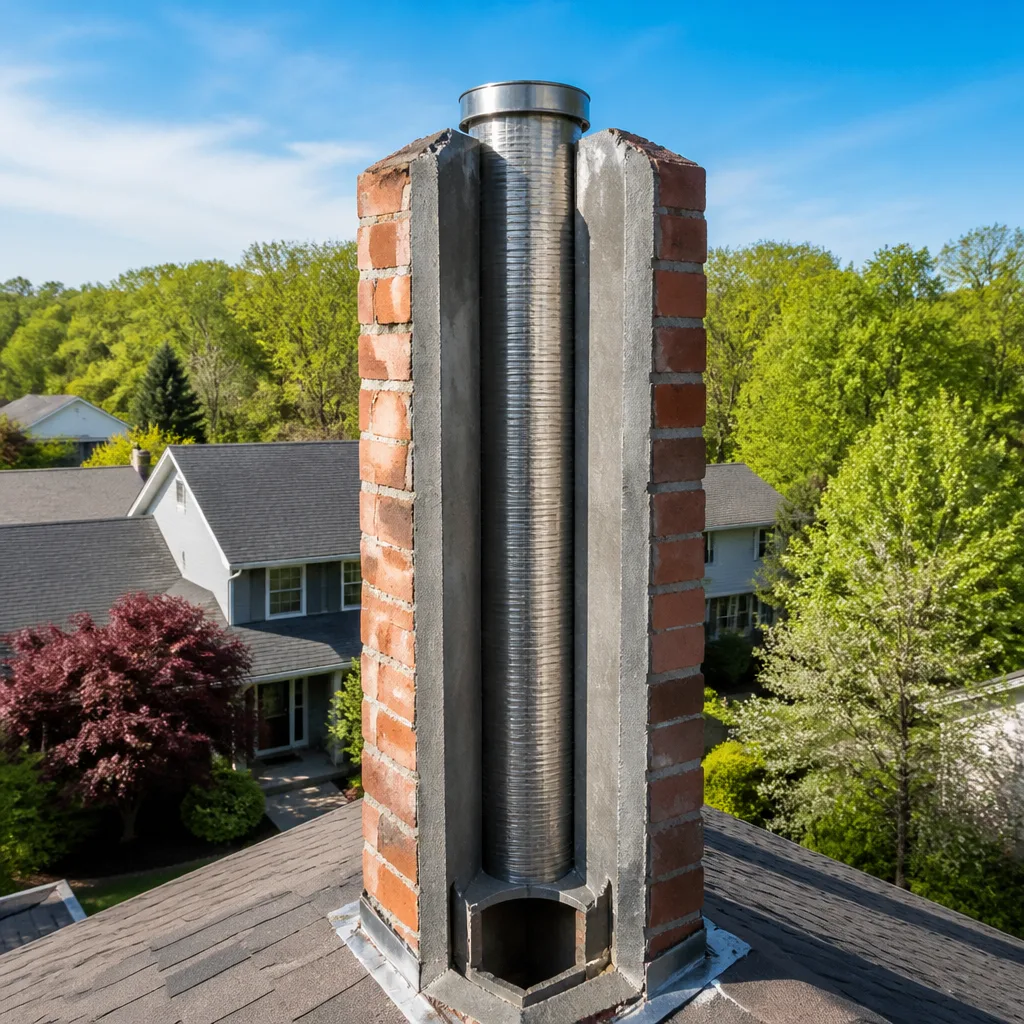 Flue relining
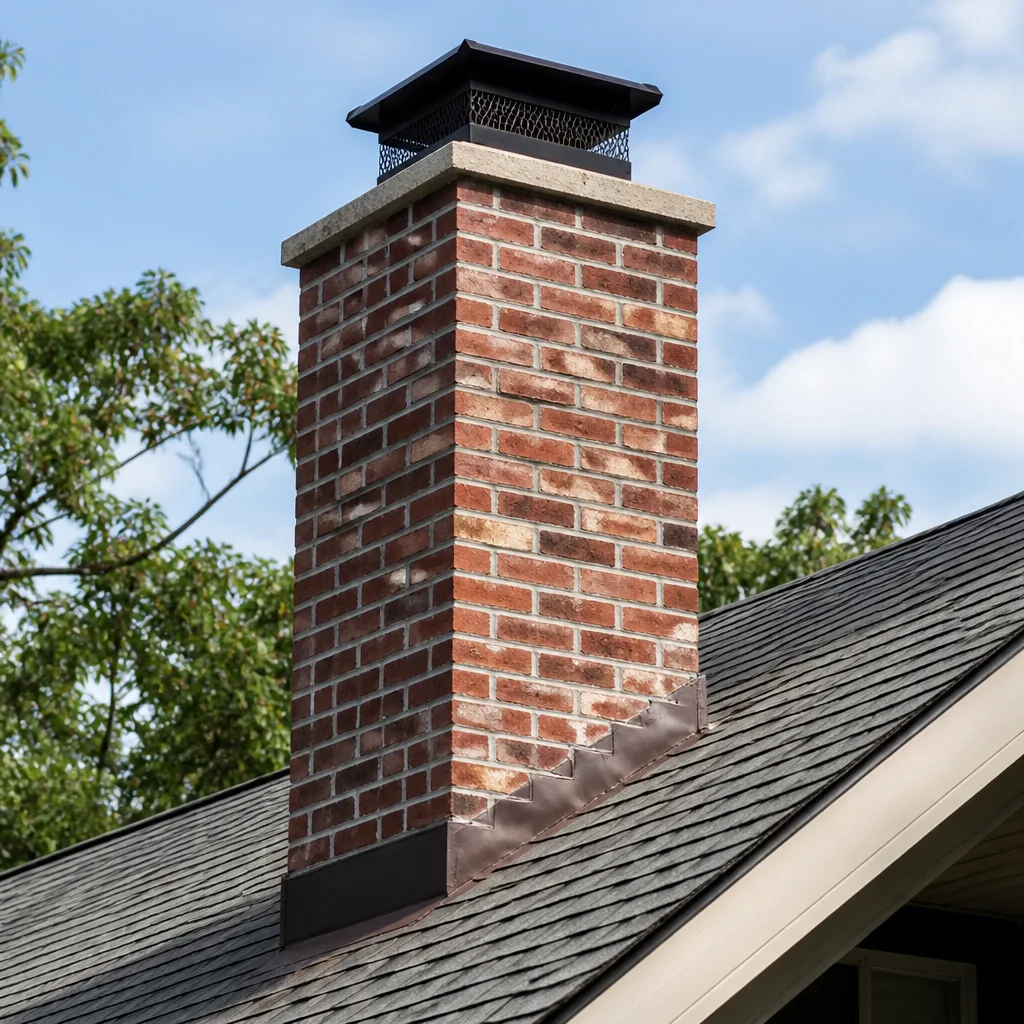 Masonry repair
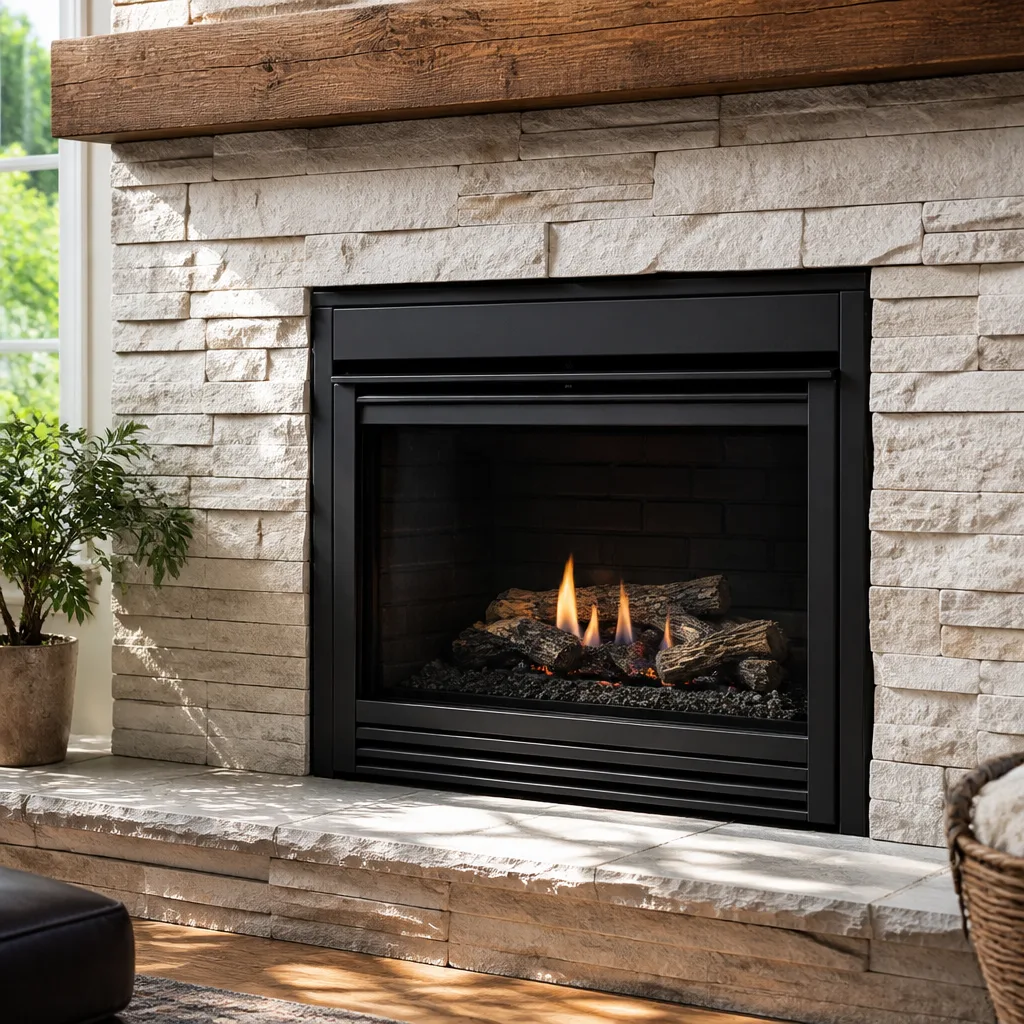 Gas fireplace service
Level 1 sweep and inspection to the NFPA 211 annual standard - flue, crown, cap, and flashing checked and photographed
Chimney sweep logs do not sweep chimneys. They loosen some creosote - which then falls where a brush and vacuum still have to collect it.
The Complete Guide to Chimney Cleaning in Washington Square
Most chimney fires don’t start because a homeowner skipped the annual sweep. They start because the sweep was superficial, and nobody caught the glazed creosote that a quick brush-and-vacuum misses. In Washington Square, where winters are mild and fires burn less intensely than in colder climates, that quiet buildup can go unnoticed for more than a season. We’ve seen fireplaces that looked clean from the firebox but carried a hard, tar-like layer high in the flue. This guide explains what a professional chimney cleaning in Washington Square actually involves, what each step is meant to catch, and how to tell whether your sweep did the full job.
Quick Answer
A professional chimney cleaning in Washington Square is more than brushing soot from the firebox. It’s a diagnostic process that scours the full flue, identifies creosote type and thickness, and produces a written inspection report documenting the condition of the liner, cap, crown, and joints. Done correctly, a cleaning tells you what’s safe to burn and what needs repair; done poorly, it leaves glazed creosote and structural damage in place.
Styles & brands we work with
- Sweep & inspection
- Caps & crowns
- Flue relining
- Masonry repair
- Gas fireplace service
Table of Contents
- What a Professional Chimney Cleaning Actually Covers
- Glazed Creosote: Why Some Buildup Can’t Just Be Brushed
- Level 1, Level 2, and Level 3 Inspections Explained
- How Washington Square’s Mild Winters Change Cleaning Frequency
- What the CSIA Standard Requires vs. a Minimum-Effort Sweep
- What Documentation a Cleaned Chimney Should Produce
- Safety Systems a Sweep Should Check While on the Roof
- What Chimney Cleaning Typically Costs
What a Professional Chimney Cleaning Actually Covers
A proper chimney cleaning treats the entire flue system, not just the visible firebox. Before any brush goes up, a technician should lay drop cloths, check the damper, and confirm the appliance type (wood-burning fireplace, insert, or gas). Then the work moves through a defined sequence.
- Setup and containment. Drop cloths and a vacuum with a HEPA filter protect the room. The firebox opening is sealed so soot can’t migrate into the home.
- Firebox and smoke chamber cleaning. Loose ash, soot, and debris come out first. The smoke chamber, where gases slow and deposit creosote, gets scraped and brushed.
- Flue brushing. The technician runs a flue brush matched to the liner material (clay tile, stainless steel, or cast-in-place) from the firebox up or the roof down, depending on the configuration.
- Creosote assessment. After brushing, the technician inspects the flue with a light and camera to categorize remaining creosote as stage 1, 2, or 3.
- Cap, crown, and joint inspection. The roof-level check looks at the cap, crown, flashing, and liner joints for cracks, rust, or water entry.
- Documentation. A written report and photos record what was found and what should be watched.
In Washington Square, most fireplaces are wood-burning or gas and get used mainly in the cooler months, so a cleaning usually happens once a heating season ends. That season’s deposits are what the sweep is removing, and the inspection is what tells you whether the following season is safe.
Glazed Creosote: Why Some Buildup Can’t Just Be Brushed
Creosote builds in three stages. Stage 1 is soot and flaky deposit that a standard flue brush removes cleanly. Stage 2 is a tougher, crusted layer that a rotary brush can break down. Stage 3 creosote is different: it’s a hard, glazed, tar-like coating fused to the flue wall. A hand brush won’t touch it, and a rotary brush alone can smear it rather than remove it.
That third stage is the one that matters most. Glazed creosote is dense and highly combustible, and it concentrates heat near the flue wall. In a flue with clay tiles, the heat can crack the liner. In a flue with a stainless steel liner, it can warp or distort the seams. Glazed creosote must be chemically treated before brushing begins, and this is where a superficial sweep falls short.
- How to tell if chemical treatment is needed: the flue walls show a shiny, glassy, or bubble-textured surface rather than a dry, powdery one.
- How to tell if the sweep skipped this step: the flue feels slick after brushing, or the sweep’s report doesn’t mention creosote stage at all.
- What proper treatment looks like: a chemical product is applied to the deposit, then the flue is re-swept after the prescribed dwell time to remove the softened material.
If your sweep never inspects the flue after brushing, they can’t know if glazed creosote remains. In our experience, that missing inspection step is the most common gap between a thorough cleaning and a quick one.
Level 1, Level 2, and Level 3 Inspections Explained
Inspections are graded, and the grade should match what changed since the last cleaning. Most homeowners only need one of the three levels each year, and which one depends on what happened during the season.
- Level 1: Standard visual inspection of accessible parts of the flue, firebox, damper, and cap joints. This is the correct level after a routine cleaning and a normal season with no changes.
- Level 2: Adds a video camera scan of the flue interior, plus a closer look at joints, connections, and the rest of the system. A Level 2 is appropriate after a chimney fire, after a flue lining change, or if a home inspector or insurance provider flagged an issue.
- Level 3: Involves accessing concealed areas, which can mean removing parts of a wall or crown to reach the flue. Reserved for suspected structural problems the lower levels can’t resolve.
In Washington Square, a normal heating season with moderate use usually calls for a Level 1 after cleaning. If the home has changed hands, if a new appliance or liner was installed in the last year, or if a repair was flagged by an inspector, a Level 2 is the sensible choice. If creosote was already glazed or the liner shows cracking, the sweep may recommend moving to the next level rather than guessing.
Do not accept a cleaning without an inspection attached. A sweep-only visit that leaves no camera evidence and no written findings tells you nothing about the flue’s actual condition, and it can’t support any repair recommendation.
How Washington Square’s Mild Winters Change Cleaning Frequency
The usual advice is to sweep once a year. In Washington Square, with its mild winters, that general rule needs adjustment. Milder seasons usually mean fewer fires and less total wood burned, which can push deposits out farther without a cleaning. But lower fire intensity is not always safer: cooler, smoldering fires can build creosote just as fast, and often faster, than hot ones.
What this means in practice:
- Light use, one or two fires a month: a maintenance cleaning at the end of the season is usually enough, with a visual check at the start of the next one.
- Regular evening use in the cooler months: sweep once a season, plus a check for glazed deposits.
- Gas fireplaces: less soot but still worth an inspection for vents, caps, and the firebox lining.
The deciding factor is not the calendar. It’s the amount of creosote in the flue, which the inspection tells you. If the flue has a quarter-inch or more of deposit, the cleaning is overdue; if the flue is mostly clean, the checklist may just need updating. Because Washington Square’s climate doesn’t drive hard, punishing winters, the deposits that do form have more time to harden, which is exactly the condition that shifts a routine sweep into chemical treatment territory.
What the CSIA Standard Requires vs. a Minimum-Effort Sweep
The CSIA’s chimney sweep standard specifies what a proper cleaning involves: cleaning the entire flue, not just the firebox; inspecting the flue after cleaning; recording findings; and checking the cap, crown, and liner condition. The standard exists because the difference between a proper sweep and a quick one is easy to hide.
A minimum-effort sweep in practice looks like this:
- Brushing the firebox and lower flue, then leaving.
- No camera inspection after brushing.
- No written condition report and no photos.
- No creosote stage mentioned.
- No cap or crown check from the roof.
A full-standard sweep looks different. The technician works the full flue, inspects the result, identifies the deposit type, and delivers a report that lists each finding with photos where relevant. In our experience, the visible brush work is only the first half of the job. The second half is the inspection, and that’s the part most homeowners never see.
The standard also extends to what a sweep may recommend. Proper findings often trace back to the cap and crown, the two roof points where water most often enters a chimney. Those repairs belong with a specialist, not a generalist, and they’re best handled by the same company that did the sweep.
What Documentation a Cleaned Chimney Should Produce
When the cleaning is done, you should have paper (or a digital file) that lets you verify what happened. Ask for the following, and treat a missing report as a missing step.
- Inspection report. A written summary of the flue, firebox, damper, cap, crown, and visible joints, with each area rated clean, monitor, or repair needed.
- Photos. Interior flue shots before and after cleaning, plus any damaged areas. Without photos, a repair recommendation is hard to verify.
- Creosote classification. Which stage of creosote was found, and whether chemical treatment was part of the visit.
- Written condition notes. Plain-language notes on what’s safe to keep using, what should be watched, and what can wait until next season.
Documentation protects you in two ways. It gives you a record for your insurer if a chimney fire is ever suspected, and it lets a second technician verify a repair need without guessing. We work the same way when we hand over a cleaning: the photos and report go to the homeowner, not into a file cabinet. Our technicians have up to 9 years of experience, and that experience is only useful to you if it’s turned into a report you can actually read.
Safety Systems a Sweep Should Check While on the Roof
The roof is where some of the most consequential findings happen, and a sweep should be checking these on every cleaning visit.
- Chimney cap. A cracked or missing cap lets rain and debris enter the flue and lets birds nest inside. Caps are cheap to replace compared to water damage.
- Crown. The concrete top of the chimney should shed water away from the flue. Cracks let water drip down between the flue liner and the masonry.
- Flashing. The metal seal where the chimney meets the roof should be tight. Loose flashing is a common leak source.
- Liner joints. Any visible crack or displaced tile means the flue isn’t safe to use until repaired.
Our full service includes the chimney cap & crown work that sweep-only companies tend to leave to someone else. Because the cap and crown are the two most common points where water enters, a sweep that doesn’t check them is only covering part of the system. We source caps and components from Gelco, Famco, Olympia Chimney, and Copperfield, the same trade-grade suppliers certified professionals use, rather than hardware-store substitutes.
None of this should be a scare tactic. A cap check is five minutes of work, and the finding may be “nothing needed this year.” But the finding needs to exist, in writing, before you can trust it.
What Chimney Cleaning Typically Costs
Chimney cleaning pricing depends on the flue configuration, the buildup found, and whether the visit includes an inspection or a repair recommendation. Call (833) 513-8794 for an exact quote; estimates are free. The ranges below are typical for a straightforward wood-burning fireplace cleaning in our market, and the written estimate sets the final price.
| Service | Typical range |
|---|---|
| Standard chimney sweep (firebox and full flue) | Estimated per the written estimate; ask when you book |
| Sweep plus written inspection and photo report | Estimated per the written estimate; ask when you book |
| Glazed creosote chemical treatment | Priced separately after inspection |
| Level 2 camera inspection | Priced per job after the sweep |
| Cap or crown replacement | Priced per job; see the cap and crown page |
We don’t quote a flat number without seeing the chimney because the range of conditions is real. A flue with one heating season of light deposit is very different from a flue with glazed creosote in the upper section. The fair approach is a written estimate after the inspection, so the price reflects the actual job. If a repair is recommended, we tell you plainly when it can safely wait, and the photos let you verify the call.
Common Mistakes to Avoid
- Skipping the inspection. A cheap sweep that leaves no report gives you no record of the flue’s condition. Ask for the report before you book.
- Trusting a quote without a camera check. A price quoted before the flue is inspected is a guess. We don’t recommend repairs without camera evidence you can review yourself.
- Ignoring glazed creosote. Stage 3 deposits won’t come off with a brush alone. If a sweep reports the flue is clean but won’t explain the creosote stage, ask again.
- Sweeping the firebox only. The smoke chamber and upper flue hold the deposits that matter most, and they’re easy to skip if the sweep is rushed.
- Assuming a gas fireplace needs no cleaning. Gas fireplaces still need vent checks, firebox lining inspections, and cap checks. The deposit type is different, but the system is the same.
- Treating a cap crack as cosmetic. Once water gets into the flue, the repair cost climbs. A cracked cap should be addressed before the next wet season, not after the damage appears.
- Letting a generalist do structural chimney work. Cap replacement, crown work, and liner repair are specialist jobs. If the sweep doesn’t carry trade-grade parts, ask who will do the follow-up.
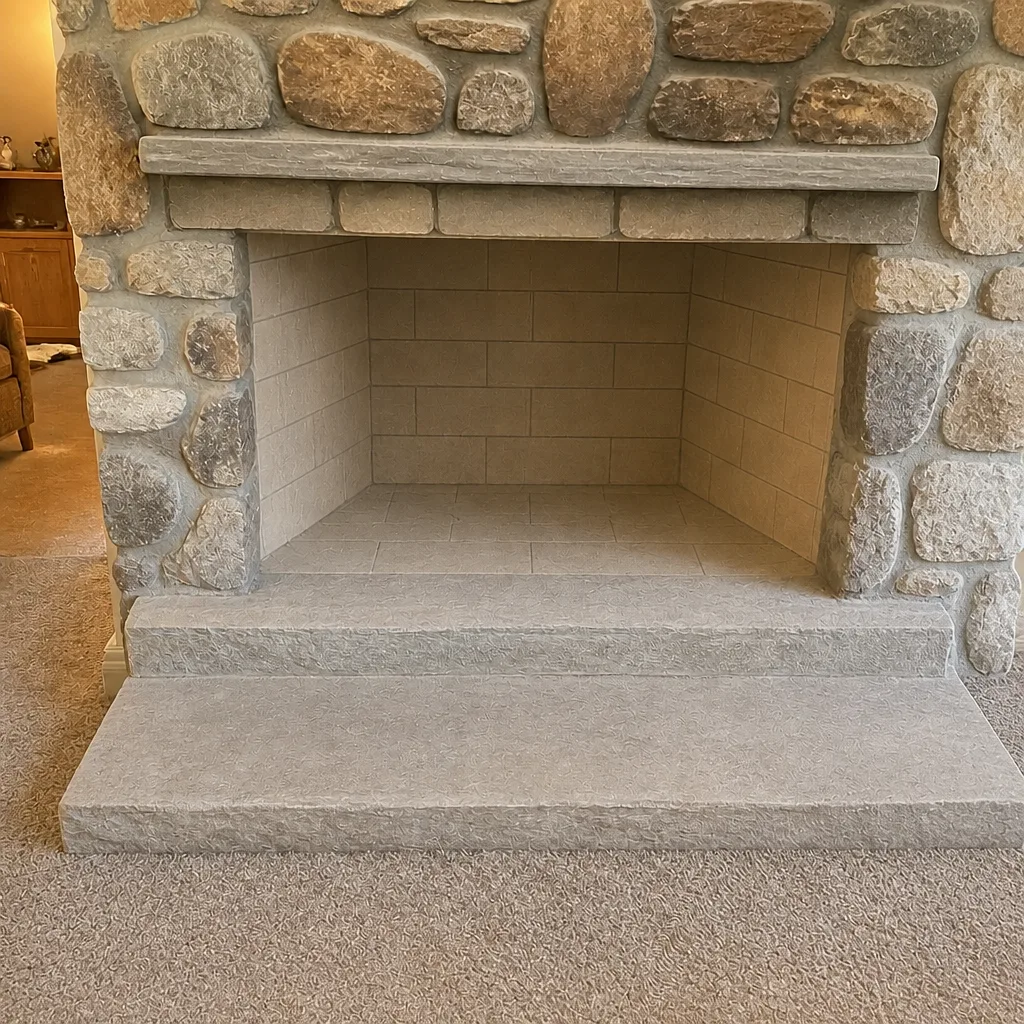
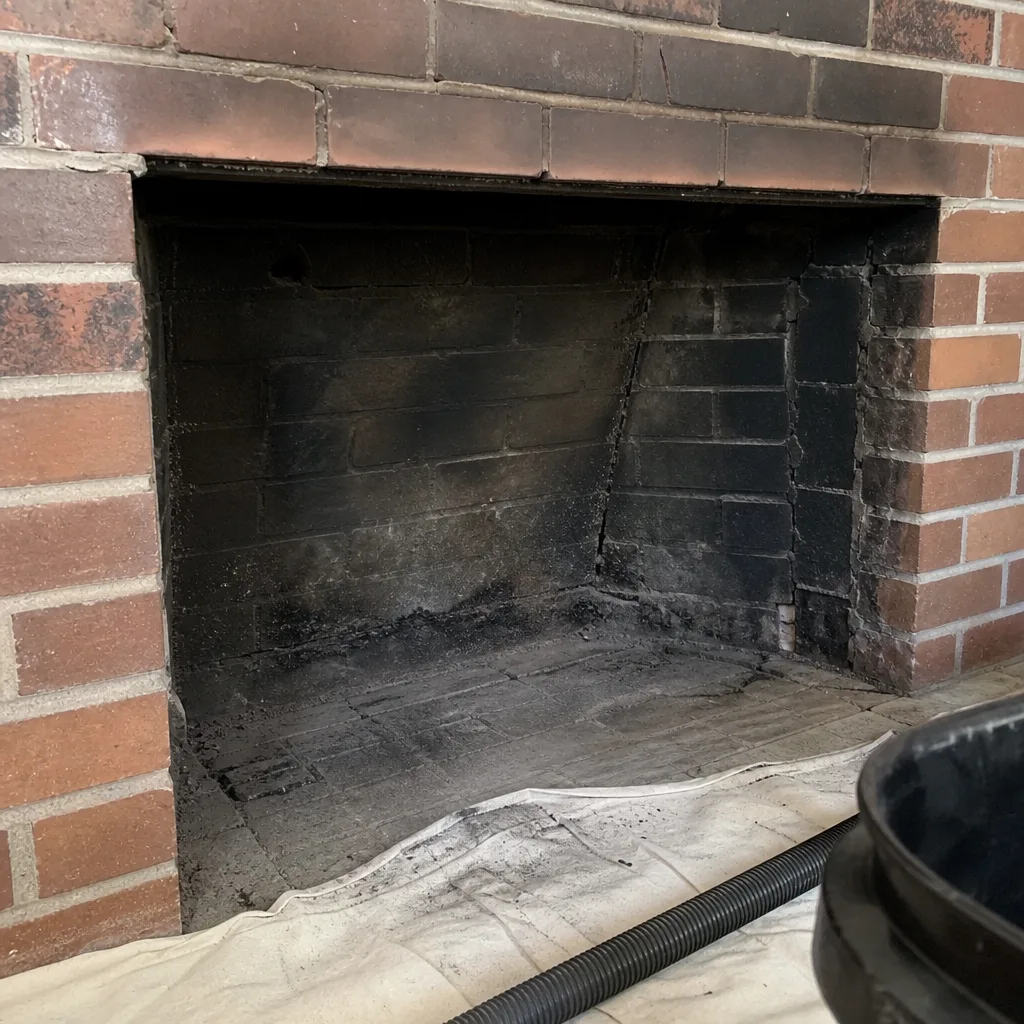
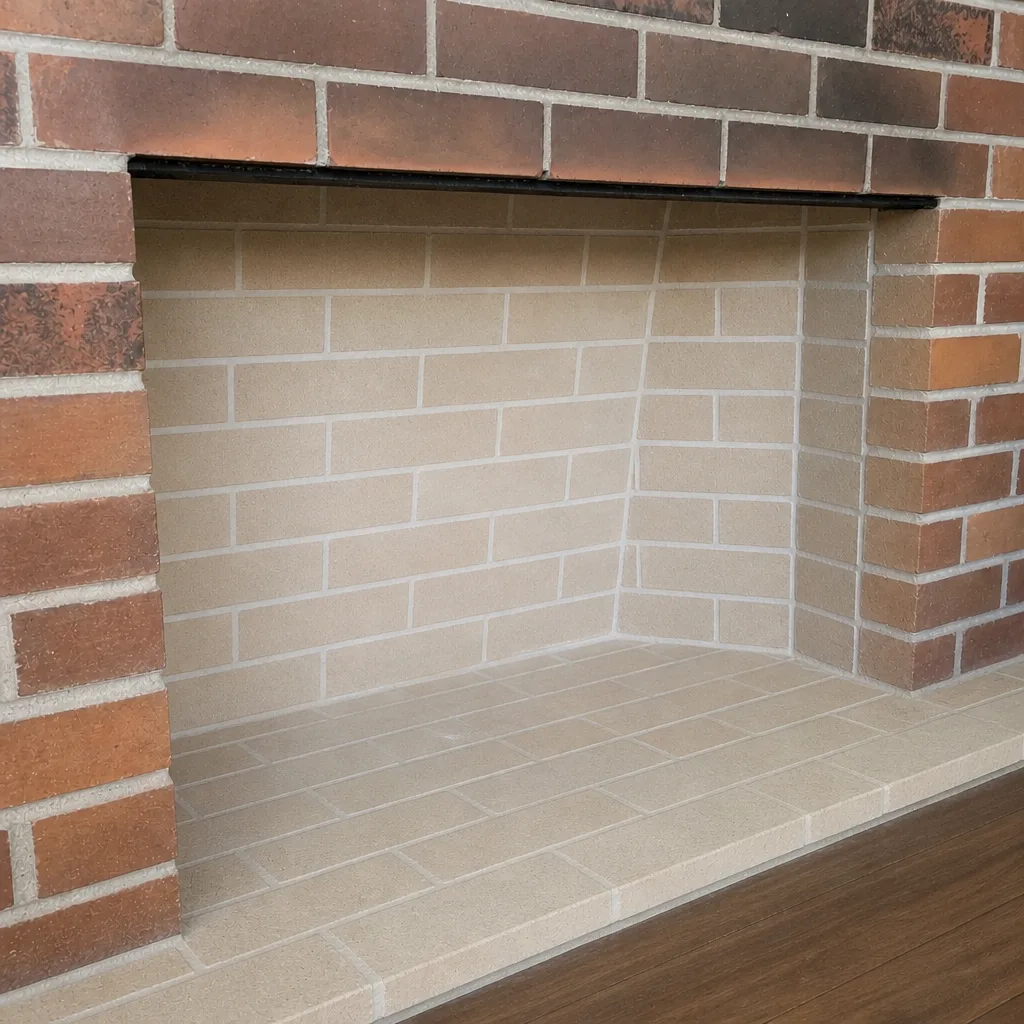
See the difference
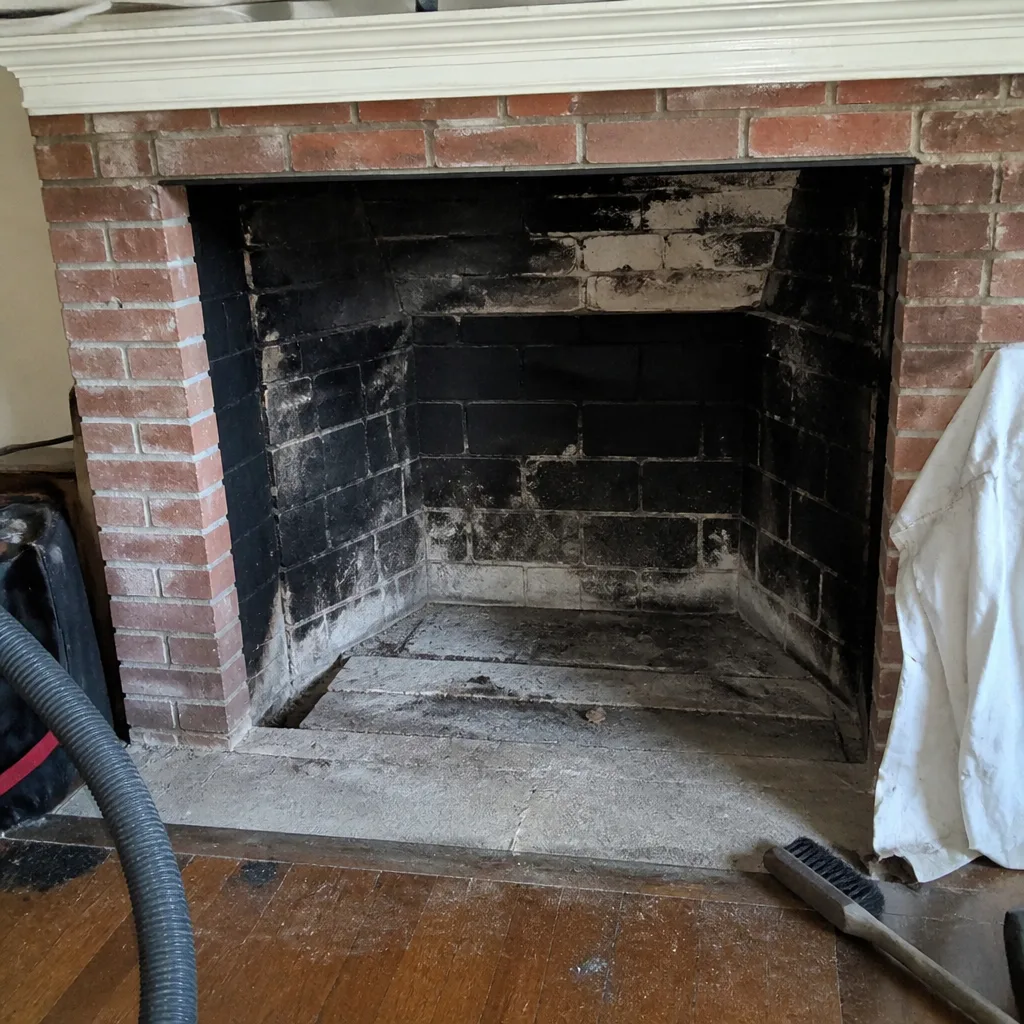 Before
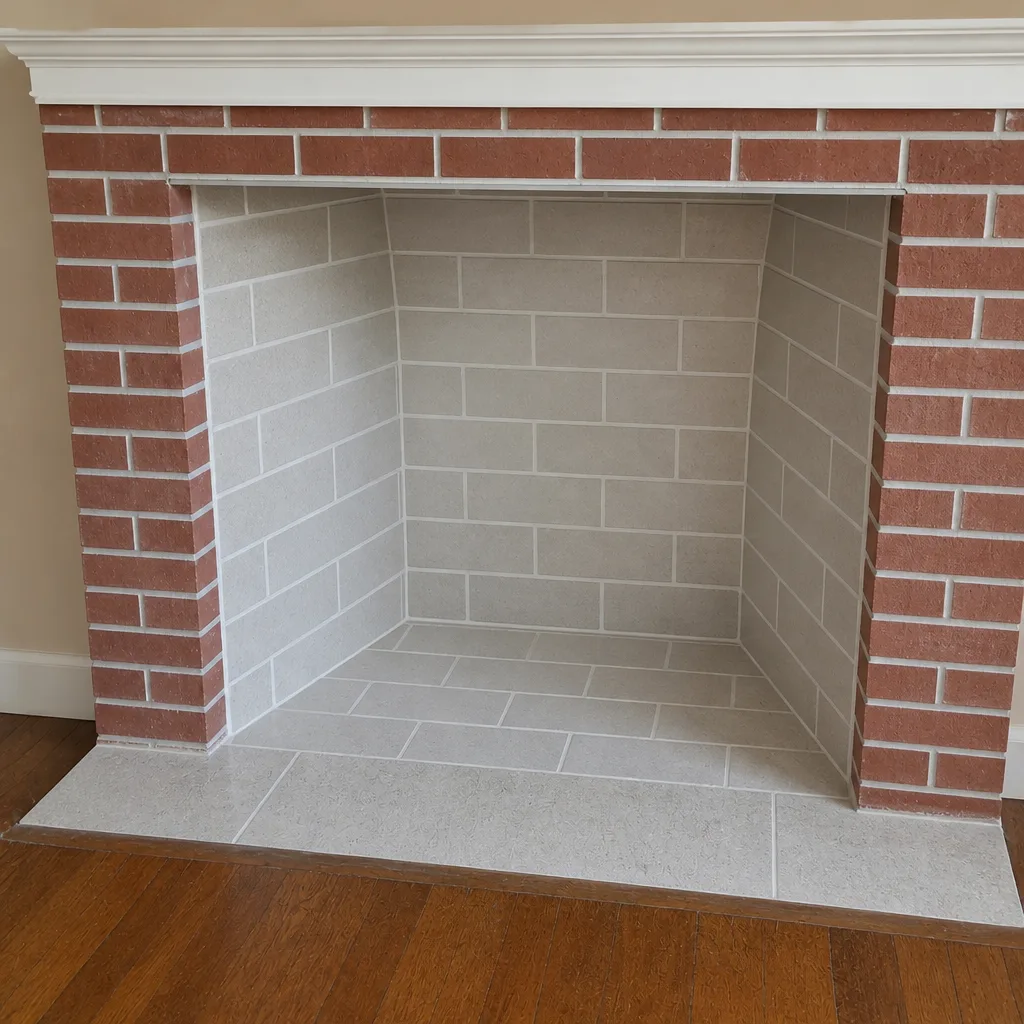 After
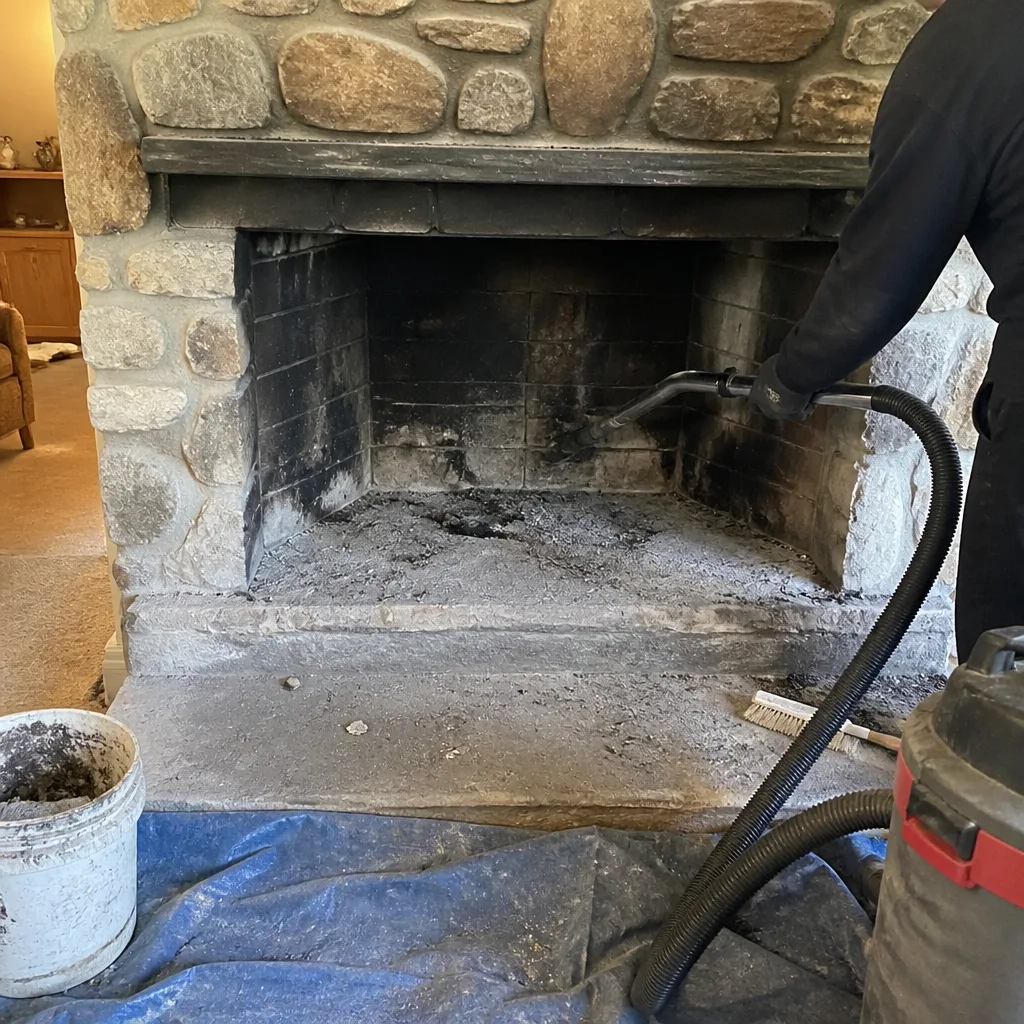 Before
 After
 Before
 After
When to Call a Professional
Call a professional when you’ve had a season of regular fireplace use, when a home inspector or insurer has flagged the chimney, when you smell smoke in the house while the fire is burning, or when you see staining on the masonry or cap. Call before the first fire of the season if you can’t remember the last cleaning. Do not try to clear glazed creosote or a blocked flue yourself; the deposits are combustible, the flue is confined, and the work belongs with a trained technician. Chimney Sweep Washington Square offers free estimates in Washington Square. If you’ve been told a liner or cap repair is needed, we can inspect it with a camera and tell you whether it’s urgent or can safely wait. Our chimney sweep service covers the full system, from flue to cap, and we can follow up with fireplace repair if the firebox needs work.
Safety is the reason to act. A flue with cracked joints can let smoke and carbon monoxide into the house, and glazed creosote near the flue wall can ignite. Those are real risks, not sales points. If the inspection says the flue is sound, we’ll tell you that too, and you’ll have the photos to prove it.
Frequently Asked Questions
Pricing depends on the flue configuration and the deposit found, and we set it with a written estimate after inspection rather than a flat number. Call (833) 513-8794 for an exact quote; estimates are free.
For regular wood-burning use, once a heating season is the sensible baseline, plus a check before the next season. In Washington Square’s mild winters, fewer fires don’t automatically mean a flue stays clean, so the inspection findings should drive frequency, not the calendar alone.
Not always. A liner recommendation should be backed by camera evidence showing cracked tiles, displaced joints, or damage a repair can’t fix. Ask to see the photos; if the flue is sound, resurfacing with a product like HeatShield may be enough, and if it isn’t, a DuraFlex liner install is the correct next step. Call (833) 513-8794 with the report and we’ll walk through it.
Creosote builds in layers and hardens over time, and a hard glazed layer can ignite when a fire burns hot, which is what causes most chimney fires. There’s also the quieter risk of a blocked or cracked flue letting smoke or carbon monoxide into the home. Call (833) 513-8794 to get the flue inspected rather than guess.
No. Stage 3 glazed creosote bonds to the flue wall and needs chemical treatment before brushing, or a brush can smear it rather than remove it. A sweep who skips this step is leaving the most combustible deposit in place. Call (833) 513-8794 if your flue has ever been described as glazed.
You should get an inspection report, before-and-after photos of the flue, the creosote stage found, and written condition notes for the firebox, damper, cap, and crown. If a repair is recommended, ask to see the evidence; the report is yours to keep. Call (833) 513-8794 to book a visit with documentation included.
The Bottom Line
Chimney cleaning in Washington Square is worth doing right because the difference between a proper sweep and a quick one isn’t visible from the living room. A full cleaning includes the firebox, smoke chamber, and flue, plus a post-brush inspection that identifies glazed creosote and checks the cap and crown. Mild winters don’t remove the risk: they change the timing, and they let hardened deposits sit longer. Ask for the report, ask for the photos, and ask which creosote stage was found. If you want a specialist who covers the sweep, the inspection, and the structural follow-up in one company, see Chimney Sweep Washington Square.
Contact
Ready to know what’s in your flue? Call (833) 513-8794 for a free estimate. We answer 24/7. Fast dispatch from 7am to 7pm, Sunday through Friday. From inspection to repair, one company handles the whole system.
Written by the team at Chimney Sweep Washington Square.