
Last updated November 23, 2026
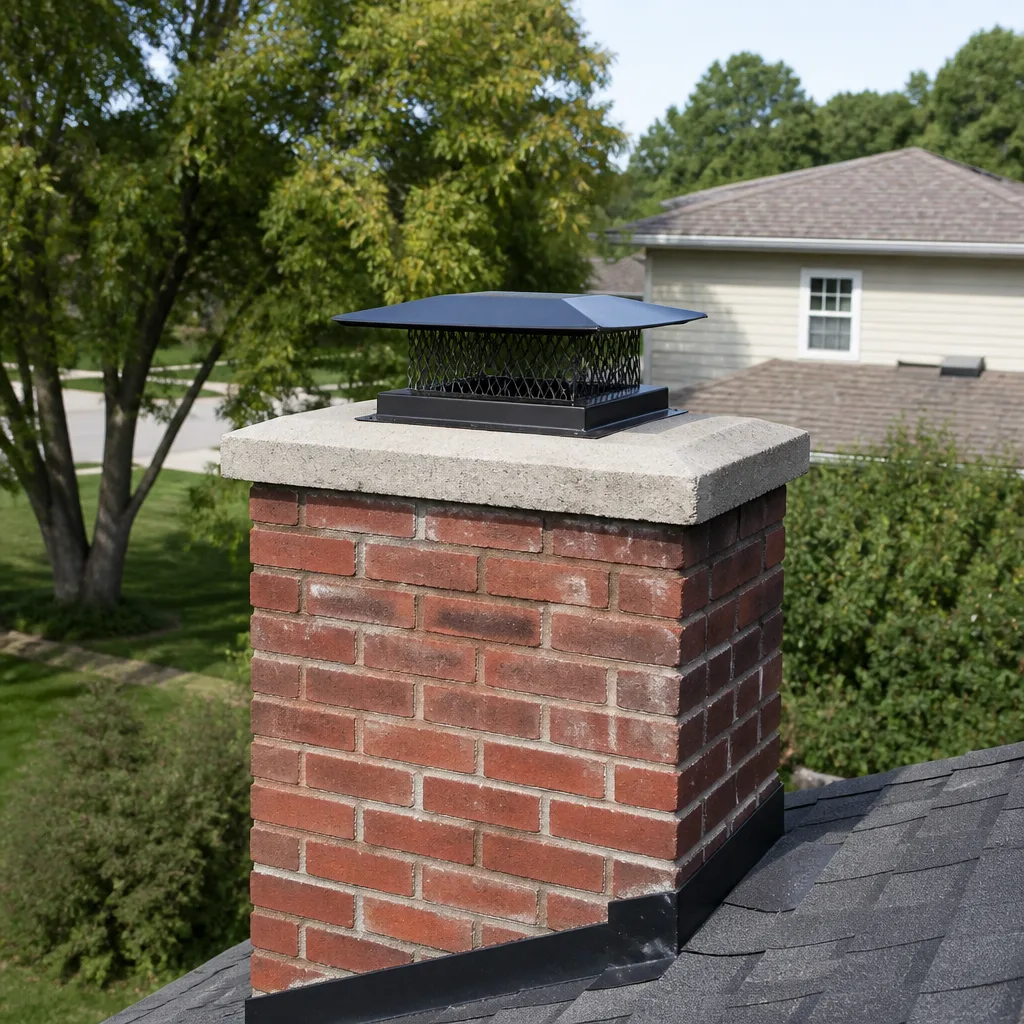 Sweep & inspection
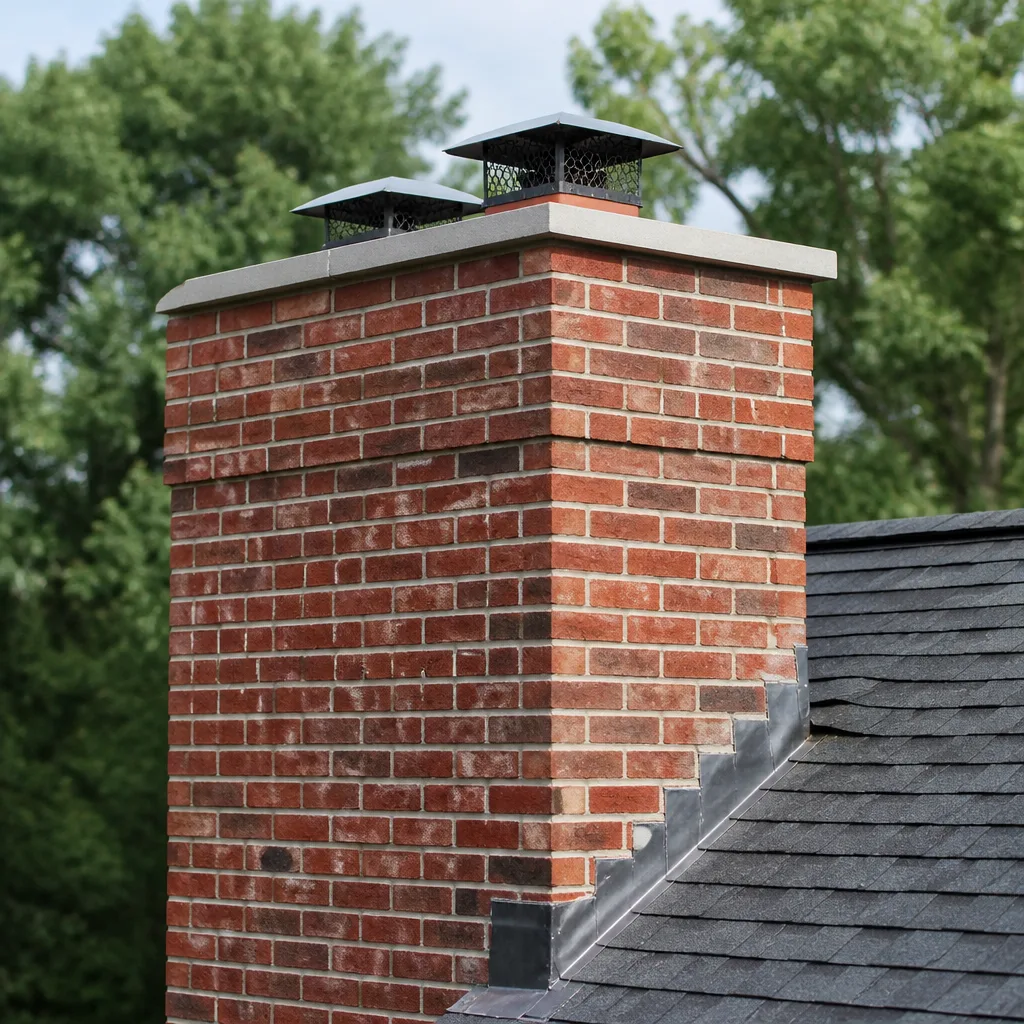 Caps & crowns
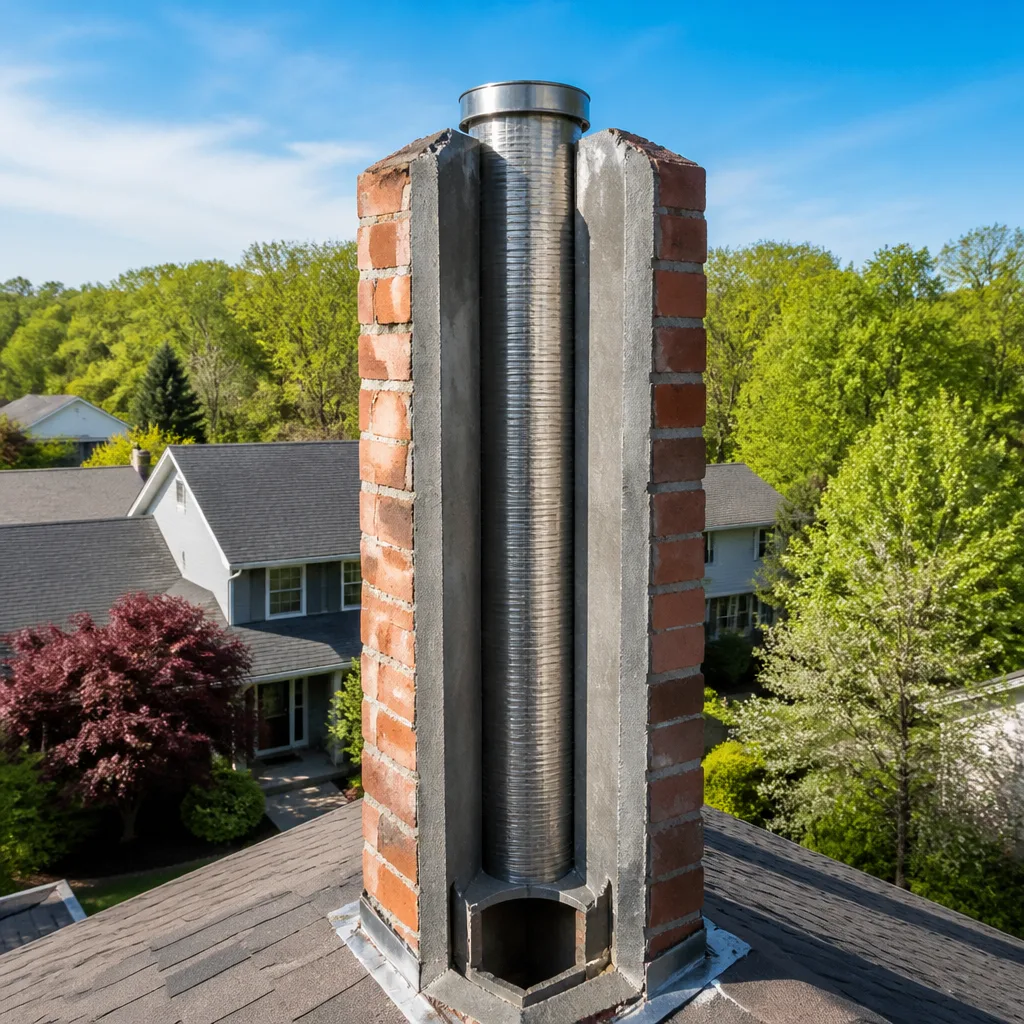 Flue relining
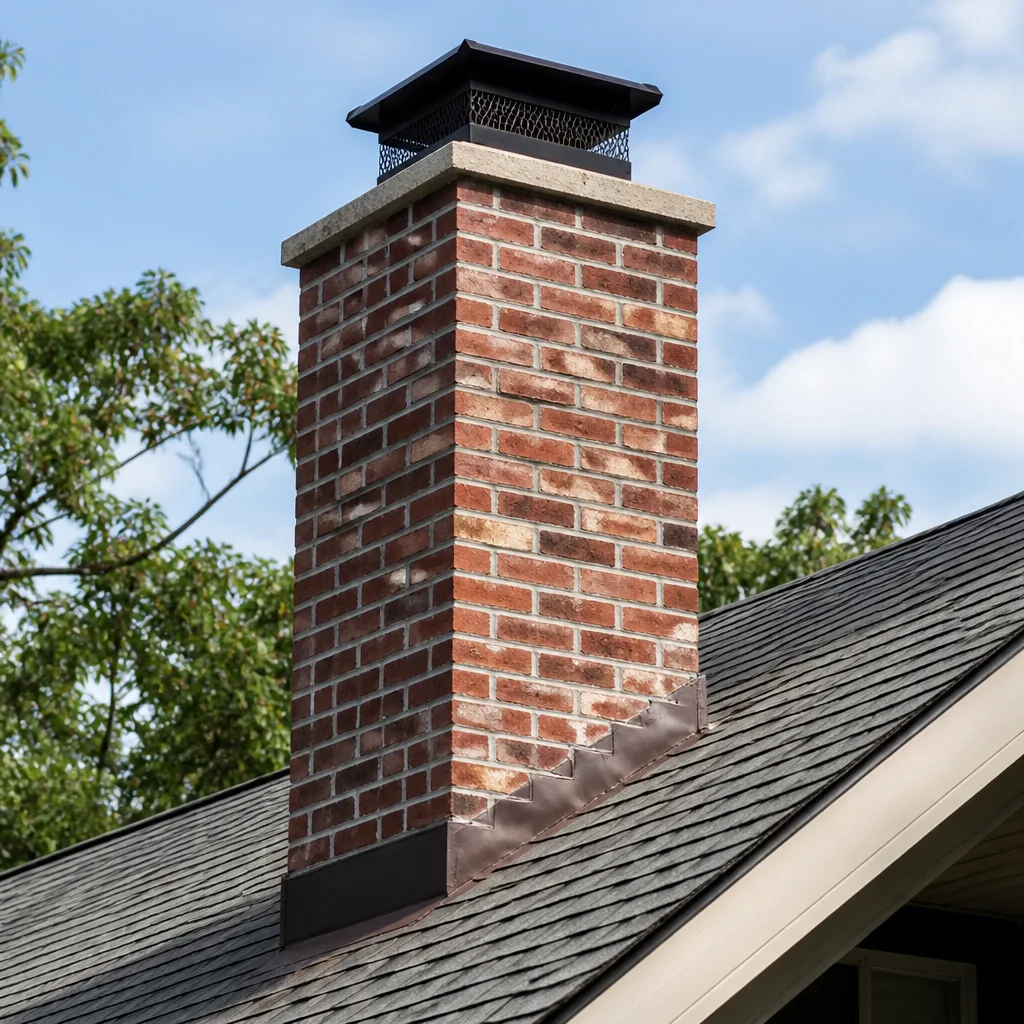 Masonry repair
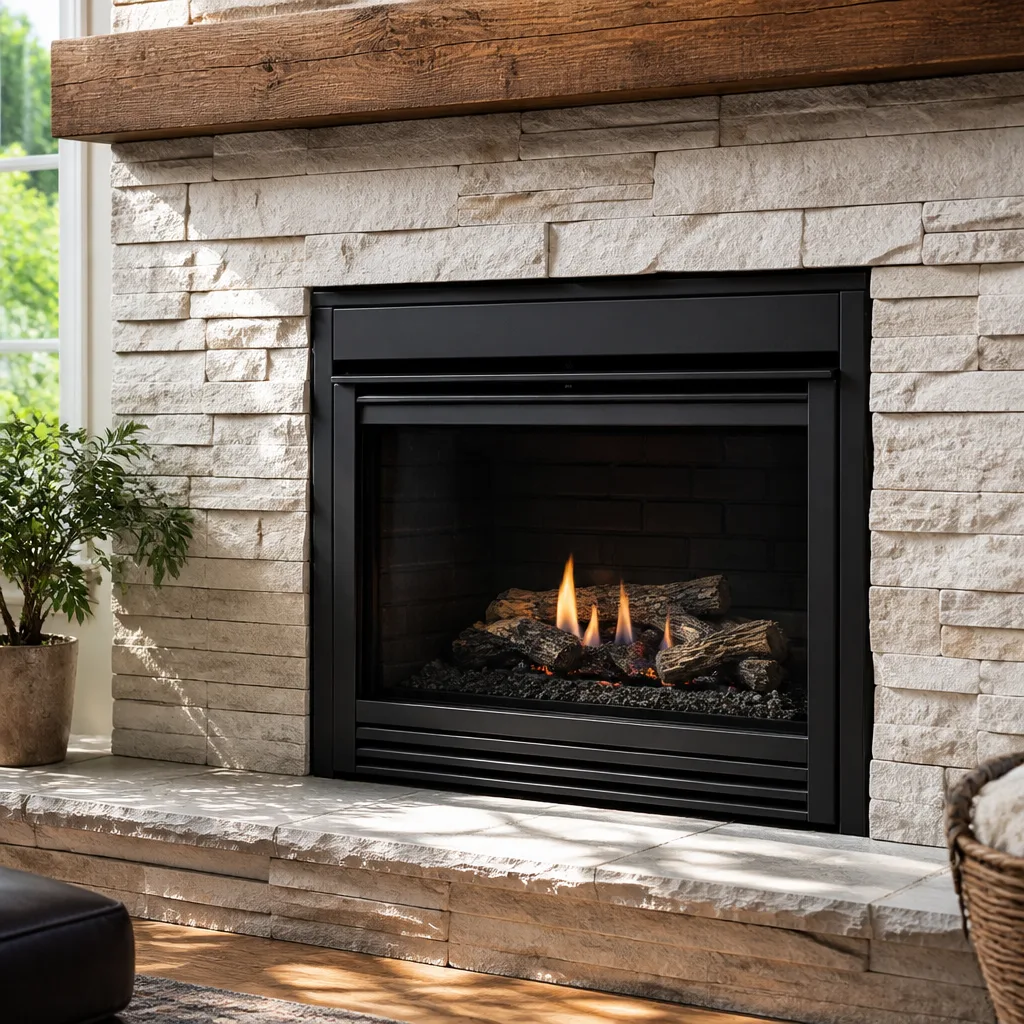 Gas fireplace service
Level 1 sweep and inspection to the NFPA 211 annual standard - flue, crown, cap, and flashing checked and photographed
Chimney sweep logs do not sweep chimneys. They loosen some creosote - which then falls where a brush and vacuum still have to collect it.
DIY vs Professional Chimney Cleaning: The Washington Square Homeowner’s Decision Guide
Here’s the part most DIY guides skip: a brush kit can clean a flue, but it can’t see one. You can pull a stiff nylon brush up a Washington Square chimney and remove a satisfying pile of loose soot, and still miss a hairline crack in the liner, a spalling smoke chamber, or creosote that has baked into a hard glaze. The cleaning and the inspection are two different jobs that happen at the same time. This guide gives you an honest framework for deciding which parts of that work you can reasonably do yourself, which parts you can’t, and where the line between “thrifty” and “false economy” actually sits.
Quick Answer
DIY chimney cleaning is a reasonable supplement to professional service if your flue is already known to be sound and you’re clearing light soot between sweeps. It is not a substitute for professional cleaning if you can’t inspect the flue, because the inspection is where cracked liners, glazed creosote, and deteriorated smoke chambers get caught. For most Washington Square homeowners with an active fireplace, professional cleaning with inspection included is the safer and more cost-effective choice, and the written estimate is free.
Styles & brands we work with
- Sweep & inspection
- Caps & crowns
- Flue relining
- Masonry repair
- Gas fireplace service
Table of Contents
- What a DIY brush kit actually accomplishes
- What DIY cleaning cannot do
- The safety case for professional cleaning
- When DIY is a supplement, not a replacement
- The real cost comparison
- California code, certification, and insurance documentation
- Reading your own creosote before you decide
- A decision framework you can follow
- Common mistakes to avoid
- When to call a professional
- Frequently asked questions
- The bottom line
What a DIY Brush Kit Actually Accomplishes
A brush kit does one job well, and it’s the job people picture when they think about cleaning a chimney: it removes loose, fluffy soot and light stage-one creosote from the flue walls. A poly brush on flexible rods, sized to your flue, worked from the top down or bottom up, will knock down the soft deposits that accumulate over a burning season. For a fireplace that’s been swept recently and burned clean, dry wood, that’s not a trivial result.
Here’s what that kit is up against in a typical Washington Square home. Our winters are mild, which sounds like good news for chimney maintenance and partly is. It also means many fireplaces here get burned intermittently, a fire on a cool evening, then nothing for a week, rather than a steady burn through a cold season. Stop-and-start burning produces cooler flue gases, which is exactly the condition that lays down creosote rather than carrying it out. So a Washington Square flue can accumulate meaningful creosote on a modest amount of wood.
What the brush removes:
- Loose soot from flue walls and the firebox
- Light, crumbly stage-one creosote
- Debris that has fallen into the smoke shelf area
What it leaves behind:
- Glazed, tar-like stage-three creosote, which is too hard for a brush to cut
- Anything inside the liner that isn’t visible from the flue opening
- Any structural problem the flue wall hides
That second list is the whole argument. A brush is a cleaning tool. It is not a diagnostic one.
What DIY Cleaning Cannot Do
The core limitation isn’t skill. It’s line of sight. From the top of a chimney, you can see down a straight flue a short distance before light and angle defeat you. From the firebox, you can see up a short distance before the same thing happens. A camera inspection sees the entire run, including the offsets and the smoke chamber, which is the wide, angled transition above the damper that collects creosote and is the part most homeowners never think about.
These are the findings a camera catches that a brush and a flashlight at both ends cannot:
- Cracked or spalled flue tiles. A hairline crack in a clay tile liner opens a path for heat and carbon monoxide into the structure of the house.
- Deteriorated smoke chambers. Rough, crumbling mortar in the smoke chamber traps creosote against a hot surface.
- Glazed creosote. Stage-three creosote bonds to the flue wall and needs chemical treatment or mechanical removal, not brushing.
- Improper clearances. Combustible material too close to the flue, a common finding in older Bay Area homes that have been remodeled over the decades.
- Obstructed or disconnected flue sections. Liners that have shifted, animal nests, or a flue serving the wrong appliance.
This is the distinction that matters in the DIY decision. You may well be able to clean your flue. The question is whether you can tell, afterward, that it’s safe to burn. On a flue you’ve never had inspected, you can’t, and a Washington Square home with an older masonry chimney is exactly the kind of property where that unknown is worth resolving once. A chimney sweep from our team includes the inspection for this reason.
The Safety Case for Professional Cleaning
The safety argument for hiring a professional isn’t that you’re incompetent. It’s that the two real hazards of a chimney, chimney fire and carbon monoxide, both start in places a brush can’t reach and a flashlight can’t see.
Chimney fire happens when creosote ignites. Glazed creosote is the dangerous fuel because it burns hot and is the stage a brush won’t remove. A fire that stays in the flue can crack the liner; one that gets past a cracked liner reaches the framing. The risk is real and it’s specific, but it isn’t a reason to panic. It’s a reason to know what’s in your flue.
Carbon monoxide is the quieter hazard. A blocked or damaged flue can push combustion gases back into the living space instead of up and out. CO is odorless, so the flue doesn’t warn you the way smoke would.
We want to be plain about the trade-off here, because we’re not in the business of scaring people into a service call. A clean, sound flue burning dry wood is a low-risk flue. The problem is that “clean” and “sound” are different claims, and only one of them comes from cleaning. Inspection is what establishes the second. That’s why we’d rather explain what a camera finds than sell you a sweep you may not need yet. If your flue was inspected recently and there’s nothing wrong with it, we’ll tell you so.
Both hazards are also why the work of opening up a chimney, pulling a liner, or cutting out glazed creosote is a professional job. Heat, height, and confined space are a bad combination for a homeowner on a ladder.
When DIY Is a Supplement, Not a Replacement
There is a legitimate place for DIY in a well-run chimney maintenance routine, and it’s a supplement, not a replacement. The difference between the two is whether a professional inspection is already in the loop. Here’s how to tell which side of that line you’re on.
DIY makes sense as a supplement when:
- Your flue has been professionally inspected within the last year and found sound.
- You’re clearing light soot mid-season and you’re comfortable with the physical work.
- You burn clean, seasoned wood and you know your creosote stage is low.
- You’ve scheduled your annual professional sweep and you’re maintaining between visits.
DIY is a replacement, and a risky one, when:
- The chimney has never been inspected and you don’t know its condition.
- You’ve changed what you burn, added a wood stove insert, or relined anything.
- You noticed a smell, a stain, or smoke rolling back into the room.
- Your home inspector or insurer flagged the chimney and wants documentation.
The supplement relationship is the one to aim for. Think of it this way: your chimney is a system, and the annual professional visit is the system check. What you do between visits keeps it running; it doesn’t stand in for the check. If your flue has never been inspected, start there before you buy a kit.
The Real Cost Comparison
The honest cost comparison isn’t kit price versus sweep price. It’s what each option actually delivers for the money. A DIY kit costs less up front, but the sweep price includes the camera inspection, and the inspection is the part with the real value. Here’s the line-item view.
What you pay for, DIY versus professional
- DIY brush kit and rods: one-time purchase, reusable, soot cleanup supplies extra
- DIY time and physical risk: roof or ladder access, confined flue work, soot cleanup
- DIY inspection capability: none beyond a visual check at both ends
- Professional cleaning: per-job written estimate, includes camera inspection and a photo report
- Professional findings: a documented condition report you can share with an insurer or a home inspector
Prices are set per job by written estimate, and the estimate is free, so the cleanest way to compare is to get the number for your specific flue. What we’ll say plainly: the DIY kit wins on the cost of removing soot and loses on the cost of a missed finding. If your flue turns out to have a cracked liner, the repair you’d have caught early with an inspection more than covers the sweep you skipped.
We want to be direct about one more cost point. Nothing gets recommended without camera evidence you can see for yourself, and there are cases where the honest answer is that the work can safely wait. That’s as much a part of the cost conversation as the number. You shouldn’t have to take our word for it that your Washington Square chimney needs thousands of dollars of liner work. You should be able to look at the camera footage and decide. When a repair is recommended, we install DuraFlex liner systems and apply HeatShield ceramic resurfacing when the flue calls for it; both are trade-grade products specified for the job, not hardware-store substitutes.
California Code, Certification, and Insurance Documentation
This is where DIY runs into a wall that has nothing to do with whether you can clean a flue. Some of the reasons a professional matters here are paperwork reasons. We’re not going to quote a code section number or a permit rule we can’t verify from this page, because local code details are best confirmed with your city’s building department. But the general shape of it is worth understanding.
California’s building code treats a chimney as part of the structure and the appliance venting system, and many cities require a permit for structural chimney work such as a reline, a rebuild, or a significant repair. Routine cleaning typically doesn’t require a permit. What matters for insurance is documentation: whether an insurer, after a fire claim or as a condition of coverage, will want evidence that the chimney was cleaned and inspected before a loss. DIY cleaning leaves no third-party record of that condition. A professional sweep produces a report that does.
So the practical answer to “does DIY satisfy insurance documentation?” is usually no. When an insurer asks for proof your chimney was serviced, a receipt and a condition report from a professional carries weight a borrowed brush can’t. This is also where a home inspector’s repair note comes from, and the follow-up work it describes is the kind a specialist handles. When that repair is a fireplace component, our fireplace repair service covers it; when it’s the intrusion point at the top, our chimney cap & crown work addresses the two most common ways water gets into a chimney.
Reading Your Own Creosote Level Before You Decide
You can assess your creosote stage yourself with a flashlight and a scraper, which is a useful first step before deciding whether a brush is even the right tool. Here’s how to read what you find. This is an assessment, not an instruction to start removing hardened deposits, which should be left to a professional.
- Look up the flue from the firebox with a strong flashlight and a mirror if you have one.
- Scrape a small area of the flue wall with a putty knife and note the texture.
- Stage one is soft, crumbly, and flakes off. A brush handles this.
- Stage two is harder and crustier and begins to bond to the surface. A brush may not fully remove it.
- Stage three is glazed, shiny, and tar-like. It resists a brush and a scraper, and it is the serious fuel.
If you find stage-three creosote, that’s your answer right there. Don’t buy a kit and don’t light another fire. Glazed creosote needs professional chemical or mechanical removal, and the equipment to confirm the flue is clear afterward. If you find stage one on a flue you know to be sound, you have room to decide. And if you find the flue is too dark or awkward to read, treat that as unknown rather than clean. Unknown is the condition that should send you to a professional.
A Decision Framework You Can Follow
Most of the Washington Square homeowners we talk to don’t need a philosophical answer, they need a sequence. So here’s the order of operations that keeps the decision honest: establish the condition first, then decide who cleans.
- Start with an inspection if the flue’s condition is unknown. This is the one step that resolves the whole question, because it tells you whether DIY is even on the table.
- Record the creosote stage and the liner condition from that inspection. That’s the baseline you manage against.
- Schedule the professional sweep on the cadence the inspection findings and your burning habits warrant.
- Between visits, maintain with a brush kit only if you’re comfortable with the physical work and the flue is known sound.
- Re-inspect any time something changes, new insert, new burning habits, a smell or a backdraft.
That sequence is the whole guide in five steps. The inspection comes first because it’s the step that turns a guess into a decision. If you’re not sure how often you should be on this cycle, that depends on how and how much you burn, and an inspection is the honest way to set it rather than a fixed rule repeated from the internet. A Chimney Sweep Washington Square visit starts with that condition check; our technicians have up to 9 years of experience reading exactly the flue problems a brush kit isn’t built to find.
Common Mistakes to Avoid
- Treating a clean flue as an inspected flue. Soot removal and condition assessment are separate outcomes. A chimney can come out of a DIY cleaning clean and still be unsafe to burn, and the cleaning doesn’t change that.
- Buying a brush first and an inspection never. On a Washington Square home with an older masonry chimney, the inspection is the higher-value purchase. Get the condition known before you buy gear.
- Assuming mild winters mean less creosote. Intermittent burning here produces cooler flue gases than a steady burn and deposits more creosote than many homeowners expect. Your burning habits, not the calendar, are what drive it.
- Using the wrong brush for the flue. A brush sized wrong for the flue won’t clean the walls, and a stiff tool forced into a soft clay liner can do damage. Match the tool to the flue, or don’t use it.
- Climbing the roof without a safe approach. Height work on a chimney is where the DIY decision becomes an injury decision. If the roof access isn’t something you’re confident about, this isn’t the job to learn on.
- Skipping the smoke chamber. It’s the part above the damper that collects creosote against a hot surface and it’s the part a brush-and-flashlight routine rarely reaches. Assume it needs eyes on it.
- Counting a DIY sweep as insurance documentation. When an insurer wants proof of servicing, a third-party condition report from a professional is what satisfies it. A homeowner’s own cleaning leaves no record.
When to Call a Professional
Some situations don’t need a decision framework, they need a phone call. Call us if the flue has never been inspected, if you’ve found glazed or shiny creosote, if you smell smoke in the house when the fireplace isn’t running, if there’s staining or crumbling mortar on the chimney, if your home inspector or insurer flagged the chimney, or if you’ve changed what the fireplace burns. Any of those moves you out of the DIY question and into inspection territory. From inspection to repair, one company handles the whole system, so a finding doesn’t hand you off to someone else. Chimney Sweep Washington Square offers free estimates in Washington Square. Call (833) 513-8794. We answer 24/7. Fast dispatch from 7am to 7pm, Sunday through Friday.
Frequently Asked Questions
You can remove loose soot and light creosote yourself, but you can’t inspect the flue while you do it, so DIY cleaning isn’t a substitute for a professional visit on a flue you’ve never had checked. The cleaning and the inspection are separate jobs, and the inspection is the one that catches real problems. Call (833) 513-8794 if you want the condition known first; the estimate is free.
The big difference is camera inspection and a photo report of the flue’s condition. A professional sweep sees the full run of the liner, the smoke chamber, and the clearances, and documents what it finds. A brush kit cleans the flue walls and reports nothing. Call (833) 513-8794 to book a sweep with inspection included.
It depends on how much and how you burn, which is why an inspection is the better guide than a fixed rule. A lightly used fireplace burning clean wood on a Washington Square property is on a very different cycle from one burned most evenings. Your inspection findings and burning habits set the schedule. Call (833) 513-8794 and we’ll help you set it.
Usually not, because DIY cleaning leaves no third-party record of the flue’s condition. When an insurer asks for proof a chimney was serviced, a professional inspection report is what carries weight. If your coverage depends on it, get the report. Call (833) 513-8794 for an exact quote; estimates are free.
Creosote keeps building, and the risk that matters is glazed creosote igniting in a chimney fire, plus the quieter risk of carbon monoxide if the flue is blocked or damaged. None of that is a reason to panic, but it is a reason to have the flue checked rather than assume it’s fine. Call (833) 513-8794 and we’ll give you a straight answer on what your chimney actually needs.
You need a new liner when the existing one is cracked, spalled, or otherwise failing, and you don’t need one when it’s sound; the camera footage is how you tell the difference. Nothing gets recommended without evidence you can see, and we’ll tell you plainly when a repair can safely wait rather than sell you one today. Call (833) 513-8794. We answer 24/7. Fast dispatch from 7am to 7pm, Sunday through Friday.
The Bottom Line
DIY chimney cleaning isn’t reckless, and professional cleaning isn’t a mandatory purchase on principle. The distinction that matters is between cleaning your flue and knowing its condition, and only the second one tells you whether it’s safe to burn. If your flue was inspected recently and found sound, a brush kit between professional sweeps is a sensible supplement. If the condition is unknown, get the inspection first, because it’s the step that makes every later decision an informed one. Our technicians have up to 9 years of experience, we work with trade-grade products like HeatShield and DuraFlex, and we source caps from suppliers like Famco and Copperfield. The estimate is free, the findings come with photos you can see for yourself, and we’ll tell you when work can wait.
Call (833) 513-8794 for a free estimate. We answer 24/7. Fast dispatch from 7am to 7pm, Sunday through Friday. You can also start back at Chimney Sweep Washington Square to see the full range of what we handle, from sweep through structural repair.
Written by the team at Chimney Sweep Washington Square.
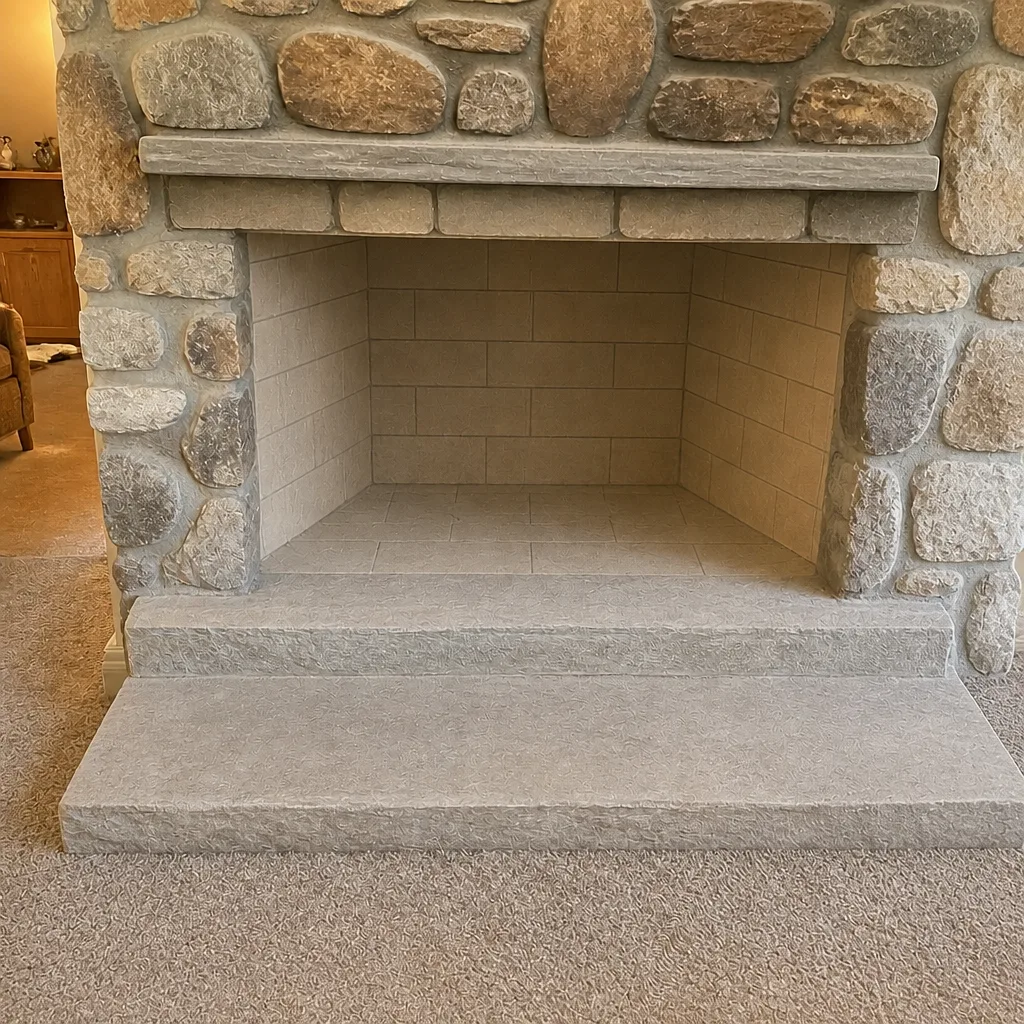
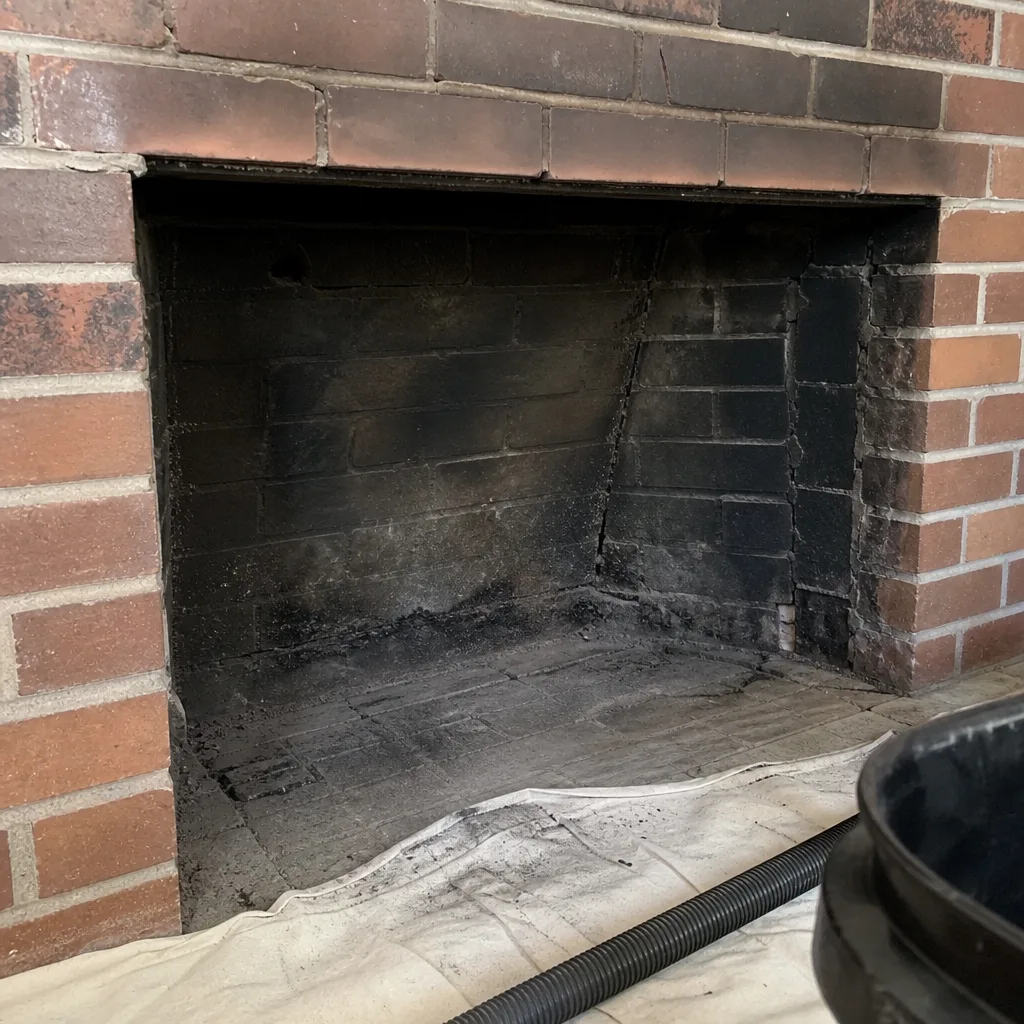
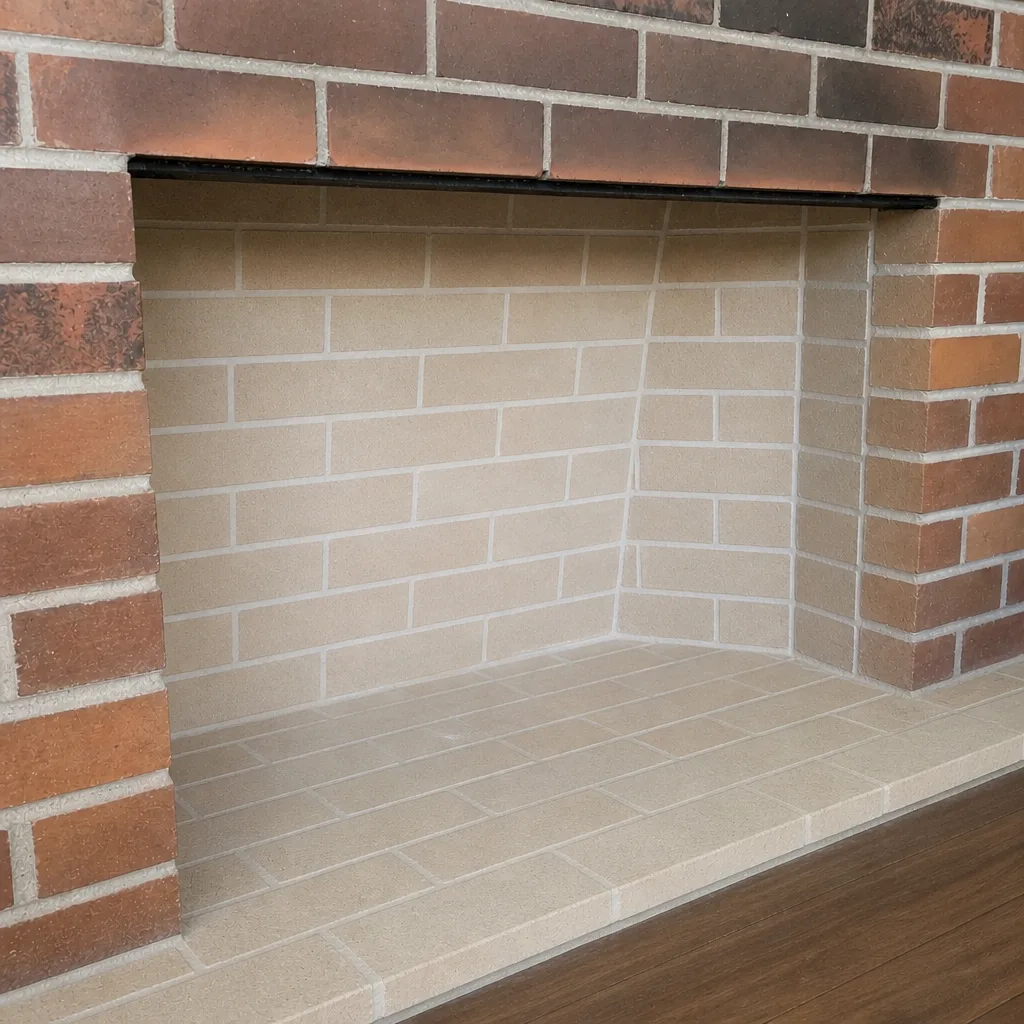
See the difference
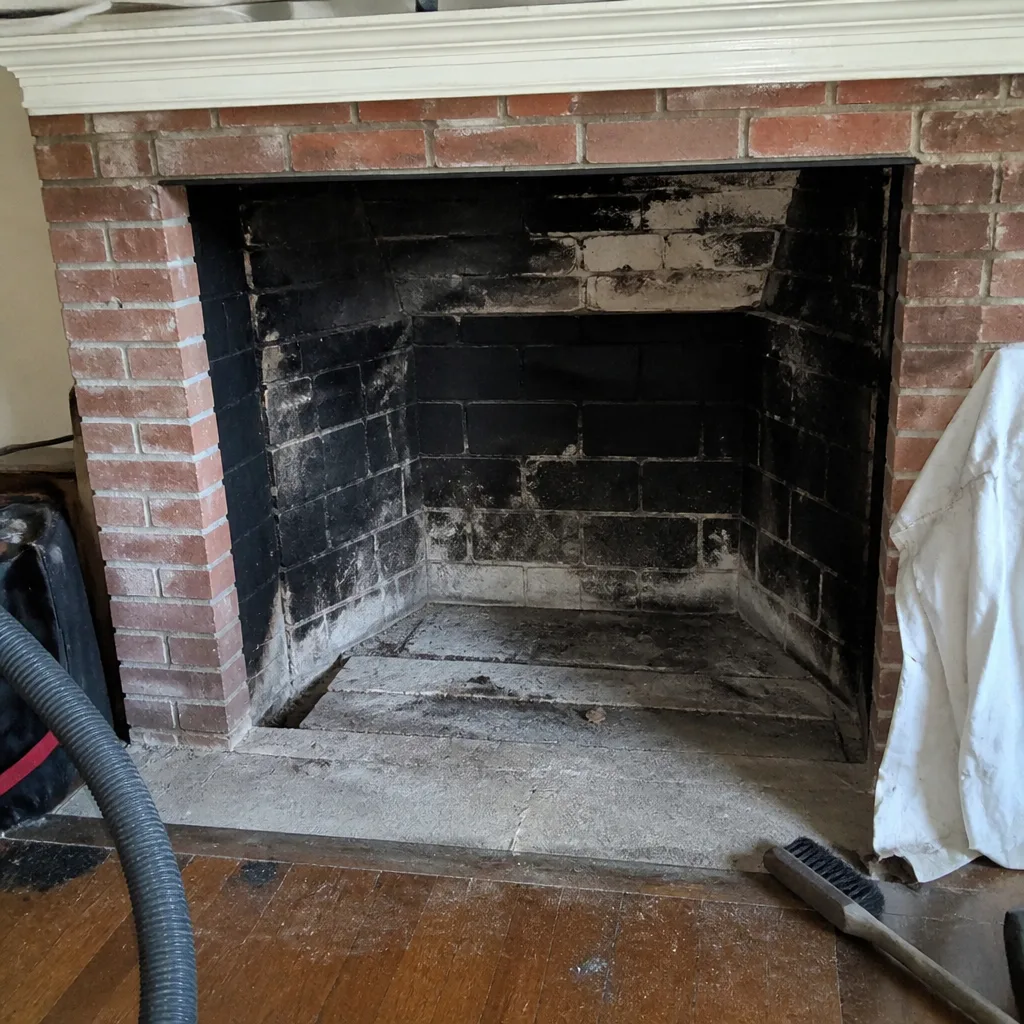 Before
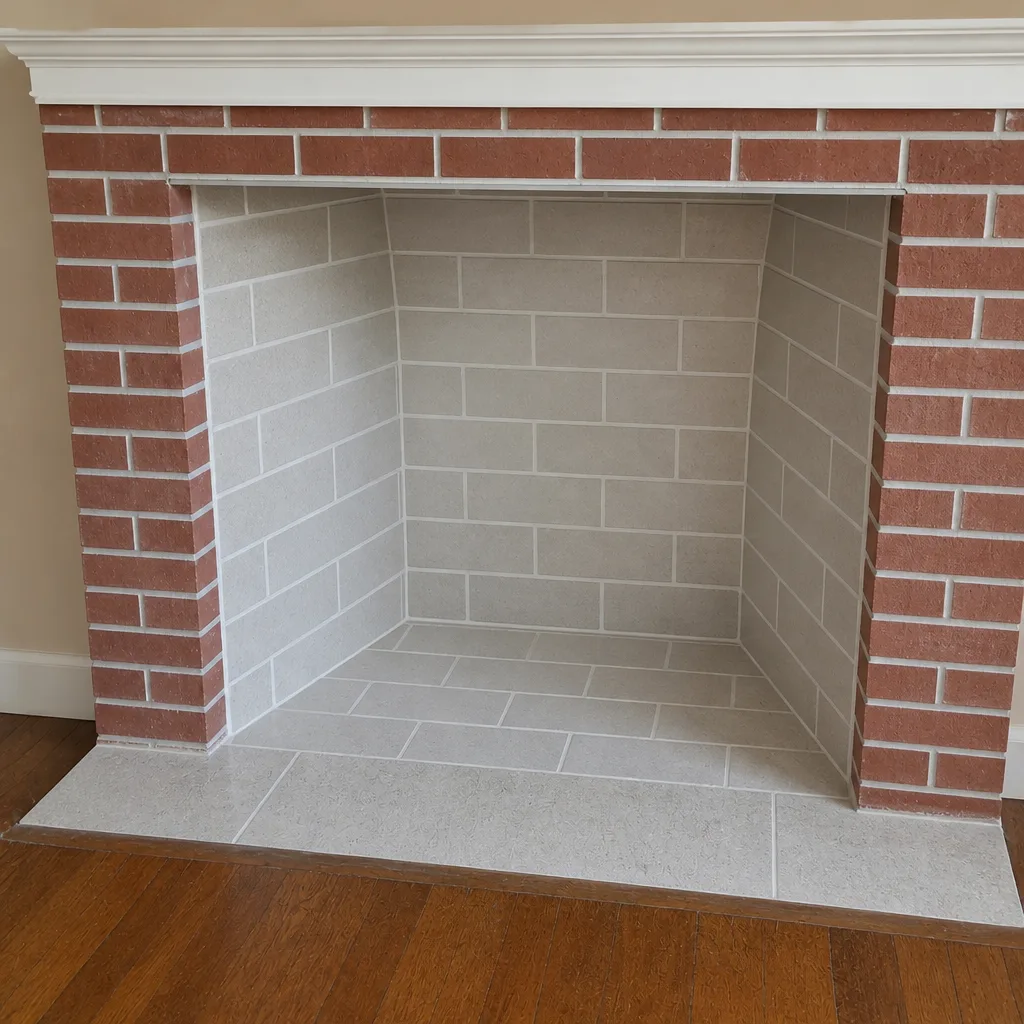 After
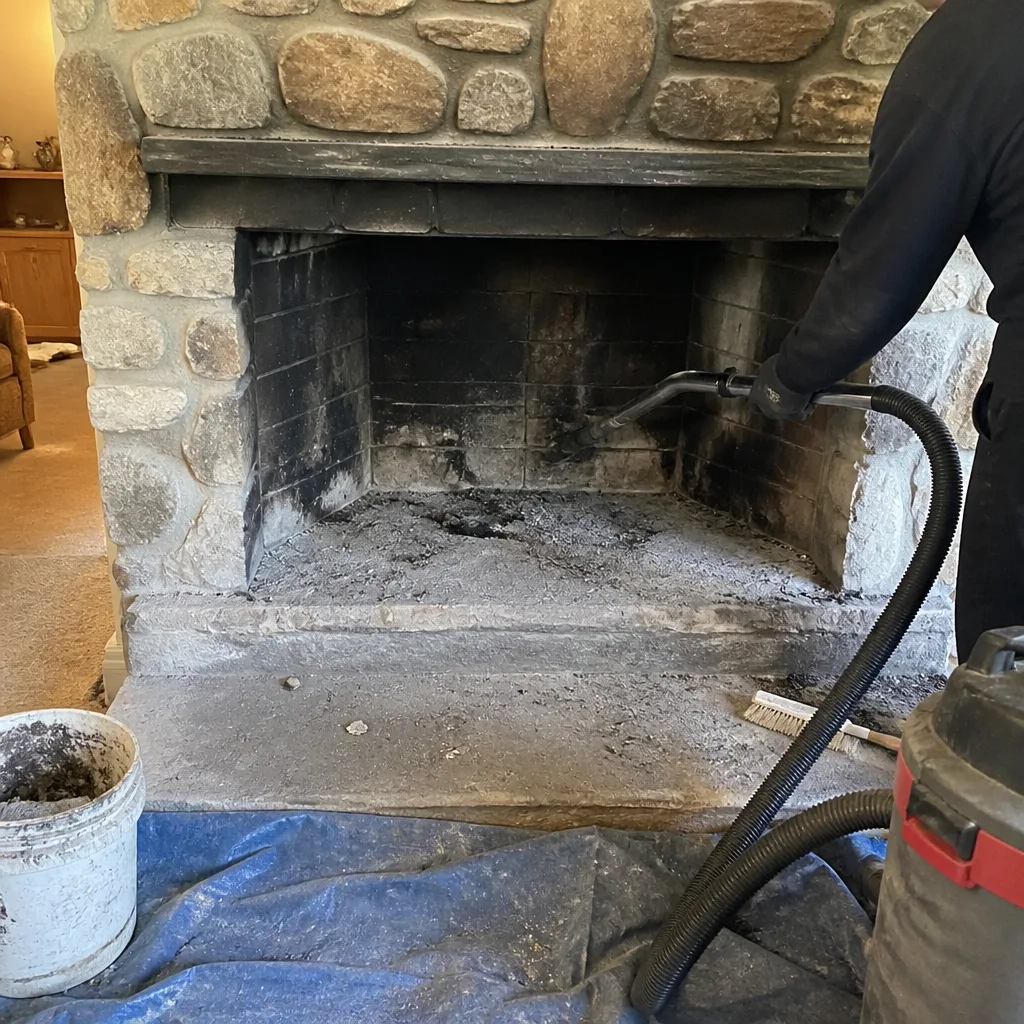 Before
 After
 Before
 After