
Last updated November 23, 2026
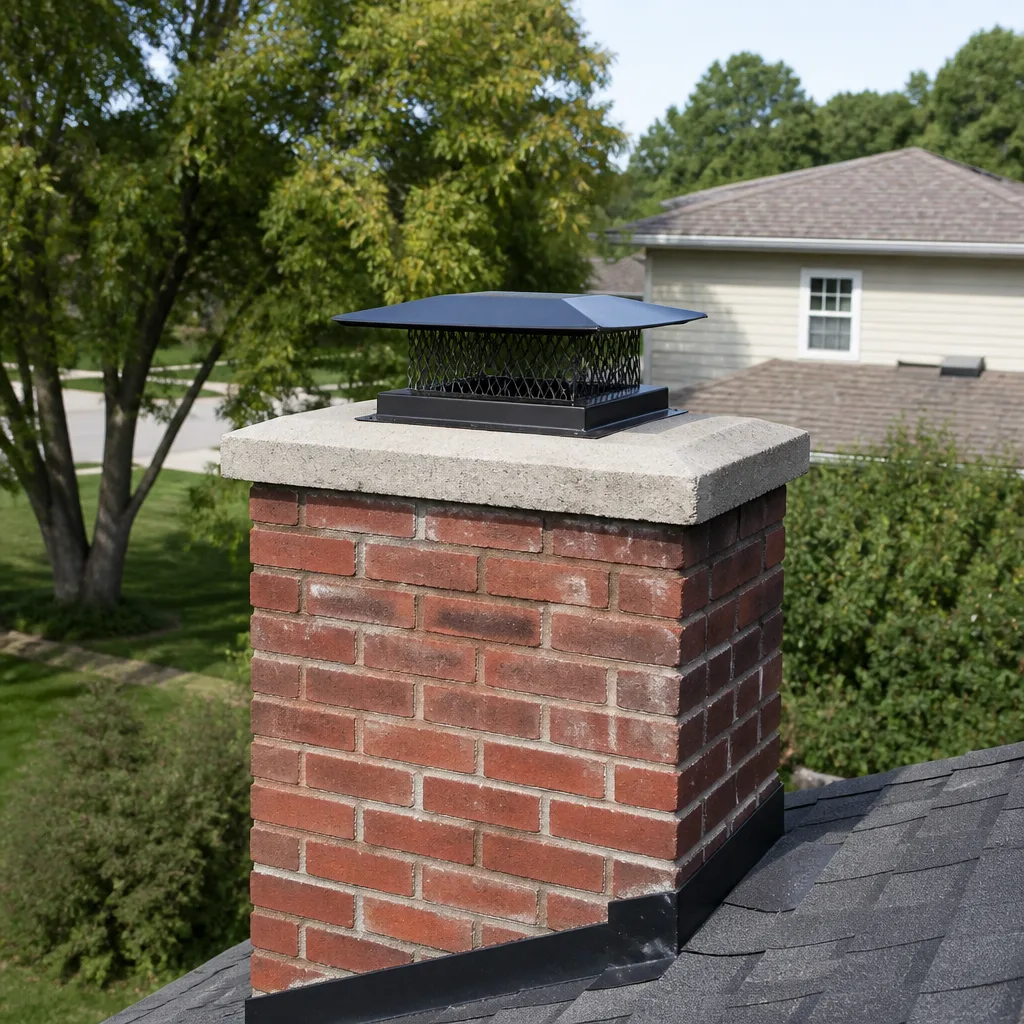 Sweep & inspection
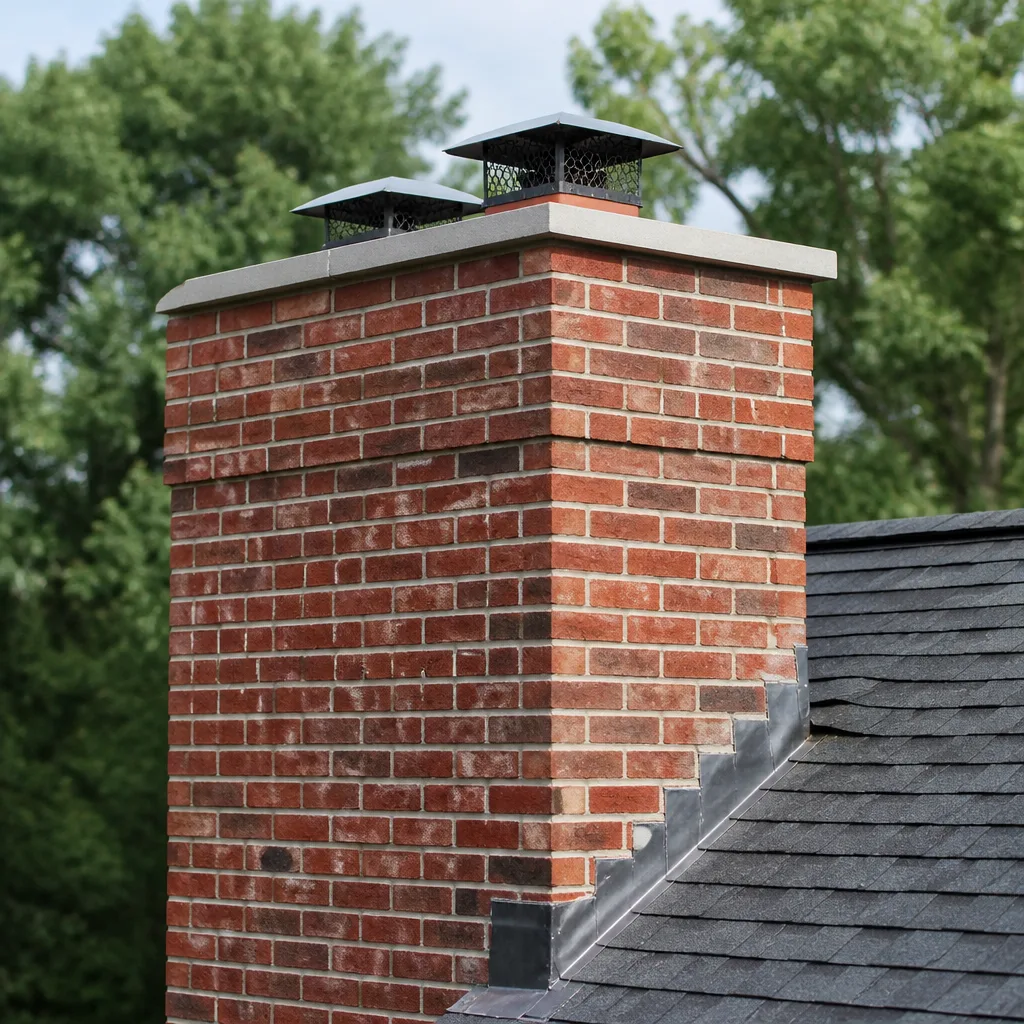 Caps & crowns
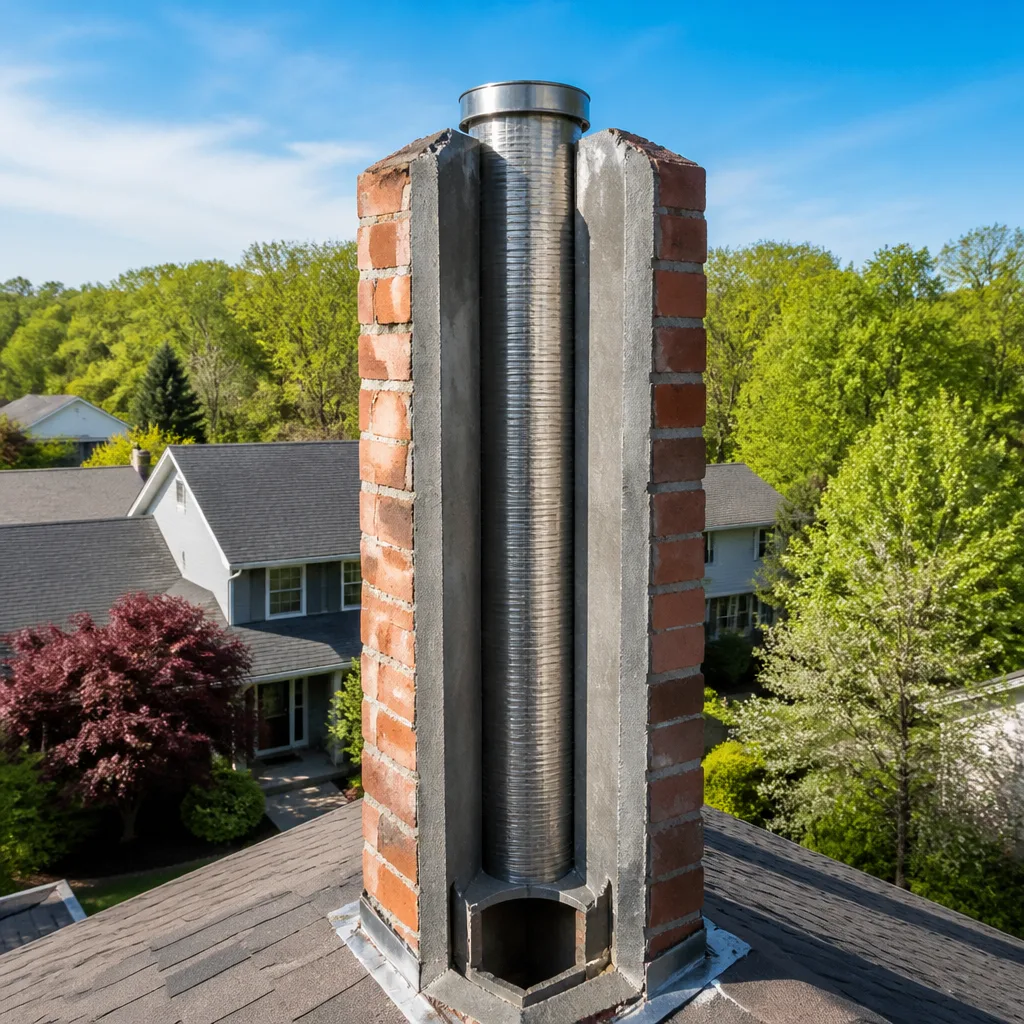 Flue relining
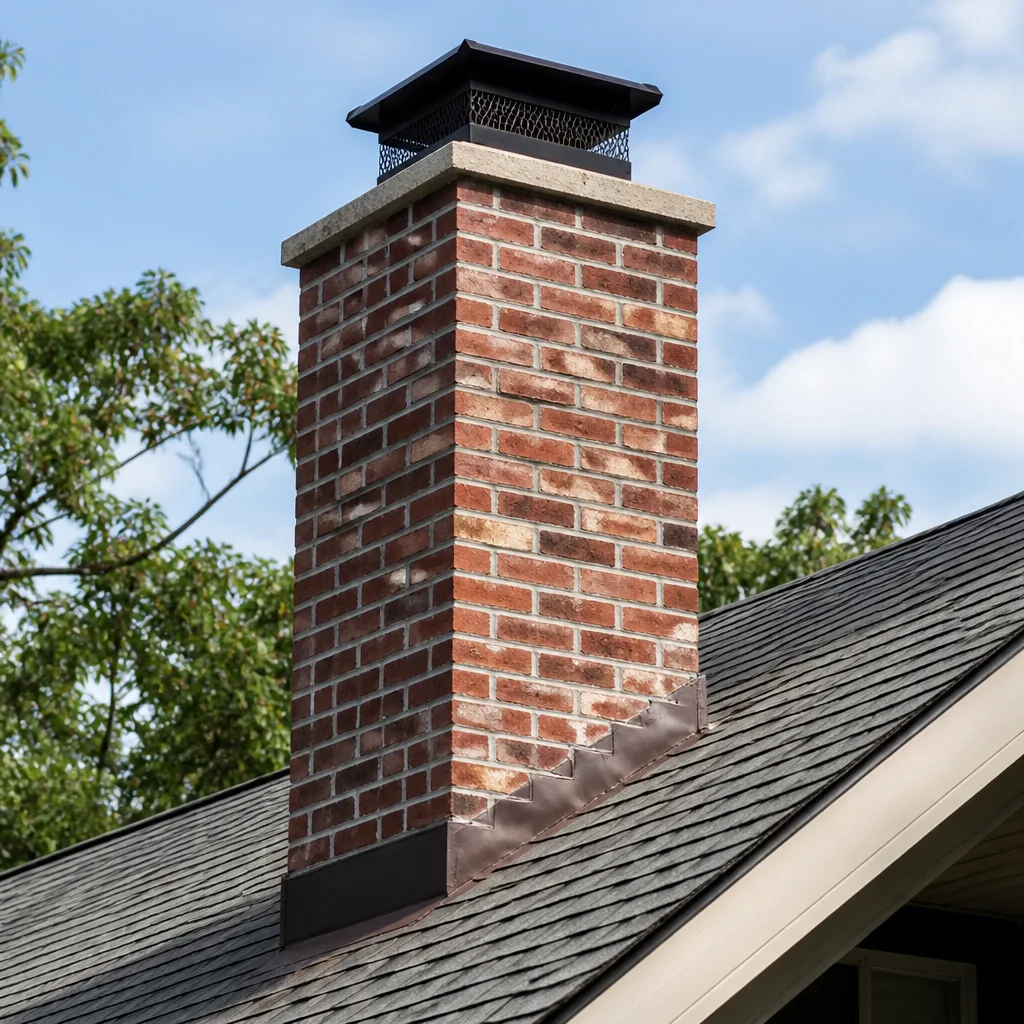 Masonry repair
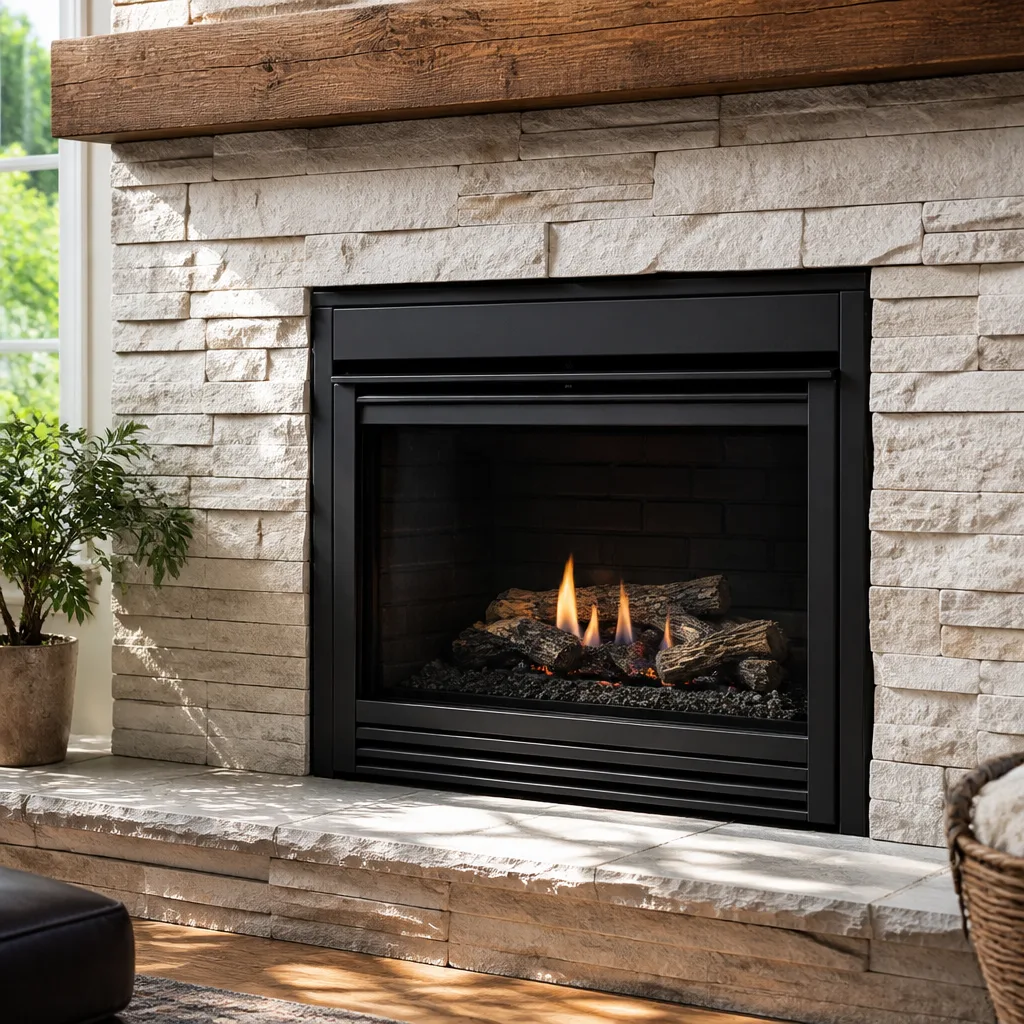 Gas fireplace service
Level 1 sweep and inspection to the NFPA 211 annual standard - flue, crown, cap, and flashing checked and photographed
Chimney sweep logs do not sweep chimneys. They loosen some creosote - which then falls where a brush and vacuum still have to collect it.
Seasonal Chimney Cleaning Care for Washington Square: Year-Round Homeowner’s Guide
The advice to “sweep your chimney before winter” was written for homes that run their fireplaces five months straight. In Washington Square’s climate, the more damaging season for chimney structure is often the wet spring, not the heating season itself. Mild winters here mean fewer fires and slower creosote buildup, while months of concentrated rain test crowns, mortar joints, and flue liners in ways a cold-climate guide never addresses. Homeowners who follow the standard calendar are often inspecting at the wrong time and repairing at the worst one. This guide maps chimney care to the actual Washington Square year: what each season does to your system, what to check and when, why summer is the smart window for structural work, and how to time a sweep so it lines up with real conditions. You’ll finish with a maintenance rhythm built for this climate rather than borrowed from a colder one.
Quick Answer
In Washington Square, chimney care runs on a rain-driven rhythm, not a cold-driven one. Book a sweep and inspection after the last fire of the season (late winter into early spring) so you catch creosote and water damage before the wet months, do structural repairs like crown and mortar work in the dry summer when masonry cures properly, and get a lighter inspection after the first fire of the new season to confirm everything’s clear. That’s three touchpoints a year, each timed to what the weather is actually doing.
Styles & brands we work with
- Sweep & inspection
- Caps & crowns
- Flue relining
- Masonry repair
- Gas fireplace service
Table of Contents
- Why Standard Chimney Advice Doesn’t Fit Washington Square
- What Washington Square’s Wet Season Does to Your Chimney
- When to Schedule a Post-Rain Inspection
- Why Summer Is the Right Time for Structural Repairs Here
- How Mild Winters Change Creosote Buildup
- First Fire vs. Last Fire: Two Different Inspections
- Wildlife in Unused Flues and How Timing Helps
- Your Washington Square Seasonal Chimney Calendar
Why Standard Chimney Advice Doesn’t Fit Washington Square
Most chimney maintenance guidance is written for regions where the heating season runs long and hard. The logic is simple: the more you burn, the faster creosote accumulates, so sweep once a year right before winter and you’re covered. That reasoning assumes cold, dry winters and a furnace that runs for months. Washington Square doesn’t work that way. Winters here are mild, fires are lighter and less constant, and the real stress on a chimney comes from the wet season rather than the cold one.
That shift matters more than it sounds. When cold is your main enemy, you worry about freezing and draft. When rain is your main enemy, you worry about water soaking into masonry, mortar joints softening, crowns cracking, and flue liners staying damp long enough to break down. Washington Square homeowners who follow the “sweep before winter” rule faithfully can still end up with a crown that’s failed and a liner that’s deteriorated, because they’ve been watching the wrong season.
A maintenance rhythm built for this climate looks different:
- Post-heating-season sweep and inspection catch creosote and any damage the winter exposed before the rain settles in.
- Summer structural work lets masonry, mortar, and crown repairs cure in dry, warm conditions.
- Early-season check after the first fire confirms the flue is clear and the system is ready for the cooler months.
- Ongoing water awareness through the wet months, with a post-rain inspection when something looks off.
None of this is more work than the standard advice. It’s the same three touchpoints, timed to the conditions that actually affect your chimney in Washington Square. It’s also a rhythm that treats your chimney as a system rather than a single task, which is how we approach it: cleaning, inspection, structural repair, and cap and crown work are all part of protecting the same structure.
What Washington Square’s Wet Season Does to Your Chimney
Water is the most persistent threat to a chimney, and in Washington Square the wet season concentrates that threat into a shorter, more intense window. Masonry is porous. It absorbs moisture, holds it, and slowly comes apart when that moisture works its way in, freezes, thaws, and pushes back out. But even without that cycle, prolonged dampness does real damage on its own.
Here’s where the water gets in and what it does:
- The crown. The concrete cap at the top of the chimney is your first line of defense. When it cracks or pulls away from the flue, rain runs straight down the inside of the chimney and into the masonry. A failed crown is one of the leading sources of chimney water damage.
- Mortar joints. The mortar between bricks is softer than the brick itself. Constant wetting and drying erodes it, opening gaps where water enters. Left long enough, the joints crumble and the brickwork above starts to lose support.
- The flue liner. A cracked or deteriorated liner lets water reach the structure around it, and a damp liner is a weaker liner. In gas appliances and older masonry flues, prolonged moisture accelerates breakdown.
- The cap. A missing or damaged chimney cap lets rain fall directly into the flue. The cap and crown are the two most common points of water intrusion, and they’re the two most often left unresolved by a sweep-only service.
In Washington Square, the wet season is when these weak points get tested. A chimney that looks fine in August can show staining, spalling brick, or a loose crown by the end of a wet stretch. That’s why we treat caps and crowns as a dedicated service rather than an afterthought: sealing the top of the chimney is the single most effective thing a homeowner can do to protect everything below it. When a cap and crown replacement is done right, using trade-grade components from suppliers like Gelco and Famco, the rest of the system has a chance to dry out and stay dry.
If you’re seeing rust on the firebox, white staining on exterior brick, or a musty smell near the hearth, water is already getting in. That’s a cue to schedule a chimney cap & crown inspection before the next wet season, not after.
When to Schedule a Post-Rain Inspection
Post-rain inspections in Washington Square aren’t a fixed date on the calendar, they’re a response to what the wet season revealed. The right time is after a stretch of rain, when the damage that’s going to show has shown. A chimney that passed inspection in a dry month can crack, spall, or loosen a crown once water has had time to work into it.
Here’s a simple decision walkthrough for when a post-rain inspection makes sense:
- After the first heavy rain stretch of the season. This is when existing weaknesses surface. Check for new staining on the exterior, water in the firebox, and a musty smell near the hearth.
- Any time you see a visible change. Loose mortar, a cracked crown, white efflorescence on brick, or rust in the firebox all warrant a look. Don’t wait for the next scheduled appointment.
- Before the heating season starts. A dry-weather inspection after the wet months catches what rain exposed, so repairs can be planned for the dry summer.
- After a wind or rain event that moved debris. A cap knocked loose or a nest soaked and dislodged can block the flue. An inspection confirms the flue is clear.
What we look for in a post-rain inspection is what’s changed. We’re checking the crown for cracks and separation, the mortar joints for softening, the cap for movement or damage, the flue liner for cracks and dampness, and the firebox and smoke chamber for water intrusion. An inspection identifies structural and safety issues that a surface cleaning would miss, and it gives you a picture of the whole system, not just the flue.
Post-rain inspections are also where we can tell you plainly when work can wait. Not every crack is urgent, and not every soft mortar joint needs immediate repair. What matters is knowing which is which, and getting that answer in plain language rather than a hard sell.
Why Summer Is the Right Time for Structural Repairs Here
If your chimney needs structural work (crown repair, mortar repointing, relining, or resurfacing), summer is the season to do it in Washington Square. The reason is straightforward: masonry and mortar need dry, warm conditions to cure correctly. A crown poured in a wet month, or mortar repointed before a rain stretch, can set poorly and fail early. In this climate, the window between the wet season and the next one is the time to get the work done right.
Summer also solves a scheduling problem. Chimney work is seasonal for most homeowners, and demand climbs as the heating season approaches. Booking structural work in the dry summer means you’re not competing with everyone who waited until fall. The work gets done on a sensible timeline, cures properly, and the chimney is ready long before the first fire.
What structural work belongs in the summer window:
- Crown and cap replacement. Poured and installed in dry weather, they set correctly and protect the chimney through the next wet season.
- Mortar repointing. Joints rebuilt in dry conditions set hard and stay put.
- Chimney relining. Flexible liner systems like DuraFlex are installed and secured without weather complicating the job.
- Flue resurfacing. HeatShield ceramic resurfacing repairs compromised liners, and dry conditions help the application cure properly.
- Fireplace repair. Brickwork, firebox, and damper work all benefit from the same dry window.
In our experience, the homeowners who treat summer as repair season end up with fewer problems once the wet season returns. The work is done, cured, and tested by the time the rain comes back. A chimney sweep and inspection in late spring tells you what needs doing, and the summer gives you the time to do it without rushing. When the work is finished, the next inspection (after the first fire of the season) confirms everything’s functioning the way it should.
Trade-grade materials matter here as much as timing. A crown poured with the right mix and a cap from a professional supplier like Copperfield or Famco hold up far better than hardware-store substitutes installed in a hurry.
How Mild Winters Change Creosote Buildup
Creosote is the byproduct of incomplete combustion, and how fast it builds up depends on how you burn. In a cold climate, a fireplace runs hot and often, which tends to produce a drier, flakier creosote that a sweep removes cleanly. In Washington Square’s milder winters, fires are lighter, less frequent, and the flue spends more time cool between burns. That combination produces a different creosote profile: slower accumulation, but often a stickier, glazed type that’s harder to remove and more flammable when it does build up.
That’s the counterintuitive part. A homeowner who burns a few times a month through a mild winter might assume there’s less to worry about, and in total volume there is. But the type of creosote matters as much as the amount. Cool, slow, smoldering fires deposit the kind of creosote that a sweep needs to work harder at, and that’s the kind that poses the greater chimney fire risk.
What this means for Washington Square homeowners:
- Don’t skip the annual sweep just because you burned less. Volume isn’t the only measure; the type of creosote is what matters.
- Burn hot, not slow. A well-seasoned fire that burns hot and clean produces less of the glazed creosote that mild weather encourages.
- Sweep after the heating season, not before. You’re clearing what the winter actually produced, not what you expect it to.
- Get a professional assessment if you’ve burned a lot of cool, smoldering fires. Glazed creosote sometimes needs more than a standard sweep to remove safely.
Creosote is flammable, and a chimney fire is a real risk when it accumulates. We don’t say that to alarm anyone. We say it because it’s the reason an annual sweep isn’t optional, even in a mild climate. The good news is that in Washington Square, a lighter heating season means a more predictable maintenance rhythm: one sweep a year, timed after the last fire, keeps the flue in good shape.
First Fire vs. Last Fire: Two Different Inspections
Homeowners often think of a chimney inspection as a single annual task, but the inspection after the first fire of the season and the one after the last fire serve two completely different purposes. Treating them as one loses half the information.
After the first fire of the season, the goal is readiness. You’re confirming the system is clear, safe, and functioning after months of disuse. What we check:
- The flue is clear of debris, nests, and any buildup from the off-season.
- The damper opens and closes properly.
- The firebox and smoke chamber are intact and free of water damage from the wet season.
- The cap is secure and the crown is intact.
- There’s no obstruction or animal activity in the flue.
After the last fire of the season, the goal is assessment. You’re looking at what the heating season produced and what needs attention before the wet months. What we check:
- Creosote accumulation, and whether it needs a sweep.
- Any damage the winter exposure caused: cracks, loose mortar, liner deterioration.
- Water intrusion that may have occurred during the heating season.
- Whether any repairs should be scheduled for the dry summer window.
The difference is readiness versus diagnosis. The first-fire inspection makes sure nothing prevents you from using the chimney. The last-fire inspection tells you what to fix before the rain returns. In Washington Square, both matter, but the last-fire inspection is the one that plans your summer work and protects you through the wet season. A fireplace repair need caught at this inspection gets handled in the dry window, not scrambled together mid-rain.
Wildlife in Unused Flues and How Timing Helps
A chimney that sits unused through the dry season makes an attractive home for birds, squirrels, and other wildlife looking for shelter. Washington Square’s dry summer months are exactly when flues go quiet, which is precisely when animals move in. A nest in the flue blocks the chimney, creates a fire risk, and can bring debris and droppings into your home. By fall, a homeowner who light a fire without checking can find the flue blocked and the house filling with smoke.
Timing is the simplest defense. Here’s how seasonal care minimizes the problem:
- Inspect in late spring, after the last fire. Catching a nest early means it’s removed before it’s fully built and before animals settle in for the season.
- Keep a cap in good repair year-round. A properly fitted cap with mesh screening is the single most effective way to keep wildlife out. Caps and crowns are a dedicated service here because they solve a problem that a sweep alone doesn’t.
- Do a fall check before the first fire. Even with a cap, a late-season nest or a dislodged component can obstruct the flue. A quick inspection before the first burn confirms it’s clear.
- Address any signs of activity immediately. Scratching, chirping, or a blocked draft are cues to have the flue inspected, not reasons to wait.
A cap from a trade supplier like Gelco or Olympia Chimney, properly installed, is what makes the wildlife problem manageable. It also protects the flue from rain, which ties directly into the water damage issue. One well-fitted cap handles both problems at once, and that’s part of why we treat cap and crown work as its own service rather than a detail tacked onto a sweep.
Your Washington Square Seasonal Chimney Calendar
Here’s the full annual rhythm in one place, built for Washington Square’s mild winters and concentrated wet season. Follow this and you’re caring for your chimney in step with the actual conditions, rather than a cold-climate template.
| Season | What to Do | Why It Matters Here |
|---|---|---|
| Late winter / early spring | Sweep and inspection after the last fire | Clears creosote and catches winter damage before the wet season |
| Spring | Post-rain inspection if you see staining, spalling, or water | The wet season exposes crown, mortar, and liner weaknesses |
| Summer | Structural repairs: crown, cap, relining, resurfacing, repointing | Dry, warm conditions let masonry and mortar cure correctly |
| Early fall | Inspection before the first fire | Confirms the flue is clear of nests and debris, system is ready |
| Mild winter | Burn hot and clean; annual sweep already booked | Mild, cool fires produce sticky, glazed creosote; sweep is still needed |
The calendar isn’t rigid. A storm, a visible change, or a suspicious smell means an inspection sooner. But as a default rhythm, these five touchpoints cover the year and match what Washington Square’s climate actually does to a chimney.
Common Mistakes to Avoid
- Sweeping only in the fall. The standard “sweep before winter” advice misses the wet season, which is when water damage does the most harm here. Sweep after the heating season so you catch both creosote and winter damage at once.
- Ignoring a cracked crown. A cracked crown is one of the leading sources of water damage. It’s easy to overlook because it’s out of sight, but it needs fixing before the wet season, not after.
- Scheduling structural repairs in the wet months. Mortar and masonry need dry conditions to cure properly. Crown and mortar work poured before a rain stretch can fail early. Use the summer window.
- Skipping the sweep because you burned less. Mild winters mean less volume but a stickier, more flammable creosote. Skip the sweep and you miss the risk that actually matters in this climate.
- Leaving the flue uncapped through the dry season. An uncapped flue invites wildlife, rain, and debris. A properly fitted cap solves all three.
- Treating first-fire and last-fire inspections as the same thing. One is about readiness, the other about diagnosis. Doing only one leaves half the picture.
- Waiting for a problem to become urgent. Repairs done in the dry window are planned, cured correctly, and less disruptive than work scrambled together when the rain returns.
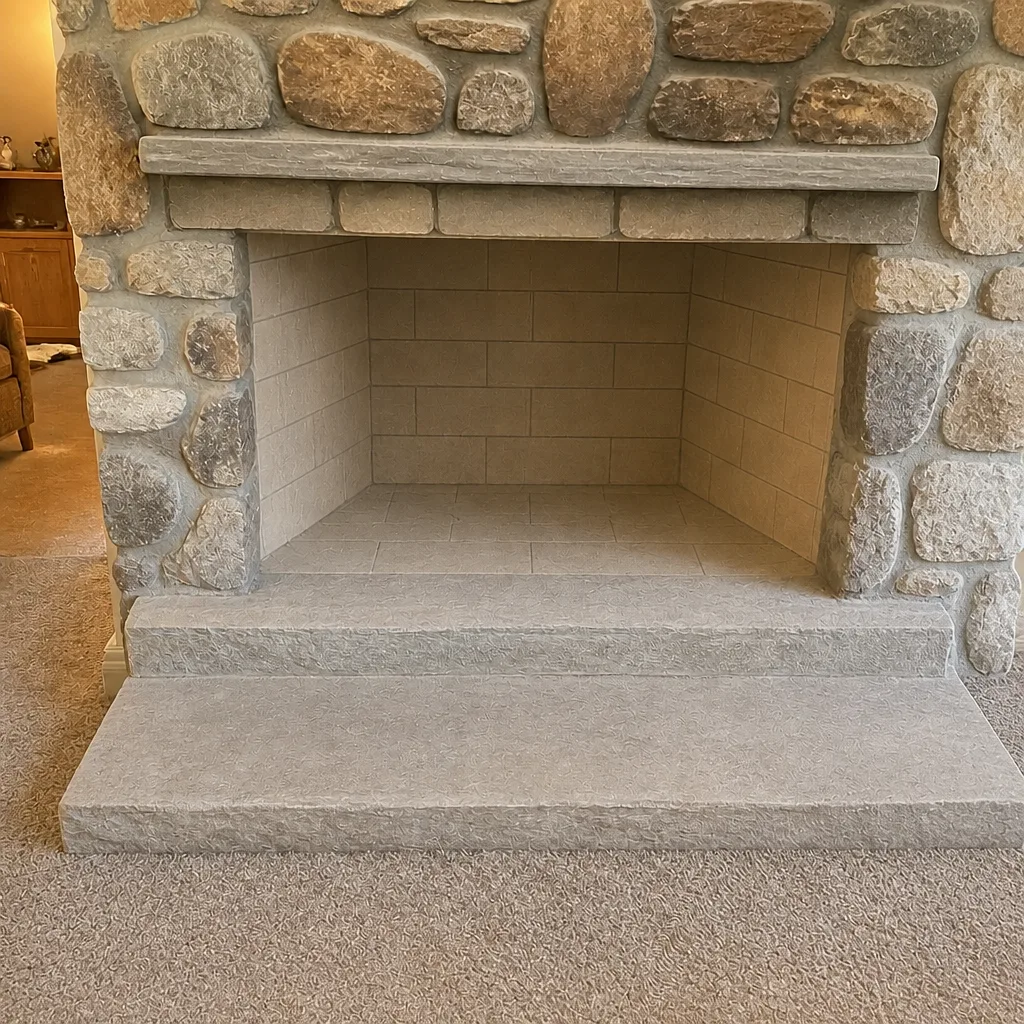
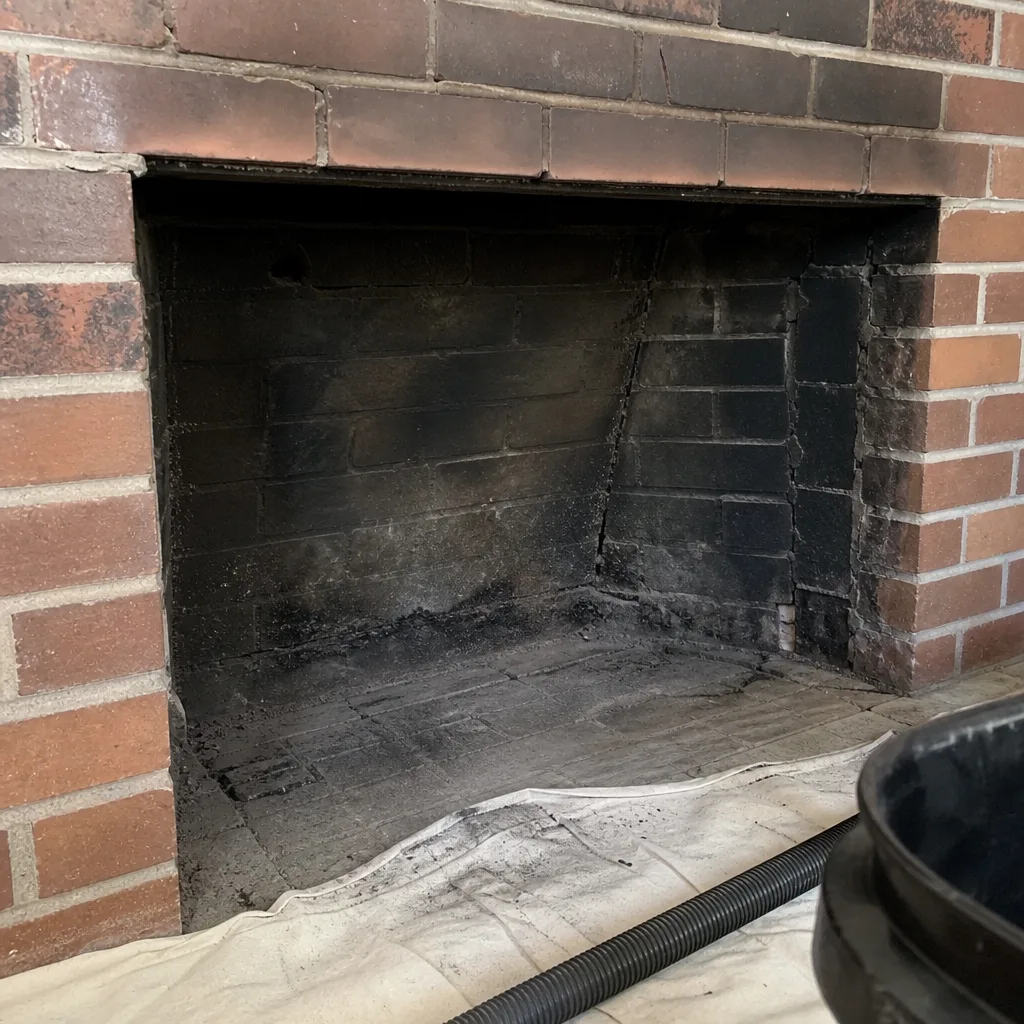
See the difference
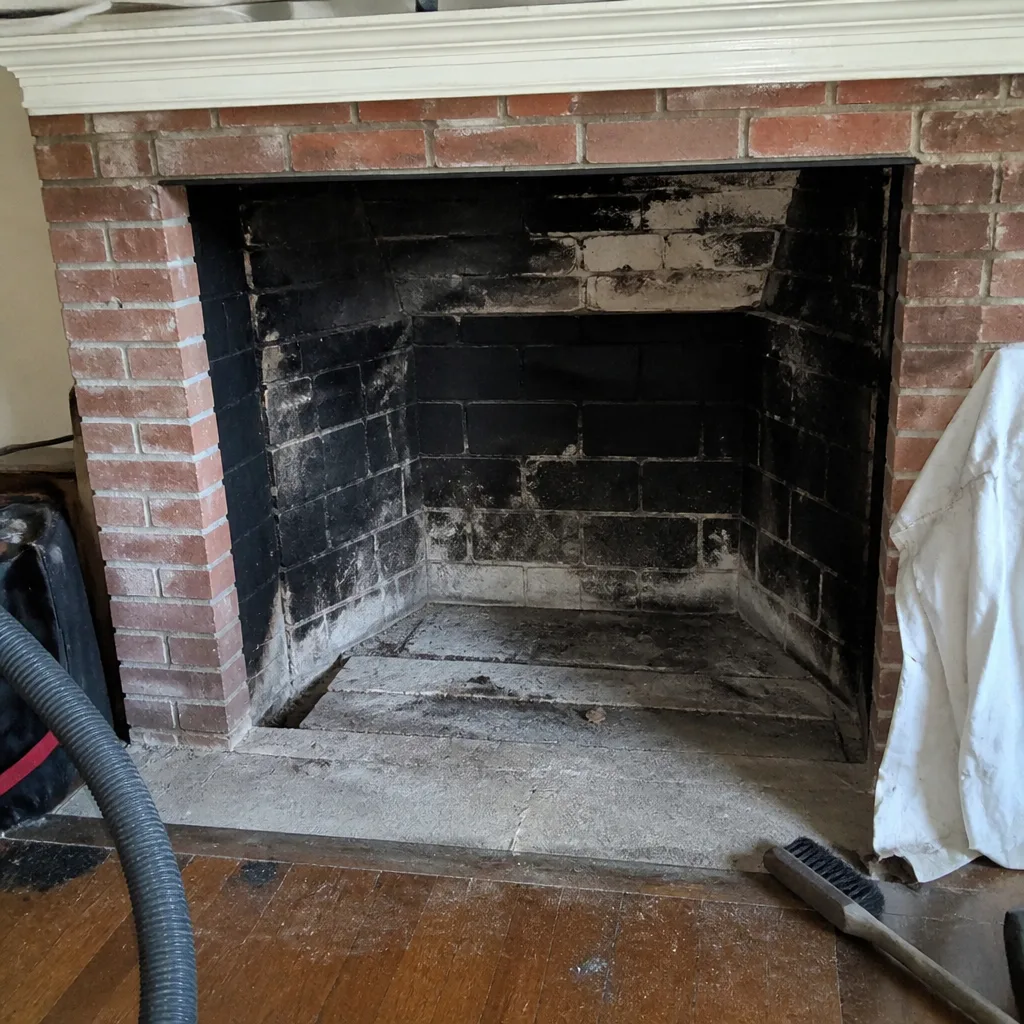 Before
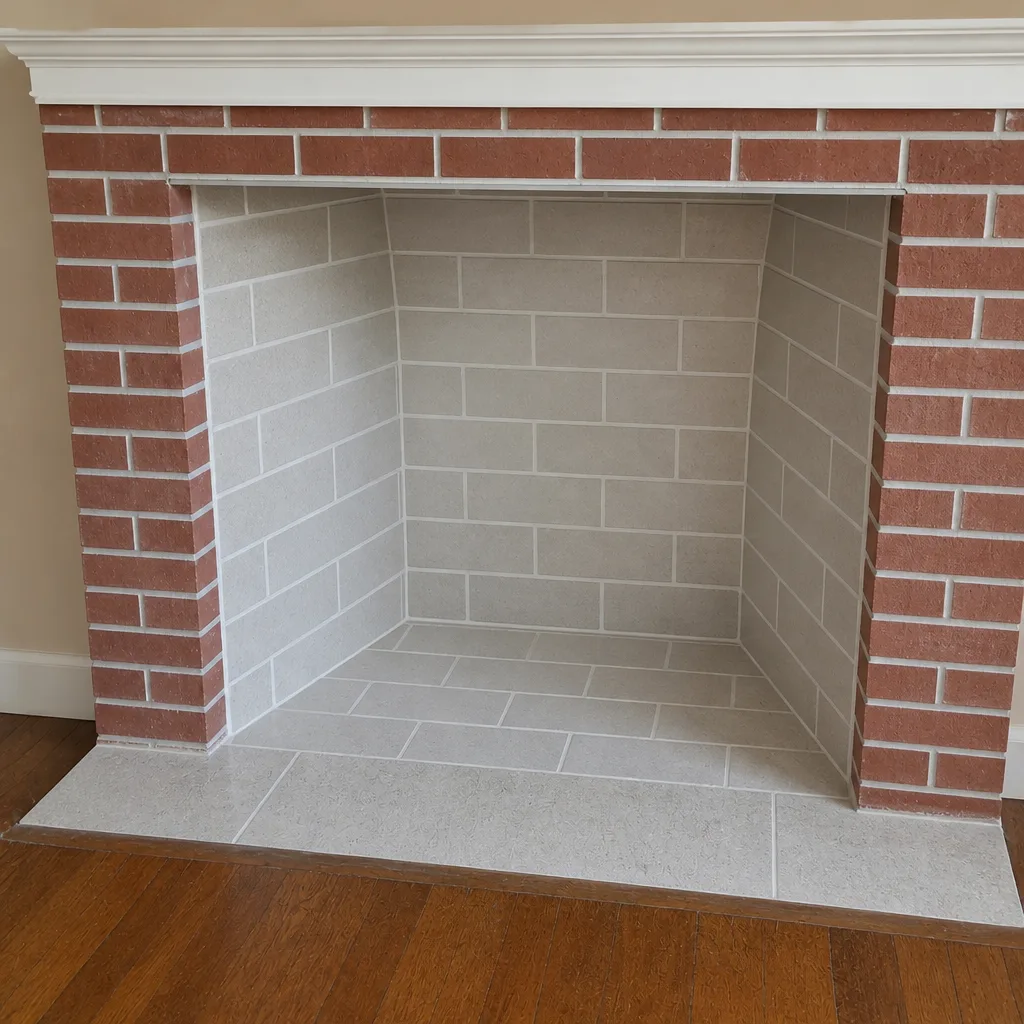 After
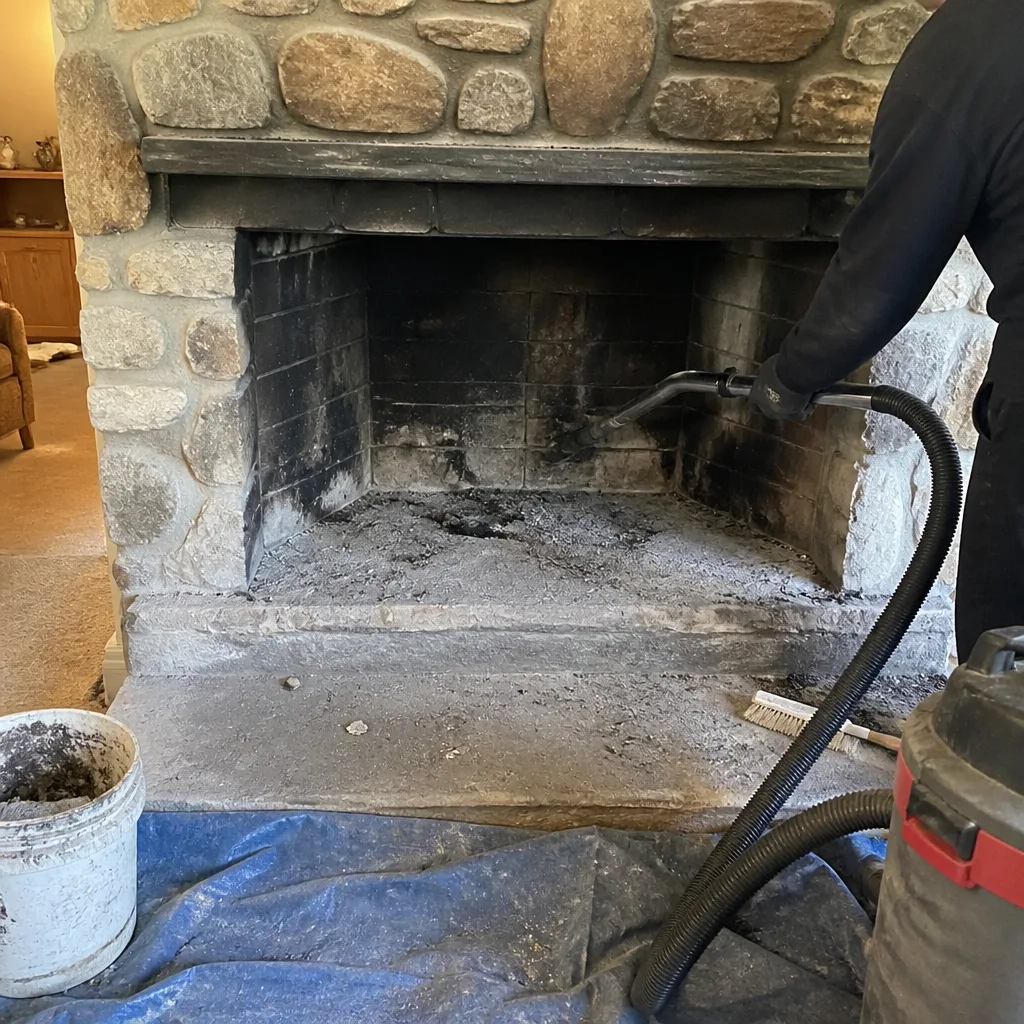 Before
 After
 Before
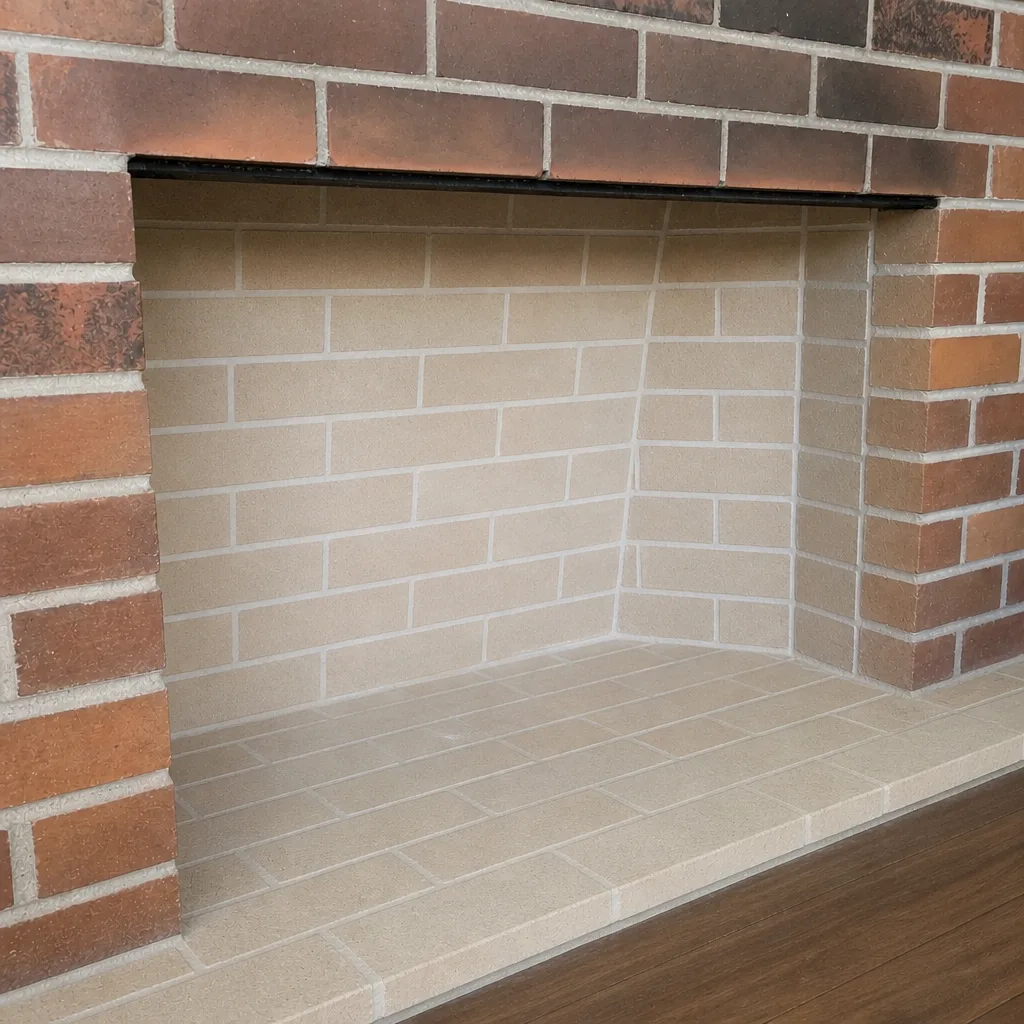 After
When to Call a Professional
Some chimney care is a matter of timing; some is a matter of safety. Call a professional when you see water staining on the exterior brick, rust in the firebox, a cracked or separated crown, loose mortar, or a cap that’s loose or missing. Call if you smell smoke in the house when the fireplace is running, if the draft is weak or inconsistent, or if you’ve had a chimney fire. Call if a flue has sat unused and may have attracted wildlife. And call if you’ve been told by a home inspector or insurer that repairs are needed, because a specialist sees the whole system where a generalist sees a cleaning job. High-tension components and structural work on a compromised flue aren’t a do-it-yourself project; a trained professional handles them safely. Chimney Sweep Washington Square offers free estimates in Washington Square. Call (833) 513-8794. We answer 24/7. Fast dispatch from 7am to 7pm, Sunday through Friday.
Frequently Asked Questions
Once a year, timed after the last fire of the season, is the baseline for most Washington Square homes. Even with mild winters and lighter use, the creosote that builds up here tends to be stickier and more flammable, so the annual sweep isn’t something to skip. If you burn heavily or notice a lot of cool, smoldering fires, a professional assessment can tell you whether more frequent cleaning is warranted. Call (833) 513-8794 for an exact quote. Estimates are free.
Summer is the best window for structural repairs in Washington Square. Dry, warm conditions let masonry, mortar, and crown repairs cure correctly, and demand is lower than in the fall. Getting crown, cap, relining, or repointing work done in the dry months means the chimney is protected well before the wet season returns. Call (833) 513-8794 to book an estimate.
Not always. A liner needs replacing when it’s cracked, deteriorated, or no longer suitable for the appliance it serves, and that’s something an inspection determines rather than a guess. Flexible liner systems like DuraFlex are the common fix when a liner has failed. Because the recommendation depends on what the inspection finds, the honest answer is to get it inspected rather than assume. Call (833) 513-8794 for an exact quote. Estimates are free.
Skipping maintenance lets two problems build at once: creosote in the flue and water damage in the structure. In this climate, the water side is often the bigger issue, because a failed crown or soft mortar lets rain in through the wet season. Creosote poses a chimney fire risk. Neither is immediate every time, but both get more expensive the longer they go. Call (833) 513-8794 for an exact quote.
A standard chimney sweep is priced per job by a written estimate, so the exact figure depends on your chimney’s condition and what the inspection finds. Call (833) 513-8794 for an exact quote. Estimates are free. The price is set before any work begins, so there are no surprises.
Yes. Water is the most persistent threat to a chimney, and in Washington Square the wet season concentrates that threat into a shorter, more intense window. Rain soaks into porous masonry, softening mortar joints, cracking crowns, and deteriorating liners. That’s why a post-rain inspection matters here, and why a properly fitted cap and crown from a professional supplier like Copperfield is worth getting right. Call (833) 513-8794 for an exact quote.
The Bottom Line
Chimney care in Washington Square runs on a different clock than the standard advice assumes. The wet season, not the heating season, is what stresses your system most. Sweep and inspect after the last fire, watch for water damage through the wet months, do structural repairs in the dry summer, and check the flue before the first fire. That rhythm covers creosote, water damage, wildlife, and structural wear in step with the actual weather. Trade-grade materials and a whole-system inspection make each step count. If you’d rather have a professional map it out for you, that’s what we do. Chimney Sweep Washington Square handles the full system, from sweep to repair. Call (833) 513-8794 for a free estimate. We answer 24/7. Fast dispatch from 7am to 7pm, Sunday through Friday.
Written by the team at Chimney Sweep Washington Square.