
Last updated November 23, 2026
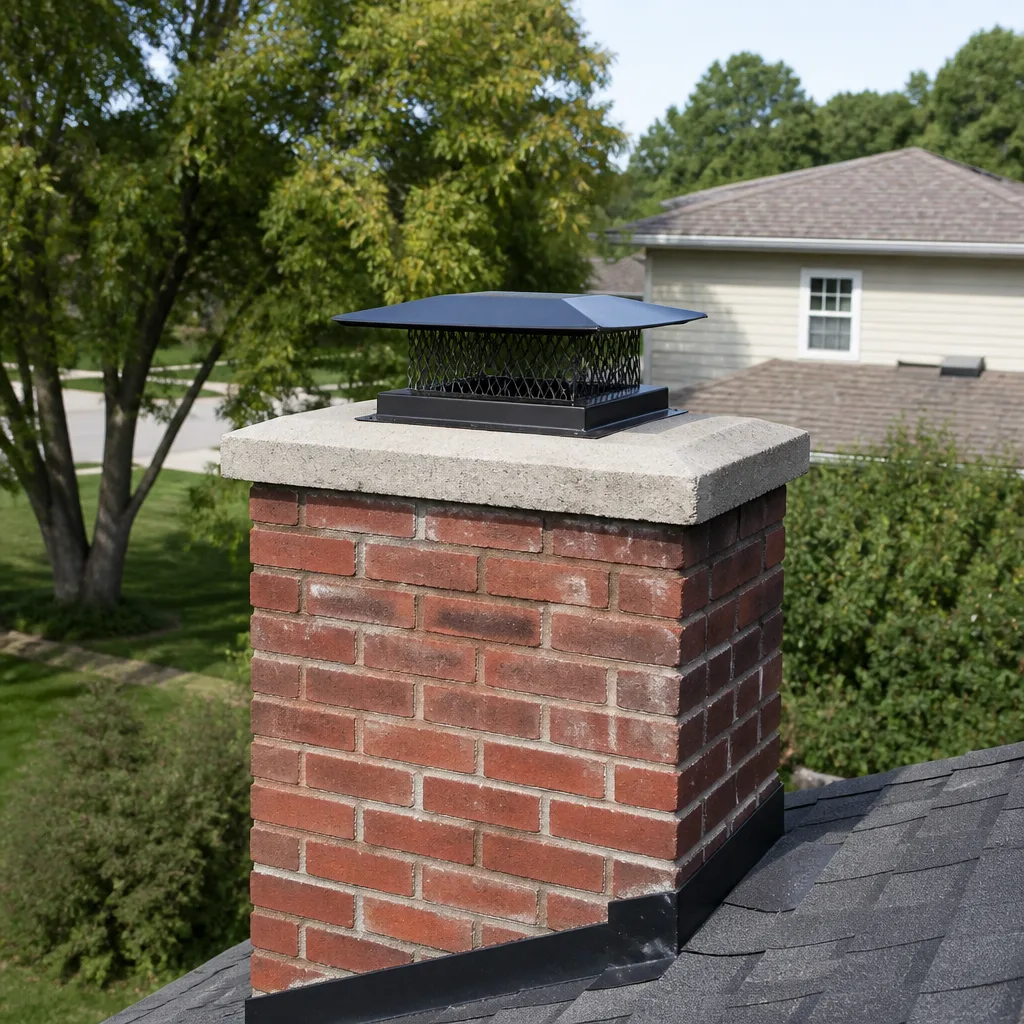 Sweep & inspection
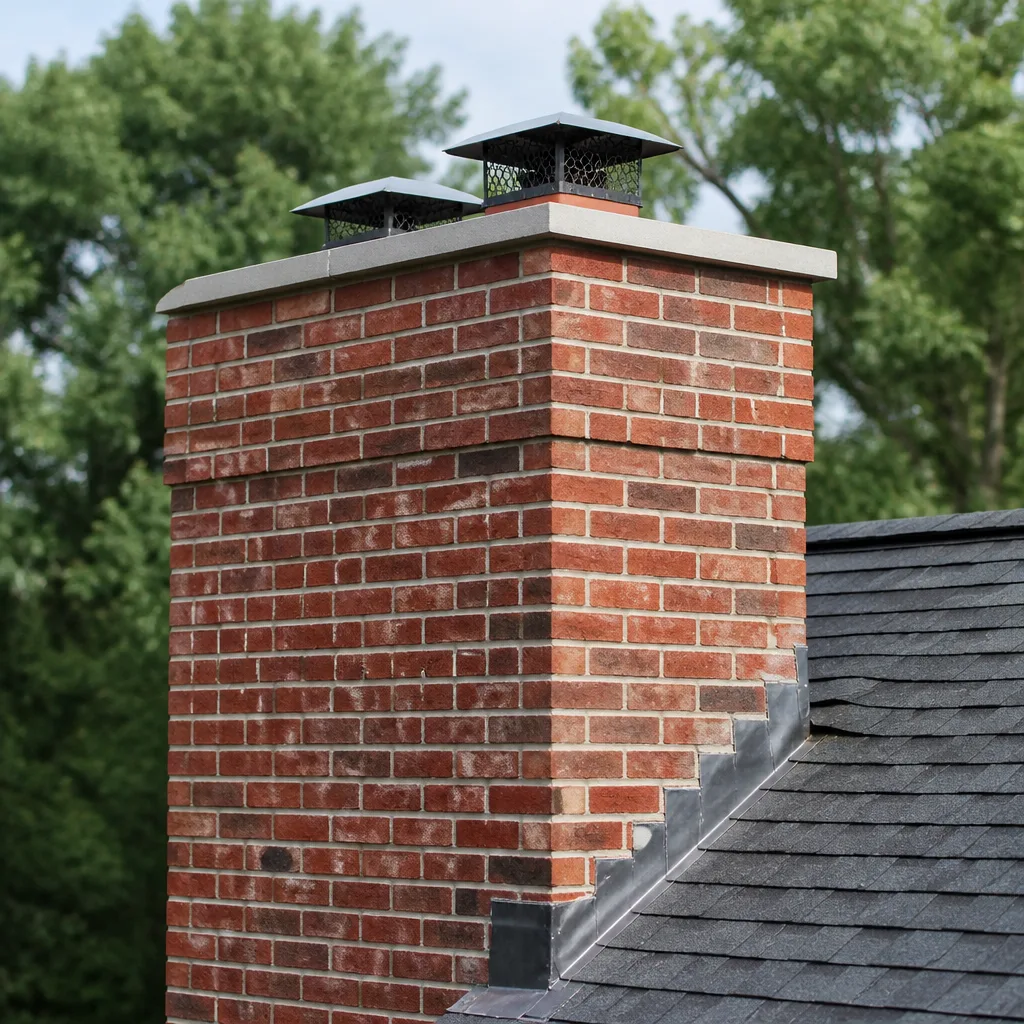 Caps & crowns
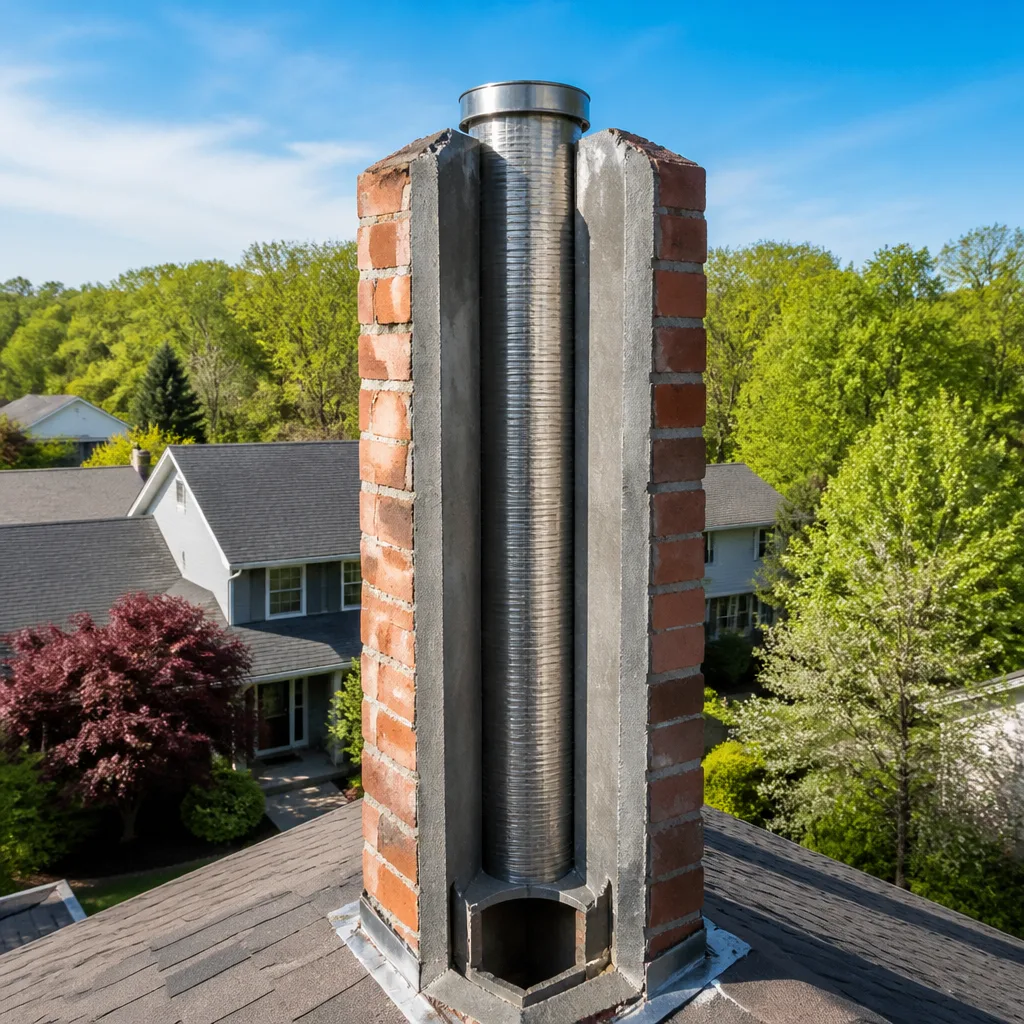 Flue relining
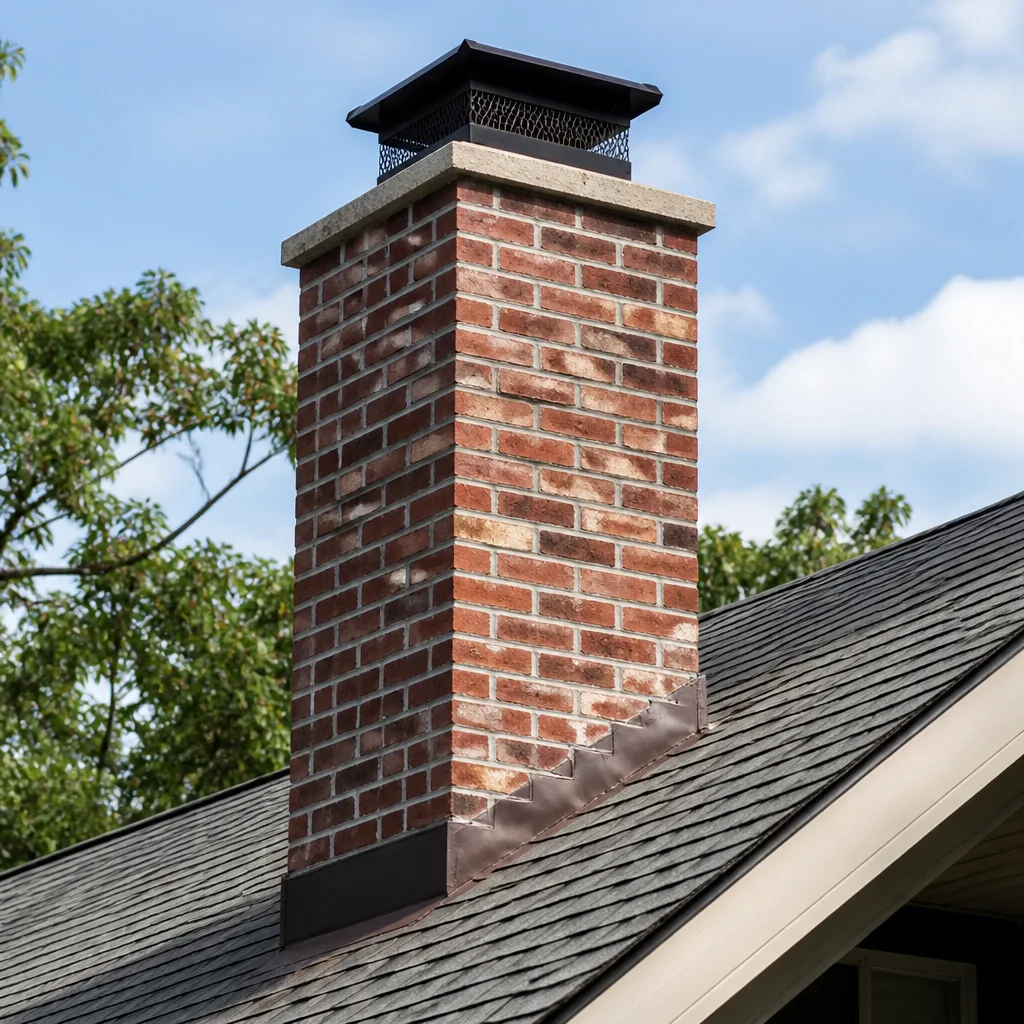 Masonry repair
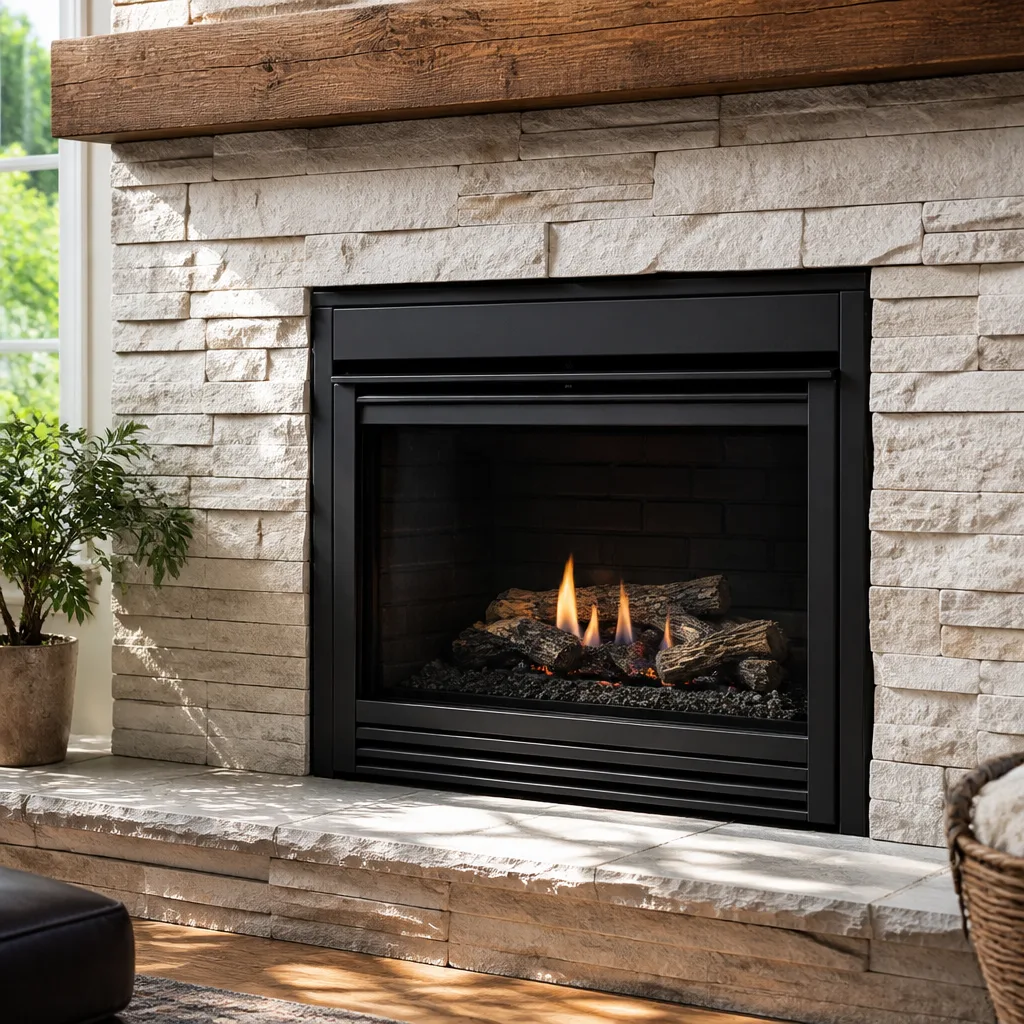 Gas fireplace service
Level 1 sweep and inspection to the NFPA 211 annual standard - flue, crown, cap, and flashing checked and photographed
Chimney sweep logs do not sweep chimneys. They loosen some creosote - which then falls where a brush and vacuum still have to collect it.
Chimney Sweep Maintenance Checklist for Washington Square Homeowners
The chimney cap, the crown, and the mortar joints are three separate components with three different lifespans. Most homeowners don’t learn any of them exist until one fails and water starts working its way into the flue. A checklist that only covers sweeping misses the parts of the system that quietly degrade between cleanings. This guide gives Washington Square homeowners something they can actually use year after year: a component-by-component checklist, a way to log it, and clear guidance on what you can safely check yourself versus what needs a camera and a trained eye. It’s written to be returned to, not printed once and lost.
Quick Answer
A working chimney maintenance checklist for a Washington Square home should cover seven components: firebox, damper, smoke chamber, flue liner, crown, cap, and exterior masonry. Check the cap and visible crown cracking yourself before each fall, and book a professional sweep and camera inspection annually. Any cracked flue tile, loose cap, or crumbling crown means a call now, not a call next season.
Styles & brands we work with
- Sweep & inspection
- Caps & crowns
- Flue relining
- Masonry repair
- Gas fireplace service
Table of Contents
- The Component-by-Component Checklist
- What You Can Safely Check Yourself
- What Requires a Camera Inspection
- Seasonal Timing for Washington Square
- Building a Multi-Year Maintenance Log
- Red-Flag Conditions That Stop the Checklist
- Common Mistakes to Avoid
- When to Call a Professional
The Component-by-Component Checklist
A chimney is a system, and each part of it wears at a different rate. Treating it as a single unit is why so many Washington Square homeowners end up surprised by a repair they didn’t see coming. Here’s what to track on each component, in the order smoke travels.
Firebox
The firebox takes the most direct heat. Look for cracked firebrick, crumbling mortar between the bricks, and any gap where the firebox meets the surrounding masonry. Hairline cracks in the brick face are common and often benign; open joints and displaced bricks are not. This is the one interior component a homeowner can inspect with a flashlight and no tools.
Damper
Open and close it fully. It should move without grinding, seat flush when closed, and stay open on its own. A damper that sticks open wastes heat up the flue; one that won’t fully close lets cold air and, in some setups, exhaust gases back into the room. Rust or warping on a metal damper is a sign of excess moisture in the flue.
Smoke Chamber
The smoke chamber is the sloped area above the damper that funnels smoke into the flue. It’s rarely visible from the room and is a common spot for creosote to collect and for masonry to spall. You can’t assess it from below. This is a camera-inspection item.
Flue Liner
The liner carries smoke and gases out of the house. Clay tile liners crack with heat cycling; metal liners can develop seam or joint problems. Any crack, gap, or missing piece of tile is a serious finding because it lets heat and gases reach the surrounding structure. The chimney sweep visit is where the liner gets checked by camera.
Crown
The crown is the concrete or masonry cap at the very top of the chimney that sheds water away from the flue. It cracks as it ages, and once it does, water runs down into the chimney structure instead of off it. You can often see crown cracks from the ground with binoculars.
Cap
The cap sits above the flue opening and keeps rain, birds, and debris out while letting smoke escape. A missing, loose, or rusted-through cap is the single most common entry point for water damage. This is easy to check from the ground and one of the highest-value items on the whole list.
Exterior Masonry
Walk the outside of the chimney and look at the mortar joints between the bricks. Recessed, crumbly, or missing mortar means water is getting in. Efflorescence, the white staining that appears on brick, is a sign of moisture moving through the masonry.
What You Can Safely Check Yourself
You don’t need to climb anything or open anything up to catch a large share of chimney problems early. The items below are safe to verify from the ground or from inside the room, with no tools beyond a flashlight and a pair of binoculars. Doing these checks before you book a sweep means you’ll have specific observations to share, and you’ll catch the cheap problems before they turn into expensive ones.
- Cap condition. From the ground, confirm the cap is present, sitting level, and not visibly rusted through or damaged. A missing or tilted cap is a call-now item.
- Visible crown cracking. With binoculars, look at the top surface of the chimney for cracks wider than a hairline or pieces that look loose.
- Exterior mortar joints. Walk the outside and look for crumbly or recessed mortar and for white efflorescence staining.
- Damper operation. Open and close it a few times. Note any sticking, grinding, or failure to seat.
- Firebox condition. Shine a flashlight on the firebrick and mortar. Note cracked bricks or open joints.
- Interior staining. Look at the wall and ceiling around the chimney for water stains or discoloration, which point to a leak higher up.
- Draft and smell. Note whether smoke rolls back into the room on startup and whether the chimney smells strongly when it’s not in use.
These checks won’t tell you what’s happening inside the flue, but they’ll tell you whether something is wrong. That’s often enough to know whether to schedule routine maintenance or call sooner.
What Requires a Camera Inspection
Roughly half of what goes wrong inside a chimney can’t be seen from the room or the ground. The flue liner, the smoke chamber, and the joints between flue tiles all sit behind masonry or above the damper, and the only reliable way to assess them is with a camera run down the flue. In our experience, this is where sweep-only services and full inspections part ways. A sweep cleans; a proper inspection looks.
During a camera inspection, a trained technician runs a camera down the flue and reviews the footage with you. What gets flagged:
- Cracked, spalled, or missing flue tiles
- Gaps at tile joints that let gases escape
- Creosote buildup beyond a safe level, including glazed creosote
- Deteriorated smoke chamber masonry
- Obstructions such as bird nests or debris
- Liner damage that could allow heat to reach the surrounding structure
Nothing should be recommended to you without camera evidence you can see for yourself. If a technician tells you the liner is compromised, ask to watch the footage and look at the specific section. This is one reason we work with professional-grade liner systems like DuraFlex and ceramic resurfacing products like HeatShield: those are repair paths that exist because the inspection found something specific, not because a truck happened to carry them. A camera inspection also tells you when work can safely wait. Not every finding is urgent, and a good inspector will say so plainly.
Seasonal Timing for Washington Square
Washington Square winters are mild, which changes the maintenance calendar in ways that surprise homeowners who move here from colder parts of the country. You’re not bracing for hard freezes; you’re managing moisture and the wear that comes from a long shoulder season of rain. That means the two key checkpoints are before first fall use and after the rainy season, not a single annual reminder.
Before first fall use
This is the pre-season pass, booked before you light the first fire of the year. The goal is to catch anything that degraded over the off-season, when the chimney sat idle. Before first use, complete:
- A professional sweep and camera inspection.
- Your own ground-level cap, crown, and mortar check.
- A damper and firebox walkthrough.
- A review of last year’s log for any open recommendations.
After the rainy season
The wet months are when water finds every weak point: a cracked crown, a missing cap, a joint that’s lost its mortar. After the rain tapers off, do a second exterior pass. Look specifically for new staining, fresh efflorescence, or a cap that’s shifted. This is also the right time to book any cap or crown work, so it’s finished well before the next wet season. If you find crown or cap damage, our chimney cap & crown service addresses the two most common points of water intrusion, which sweep-only visits tend to leave alone.
A quick note on fuel type: if you burn wood, creosote accumulates faster with cooler, smoldering fires, so your sweep interval may need to be shorter than a gas fireplace owner’s. Gas fireplaces still need annual inspection for venting and for signs of moisture, but the creosote picture is different. Your log should note which fuel you burn so the next technician knows what to expect.
Building a Multi-Year Maintenance Log
A chimney’s history is its most useful diagnostic tool, and most homeowners don’t have one. If you’ve ever had a new contractor look at your chimney and ask “when was it last swept?” and you weren’t sure, you’ve felt the problem. A simple log fixes it. The idea is not to record everything; it’s to record the things that would help the next person who works on your chimney understand what’s been done and what’s been found.
Keep a single page or a note on your phone with these fields:
- Date of each visit or self-check
- Service performed (sweep, inspection, repair, cap, crown)
- Fuel type in use that season
- Findings, in plain language (e.g. “hairline crack in flue tile, section 2”)
- Photos or footage, saved with the date
- Recommendations and whether each was completed or deferred
- Products used, if a repair was made (a DuraFlex liner, a HeatShield resurfacing, a specific cap)
The log pays off across years. When a technician proposes a large repair, the log shows whether this is a new finding or something that’s been tracked and monitored since a prior visit. It also protects you: if you’re told a liner is new when your log says it isn’t, you have a record. Save the camera footage. Footage from three years ago compared to footage today is the clearest way to tell whether a small issue is stable or getting worse, and it’s how you avoid being sold work you don’t need.
Keep the log somewhere a contractor can find it. A folder with a paper printout, or a shared note, works better than a shoebox of receipts. When you’re ready to have someone review the history, our Chimney Sweep Washington Square team can read the log alongside a fresh inspection and tell you what’s changed.
Red-Flag Conditions That Stop the Checklist
Most of this guide is about routine, scheduled maintenance. But some findings are not routine, and the right move is to stop checking and call. These are the conditions where waiting for a scheduled appointment is the wrong call:
- A cracked or missing flue tile you can see or that was caught on camera, because heat and gases can reach the surrounding structure.
- A cap that’s missing, tilted, or rusted through, because water is already getting in.
- Crumbling crown with loose pieces, which can fall and which no longer sheds water.
- White efflorescence combined with interior staining, which points to active water intrusion.
- A strong creosote smell or visible glazed creosote, which is a fire risk.
- Smoke rolling back into the room consistently, which points to a draft or blockage problem.
These are the ones where a phone call should happen before the next scheduled visit. In our experience, homeowners who catch these early avoid the larger repairs that follow when water and heat have a season to work. When you call, the team can tell you whether the finding needs an urgent look or a booked appointment.
Safety matters here in a specific way. A chimney fire and carbon monoxide are the two hazards that matter most, and both are tied to conditions a checklist is designed to catch: creosote buildup, a compromised liner, and blockages that prevent proper venting. This is not a scare tactic; it’s the reason the checklist exists. If you’re uncertain about any of these findings, treat them as a reason to call a professional rather than something to investigate yourself.
Common Mistakes to Avoid
- Sweeping once and calling it maintenance. A sweep cleans the flue; it doesn’t inspect the crown, cap, or exterior masonry. Treating a sweep as the whole job is how water damage goes unnoticed in Washington Square homes for a season too long.
- Assuming a cap is optional. A cap is one of the cheapest parts of the system and protects against the most common water entry point. Going without one is the mistake most often found on an inspection.
- Checking the crown only from the ground without binoculars. Hairline cracks look fine at a distance and are often the start of a real leak. Use binoculars or a camera to actually see the top surface.
- Deferring a camera inspection because the sweep looked clean. A clean flue and an undamaged liner are different questions. Only a camera answers the second one.
- Letting a recommendation sit for years without logging it. A tracked issue is manageable; an unlogged one is invisible to the next technician. Either complete the work or write it down as deferred.
- Burning smoldering, low-heat fires to save wood. Cooler fires deposit more creosote than hot ones, which is one reason the flue needs checking more often than homeowners expect.
- Hiring a generalist for a chimney finding. A repair recommendation from a home inspector or insurer deserves a specialist, not a handyman following up. Chimney repairs touch the structural and venting system, and the products involved, from DuraFlex liners to HeatShield resurfacing, are trade-grade for a reason.
When to Call a Professional
Book a professional when you’re uncertain about any finding on your checklist, when a red-flag condition turns up, or when the annual sweep and camera inspection come due. If a home inspector or insurer has flagged something, call a specialist rather than a generalist; the follow-up is usually liner, crown, or cap work, and those belong with someone who does them routinely. If you’ve been told you need thousands of dollars of liner or masonry work, ask to see the camera evidence before agreeing to anything. Nothing should be recommended without footage you can review, and a good inspector will tell you plainly when work can safely wait. Chimney Sweep Washington Square offers free estimates in Washington Square. Call (833) 513-8794 to book. We answer 24/7. Fast dispatch from 7am to 7pm, Sunday through Friday.
See the difference
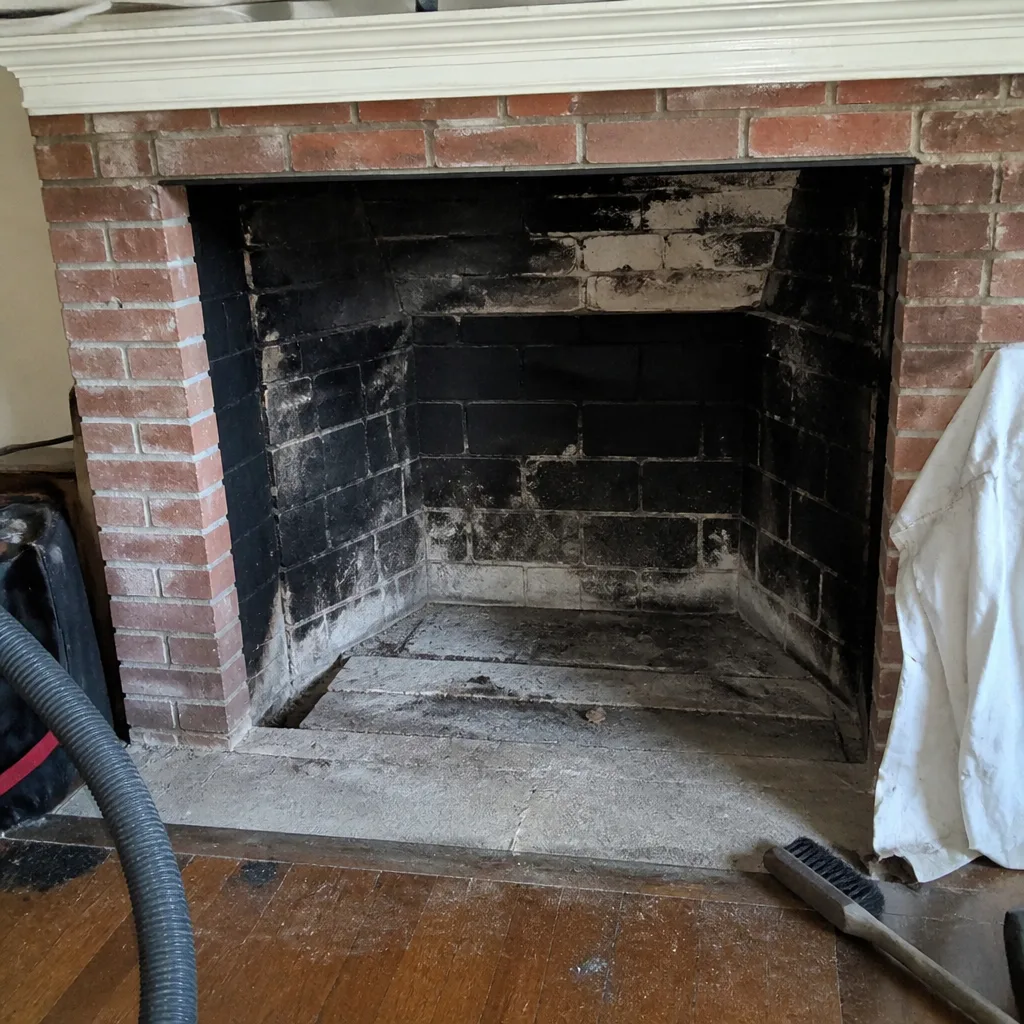 Before
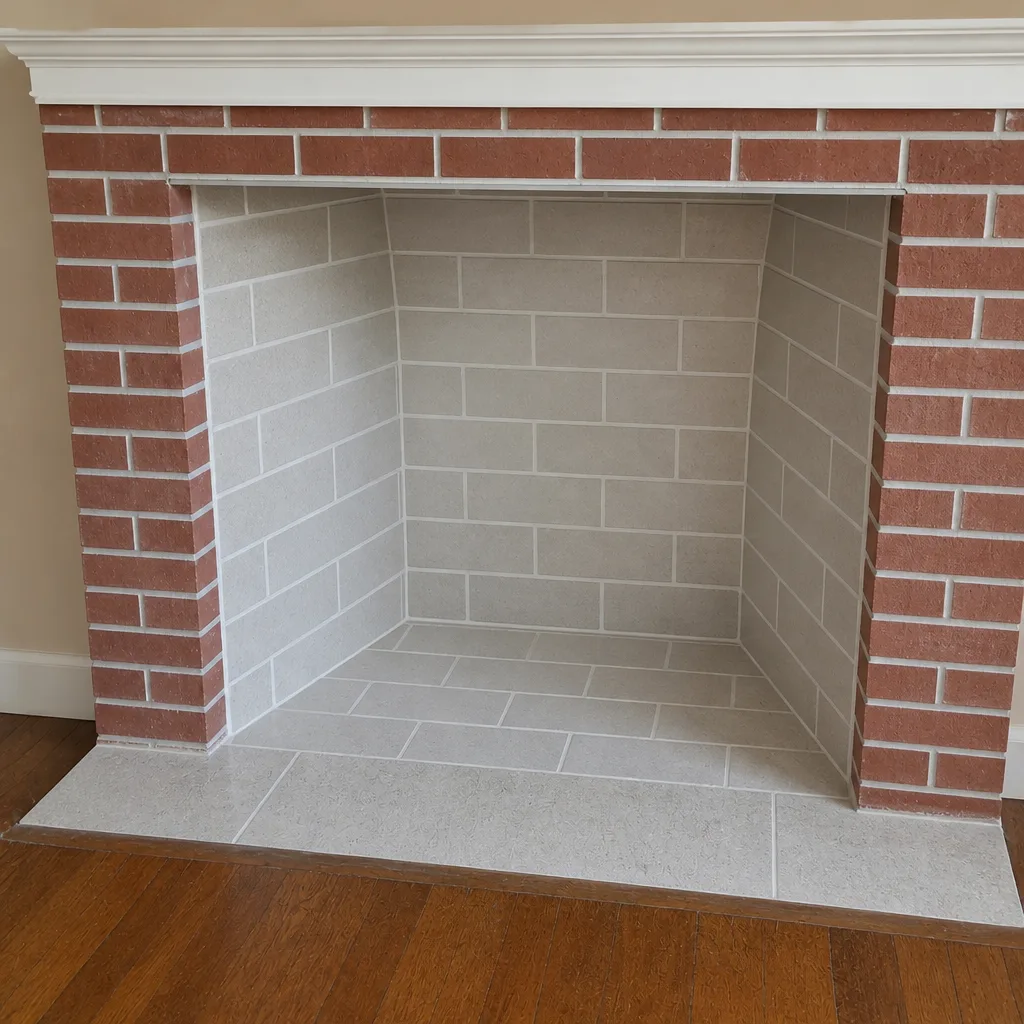 After
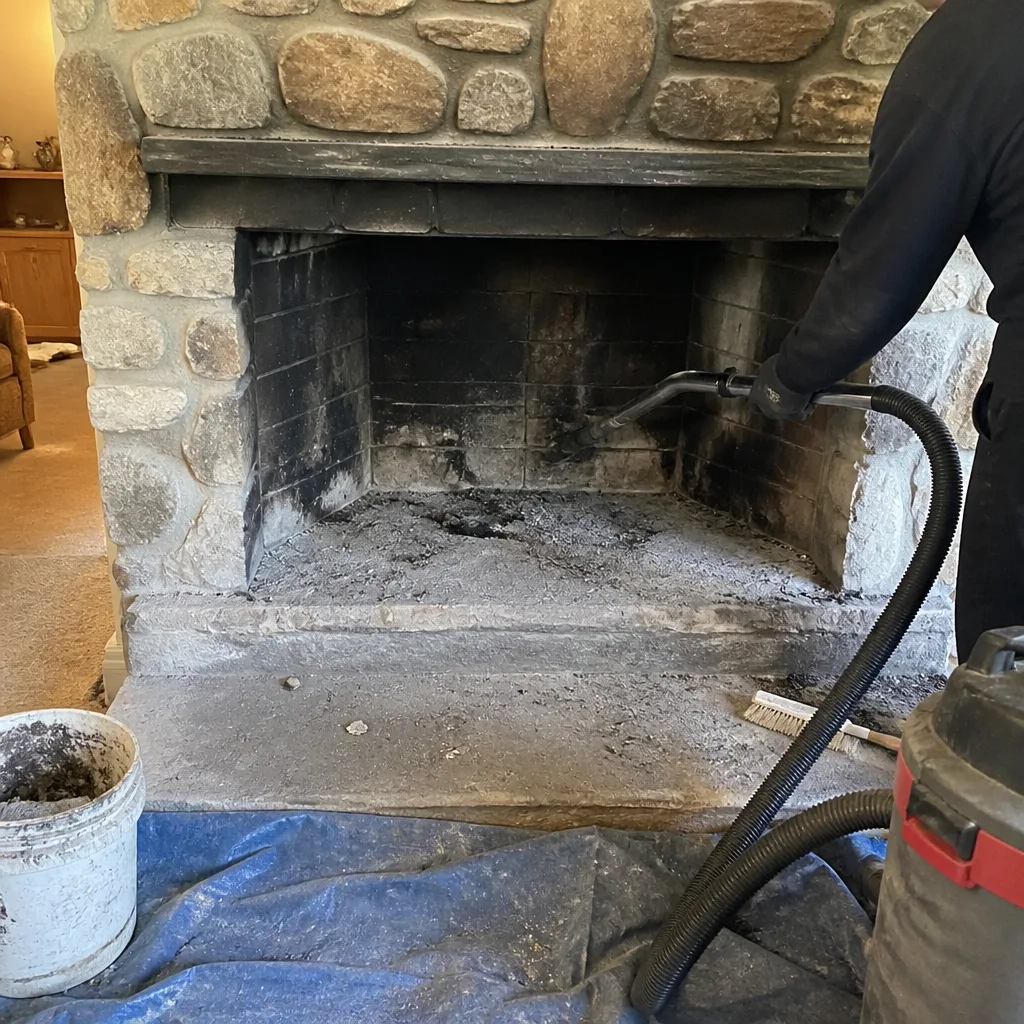 Before
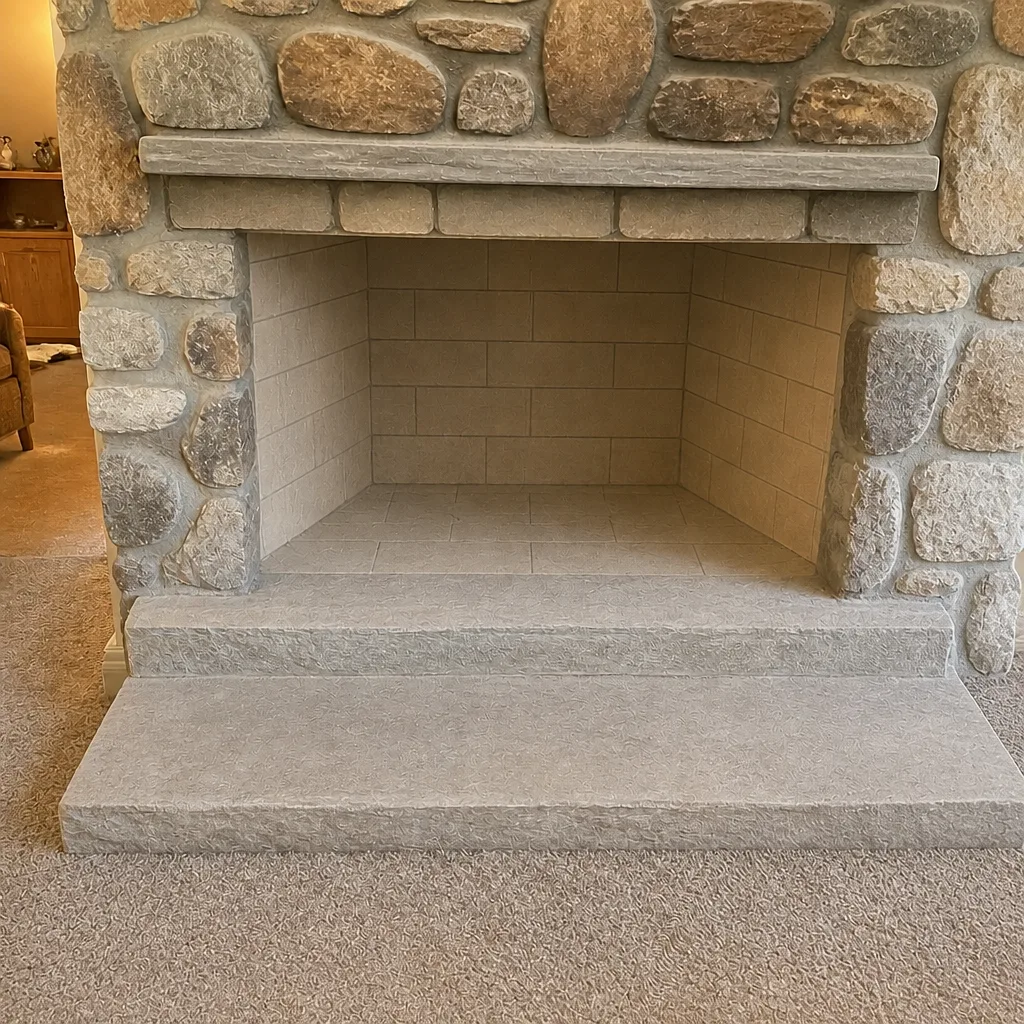 After
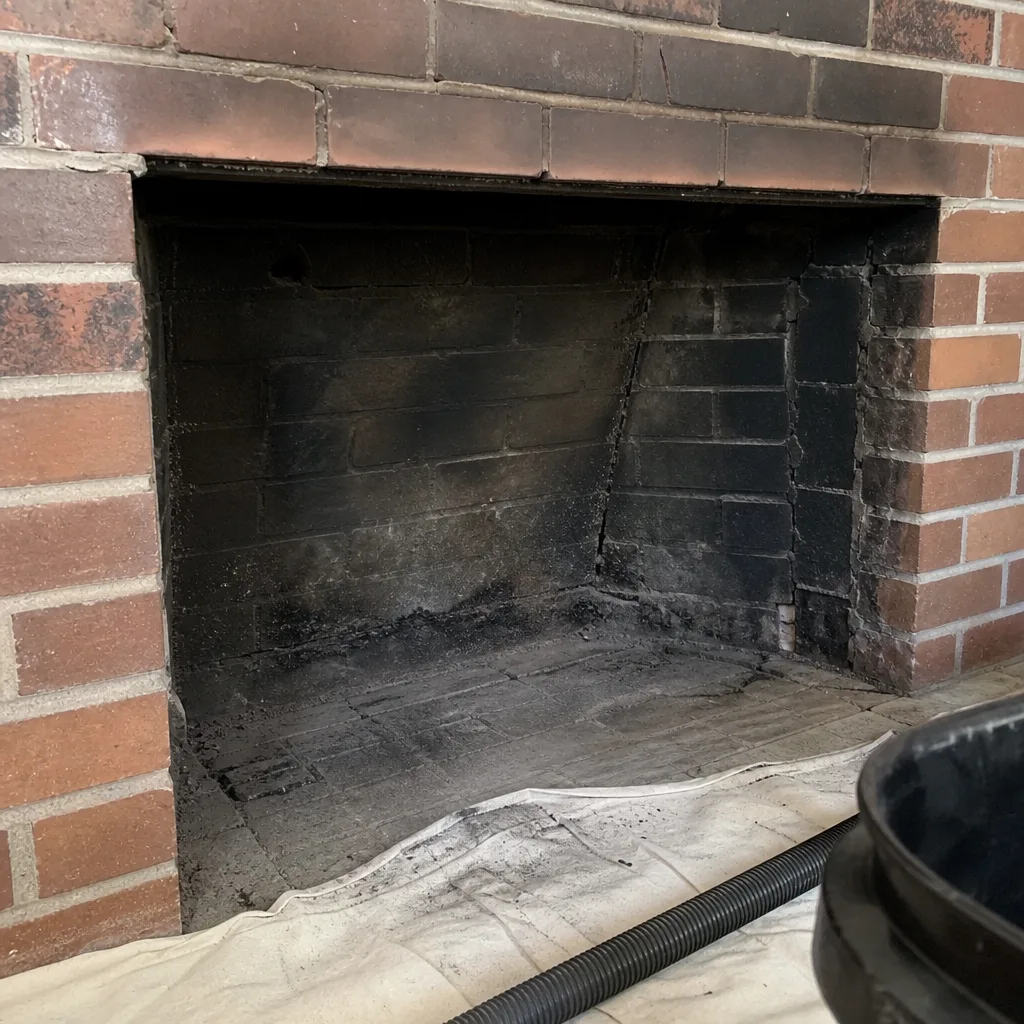 Before
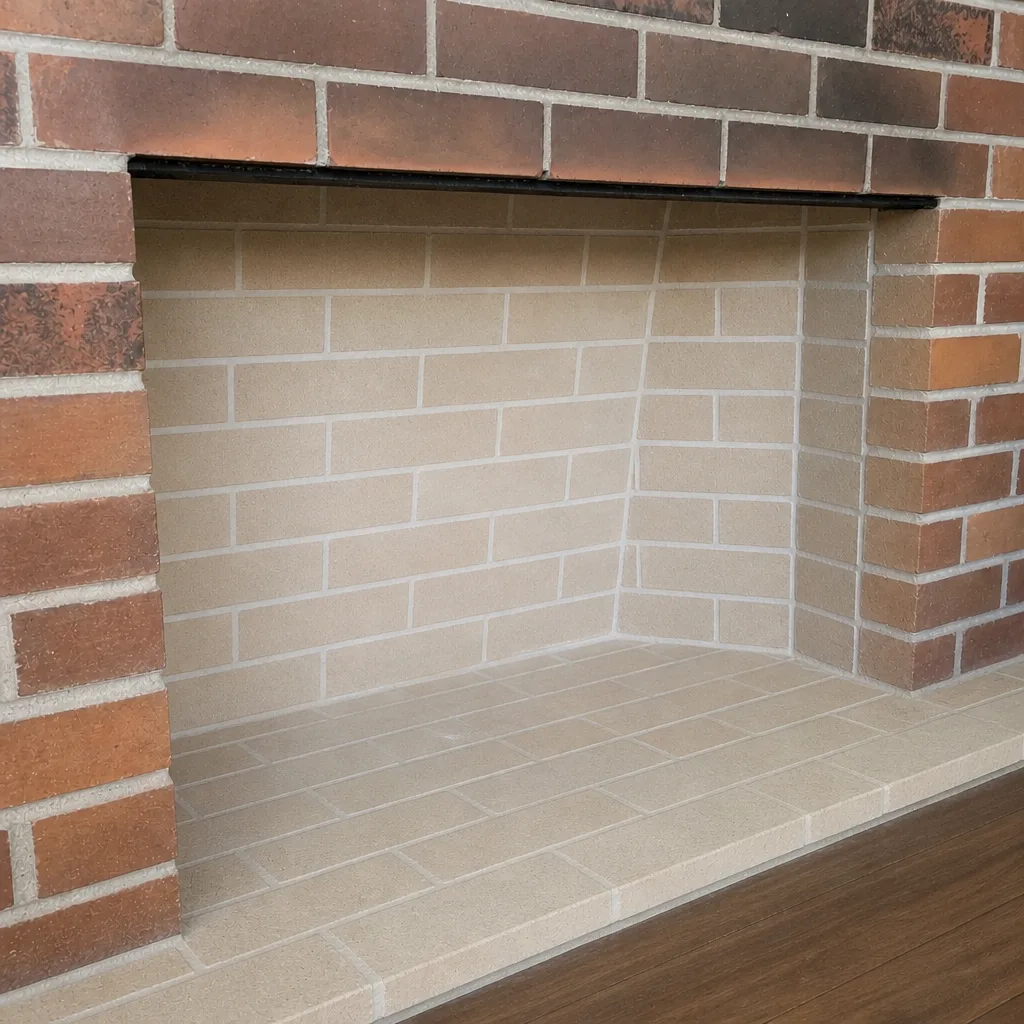 After
Frequently Asked Questions
Once a year for most wood-burning fireplaces, and more often if you burn heavily or notice glazed creosote. A gas fireplace still needs an annual inspection even though it produces little creosote. Book the sweep before first fall use so any findings can be handled before the season starts. Call (833) 513-8794 for a free estimate.
A sweep is not an inspection; it cleans the flue but doesn’t assess the liner, smoke chamber, or tile joints. A camera inspection is the only way to see those areas and confirm the liner is intact. Ask to watch the footage and review any finding together. Call (833) 513-8794 to schedule an inspection.
Yes. Both are safe to check from the ground with binoculars. Look for a cap that’s missing, tilted, or rusted through, and for crown cracks wider than a hairline. Anything beyond that, or anything inside the flue, needs a professional. Call (833) 513-8794 if you spot a problem.
The crown is the masonry or concrete top that sheds water off the chimney; the cap is the cover over the flue opening. They fail differently. A cracked crown lets water into the masonry, while a missing or damaged cap lets water straight into the flue. Both are water-entry points and both are worth fixing. Call (833) 513-8794 for an estimate.
Creosote builds up and raises the risk of a chimney fire, and small crown or cap problems turn into water damage in the masonry. Neither shows obvious signs at first, which is why regular checks matter. A camera inspection catches both before they get expensive. Call (833) 513-8794 for a free estimate.
Yes. A log with dates, findings, photos, and completed work is useful to the next owner and to any inspector. It also protects you against being sold work you may not need. Keep it somewhere a contractor can find it. Call (833) 513-8794 if you’d like us to review your history.
The Bottom Line
A Washington Square chimney stays healthy when you track its parts, not just its cleanings. Check the cap, visible crown cracking, and exterior mortar yourself between visits. Book a professional sweep and camera inspection before first fall use, and do a second exterior pass after the rainy season. Keep a log of dates, findings, photos, and products used, and treat a cracked flue tile, a missing cap, or a crumbling crown as a call-now item rather than a next-season one. When a repair is recommended, ask to see the camera evidence, and accept that some work can safely wait. That combination, a component checklist plus a written history, is what turns chimney maintenance from a vague annual reminder into something you can actually manage. From inspection through cap and crown work and fireplace repair, one company covers the whole system.
Call (833) 513-8794 for a free estimate. We answer 24/7. Fast dispatch from 7am to 7pm, Sunday through Friday.
Written by the team at Chimney Sweep Washington Square.