
Last updated November 23, 2026
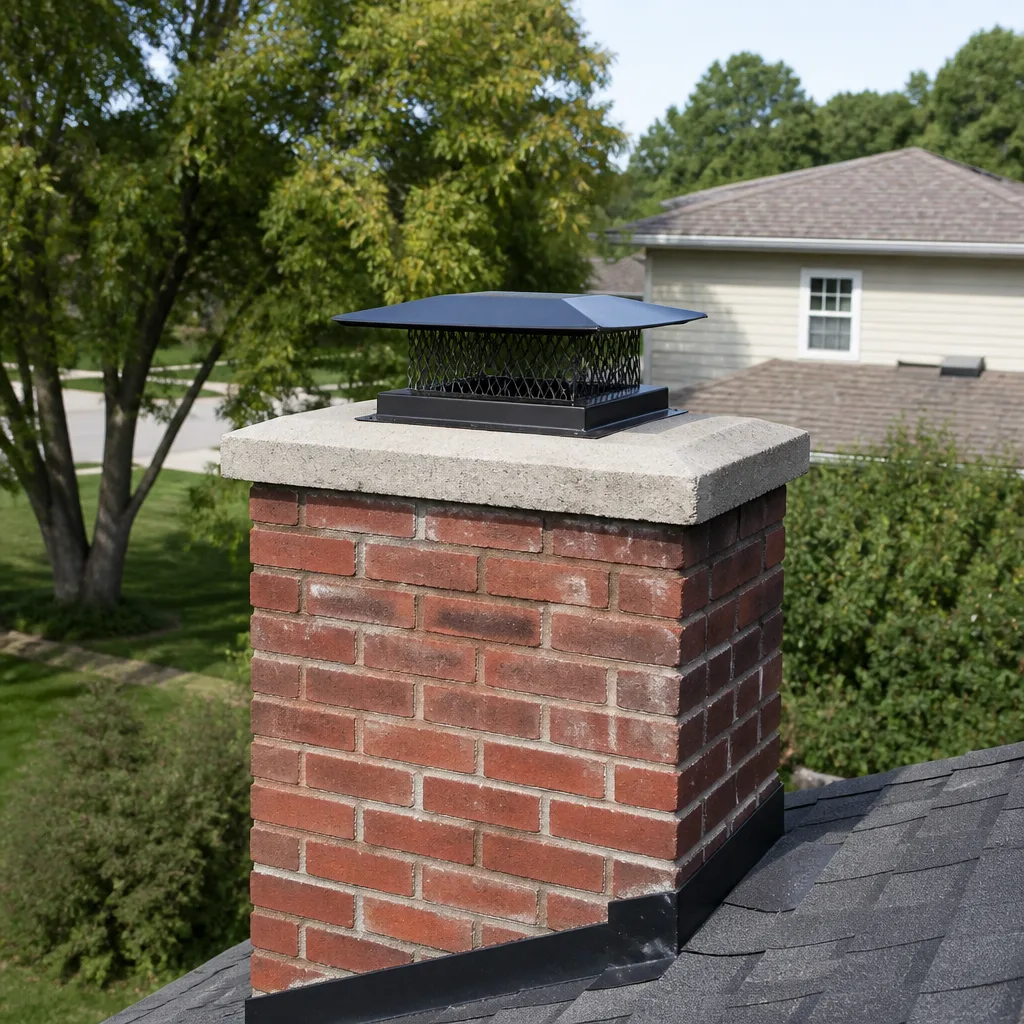 Sweep & inspection
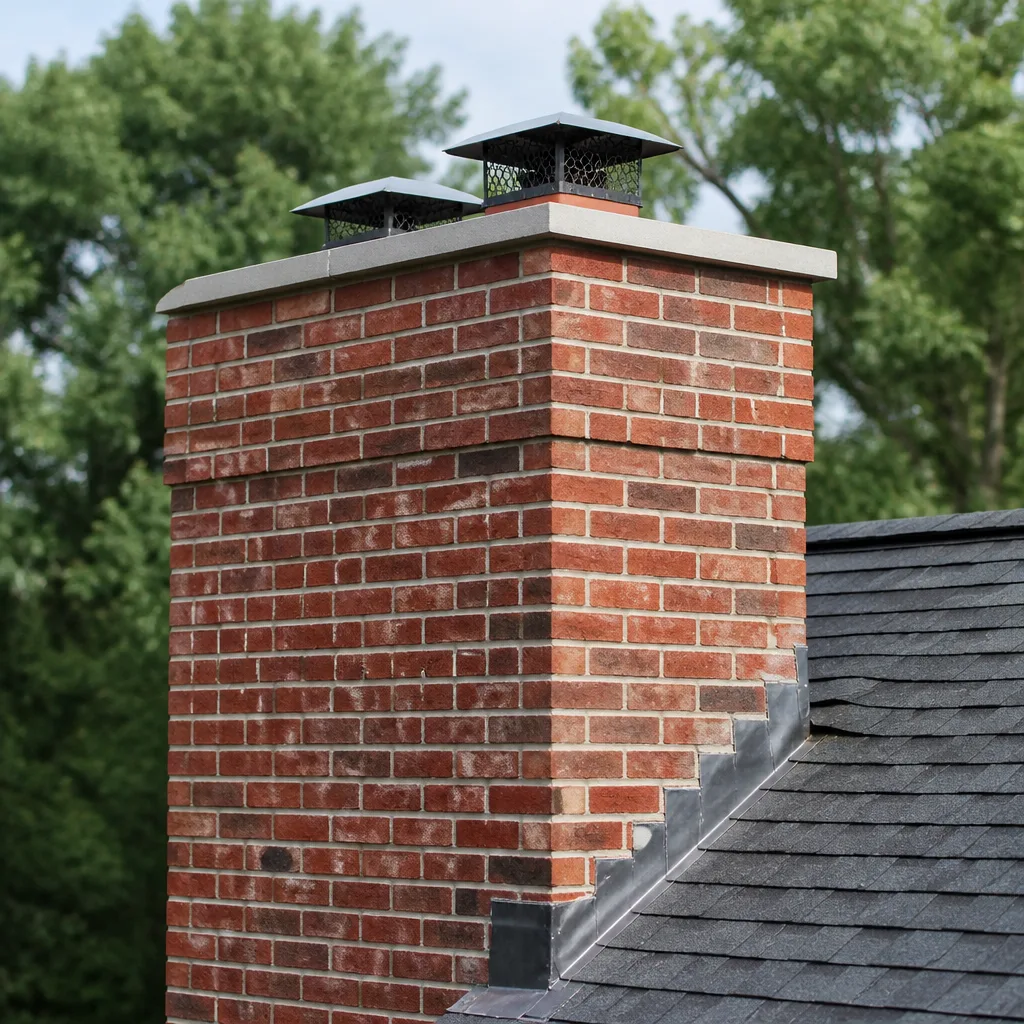 Caps & crowns
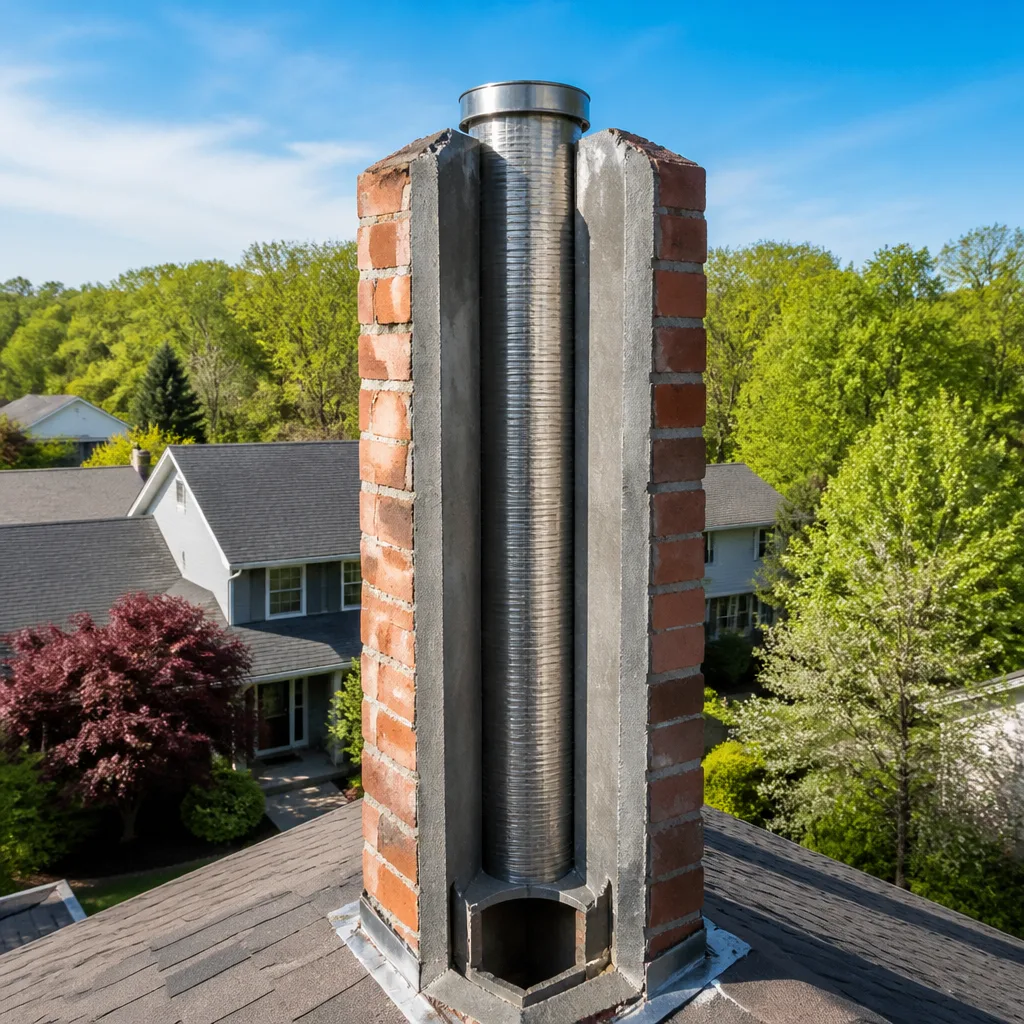 Flue relining
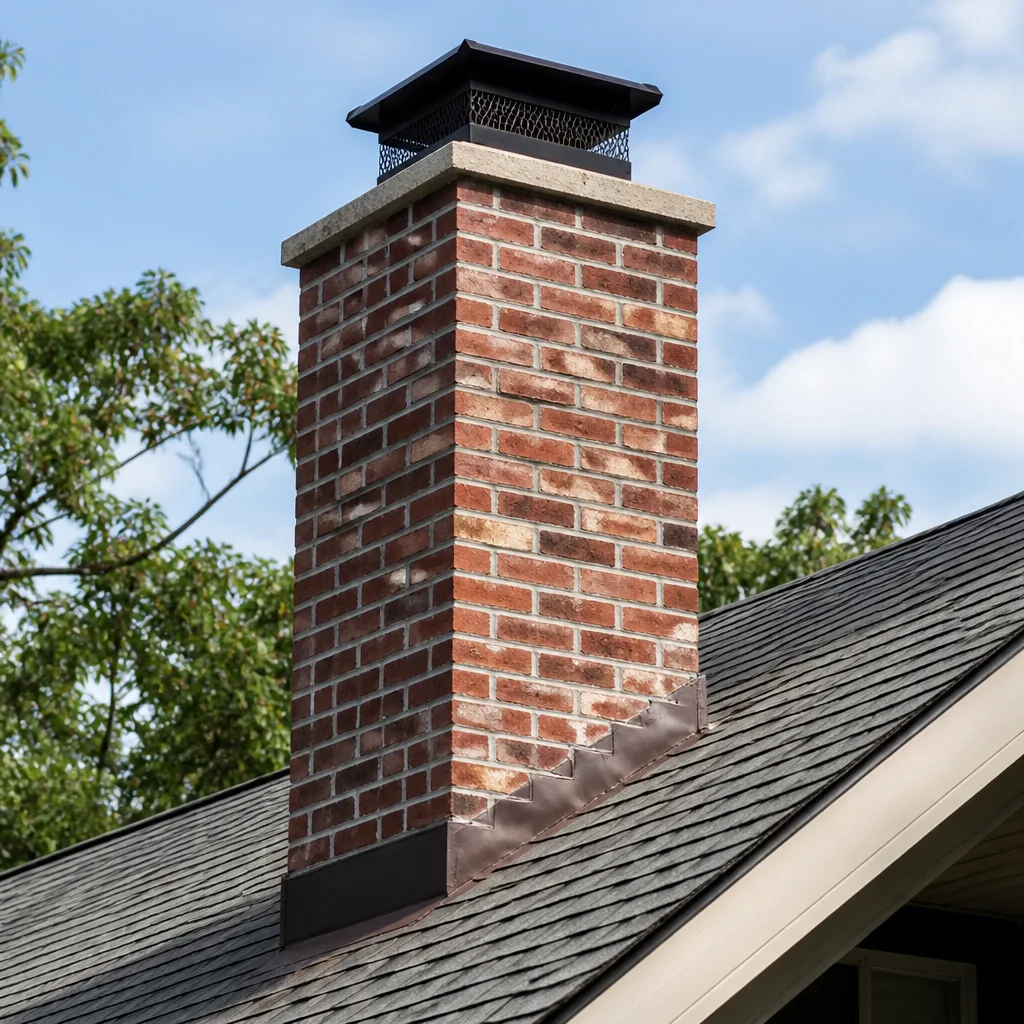 Masonry repair
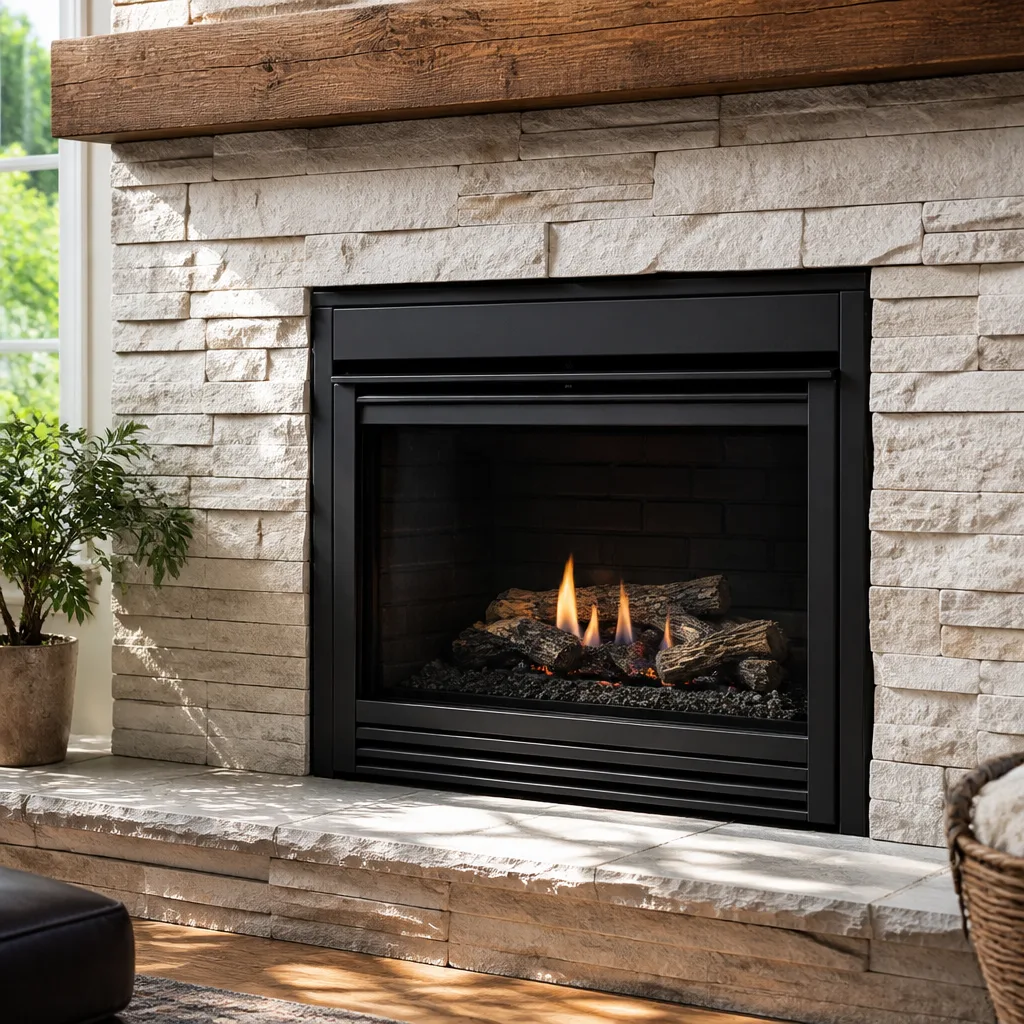 Gas fireplace service
Level 1 sweep and inspection to the NFPA 211 annual standard - flue, crown, cap, and flashing checked and photographed
Chimney sweep logs do not sweep chimneys. They loosen some creosote - which then falls where a brush and vacuum still have to collect it.
How to Hire a Chimney Cleaning Contractor in Washington Square: A Step-by-Step Guide
In California, nothing stops a general handyman from advertising chimney sweeping. The trade has no statewide licensing requirement, which means the burden of verifying competence falls entirely on the homeowner. That surprises people in Washington Square, where plenty of otherwise careful households book the first sweep who answers the phone and never ask what certification sits behind the van. This guide walks you through the vetting process step by step: what credentials actually certify, the exact questions to ask before booking, how to read an insurance certificate, and which red flags in a quote should end the conversation. By the end you’ll know how to hire a chimney cleaning contractor in Washington Square on evidence, not on price.
Quick Answer
To hire a chimney cleaning contractor in Washington Square, verify current CSIA or NFI credentials, ask what inspection level is included and whether a camera and written report come with it, confirm the contractor carries both general liability and chimney-specific coverage, and get a written scope of work before anyone gets on your roof. Because California does not license chimney sweeps, those four checks do more to protect you than any price comparison. A quote that’s dramatically lower than the rest usually signals a cursory brushing with no real inspection attached.
Styles & brands we work with
- Sweep & inspection
- Caps & crowns
- Flue relining
- Masonry repair
- Gas fireplace service
Table of Contents
- Why California Doesn’t License Chimney Sweeps
- What CSIA and NFI Credentials Actually Certify
- The Questions to Ask Before You Book
- How to Read a Chimney Contractor’s Insurance Certificate
- Red Flags in a Chimney Sweep Quote
- Judging Specialty Depth, Not Just Sweeping
- Step by Step: The Hiring Process From First Call to Sign-Off
- What Washington Square’s Climate Means for Your Chimney
Why California Doesn’t License Chimney Sweeps
California regulates electricians, plumbers and contractors in dozens of classifications, but chimney sweeping is not one of them. There’s no state exam, no license number to look up, and no state board that disciplines a sweep who does poor work. A business license and a seller’s permit are essentially all someone needs to hang out a shingle and start taking calls in Washington Square.
This is the single most important fact in this guide. In trades that are licensed, you can check a number against a state database and learn whether the person has passed a test and carries a bond. With chimney work, that safety net isn’t there. The homeowner becomes the screening committee.
What fills the gap is voluntary certification. Two credentials carry real weight in the trade:
- CSIA Certified Chimney Sweep – issued by the Chimney Safety Institute of America. It requires passing an exam, committing to a code of ethics, and renewing periodically, which means a current certificate reflects current knowledge.
- NFI certification – issued by the National Fireplace Institute, focused on the appliance side: wood stoves, fireplace inserts and gas systems. It’s a useful signal when your question is about how the fireplace itself performs, not just the flue.
Neither is a government stamp. Both are the closest thing the trade has to one, and a contractor who holds them has chosen to be measured against a standard. In a market with no licensing floor, that choice tells you something. The rest of this guide is about confirming it’s real and current rather than a logo on a website.
What CSIA and NFI Credentials Actually Certify
A CSIA Certified Chimney Sweep credential certifies that an individual has passed the institute’s exam on chimney construction, venting, inspection procedure and safety, and has agreed to a code of ethics with renewal requirements. It does not certify the company, and it does not cover everyone who might show up at your door. The certification belongs to the person named on the certificate.
That distinction matters more than most homeowners realize. When you book a sweep in Washington Square, the person on the roof may be an employee or a subcontracted helper. Ask directly: is the technician doing the work certified, and can I see the certificate? A company that takes certification seriously will answer without hesitation.
NFI certification works the same way. It covers specific appliance categories, so an NFI-certified technician may be certified for wood appliances but not gas, or the reverse. If your fireplace is gas, ask whether the certification covers gas systems specifically.
How to confirm a credential is current
- Ask for the certificate and read the expiry date, not just the name.
- Ask whether the certification is held by the company or by an individual technician.
- Ask if the technician assigned to your job is the certified one.
- Note whether the answer comes quickly and plainly or with a pivot to pricing.
A certification that lapsed two years ago is a decoration. A contractor who volunteers the details before you press is showing you how they operate. That habit of transparency is the same one that shows up when they hand you a written inspection report instead of a verbal summary from the driveway.
The Questions to Ask Before You Book
The questions you ask before booking separate a specialist from a generalist faster than any review site. A chimney is a system: flue, liner, damper, firebox, crown, cap and the connections around them. A contractor who treats the job as brushing a tube will answer narrowly. A specialist will answer in terms of the whole structure, because that’s how they see it.
Ask these seven questions on the first call
- What inspection level is included in the price? The trade recognizes three levels. Level one is a visual check of readily accessible components during a routine sweep. Level two adds a camera scan of the flue interior and is standard after a chimney fire, a change of appliance, or a property sale. Level three involves opening up concealed areas. You want to know which one you’re paying for.
- Do you use a camera? A camera reveals cracks, gaps in liner joints and creosote glazing that a flashlight at the top and bottom can’t see.
- Will I receive a written report? Ask what it contains: photos, findings, recommendations, and a plain statement of what can wait.
- What’s the scope of the cleaning itself? Flue only, or firebox, smoke chamber and damper as well?
- Who does the work, and are they certified? See the credential section above.
- What does the quote cover, and what would change it? A written estimate should say what’s included and what triggers additional cost.
- What happens if you find a problem? You want to know whether the same company can address a cracked liner or a damaged crown, or whether you’ll be handed a referral and start the vetting process over.
Ask these in Washington Square the way you’d ask a contractor anywhere: plainly, and note the answers. A specialist will discuss relining with a DuraFlex flexible liner system or resurfacing a compromised flue with HeatShield ceramic, even when you only called about a cleaning. That’s not an upsell reflex. It’s what a company that handles the full system talks about, because those are the findings that come back from the camera most often.
How to Read a Chimney Contractor’s Insurance Certificate
General liability insurance alone is not sufficient for chimney work. You want to see general liability and a workers’ compensation policy, and you want to confirm both are active before the technician arrives. General liability covers damage to your property, such as a dropped tool, a cracked tile or a stained ceiling. Workers’ compensation covers the person on your roof if they’re injured while working at your home.
Why does the second one matter to you? Because in most circumstances a homeowner’s own insurance can be drawn into a claim when an uninsured worker is hurt on the property. Asking for a certificate of insurance isn’t distrust. It’s the same check a general contractor runs on a subcontractor.
What to look for on the certificate
- The named insured matches the company you’re hiring, not a different business name.
- The policy dates are current, not expired.
- General liability limits are stated, and workers’ compensation coverage appears as its own line.
- You can request to be named as an additional insured for the duration of the job if you want an extra layer.
A legitimate operation in Washington Square will send a certificate without friction. If the response is a story about the paperwork being at the office, or a suggestion that it isn’t necessary for a simple sweep, treat that as an answer in itself. Chimney work involves heights, soot, and sometimes a torch or a grinder. Insurance questions are exactly the ones a professional expects.
Red Flags in a Chimney Sweep Quote
An unusually low flat rate is the first red flag, and it’s the one most people miss. A price that sits well below every other quote usually buys a quick brush down the flue with no camera, no report and no inspection of the smoke chamber or crown. The cleaning looks done. The findings that would have protected your home never get made.
Here are the others worth watching for when you compare quotes in Washington Square:
- Vague scope. “Chimney cleaning” with no description of what’s cleaned, inspected or documented. Ask for the scope in writing.
- Pressure to decide same-day. A quote that expires if you don’t sign on the spot is a sales tactic, not a maintenance recommendation. Real findings survive a night’s sleep.
- No written estimate. The price should be agreed before the work begins, in writing, so the invoice can’t drift.
- Recommendations without evidence. If you’re told you need a new liner, ask to see the camera footage or the photos of the defect. You should be able to look at the problem yourself.
- No discussion of the cap or crown. These are the two most common points of water entry into a chimney. A sweep-only company that never mentions them is leaving the most frequent cause of damage unaddressed.
- A different crew shows up. Ask who’s coming and whether they’re the certified technician you spoke with.
One more, subtle flag: a contractor who won’t say plainly when work can wait. Not every finding is urgent. A small hairline crack in a crown may be worth monitoring; a gap in a liner joint behind a wood-burning appliance is not. A specialist draws that line honestly, because a homeowner who’s told the truth about what can wait tends to call back for the work that can’t.
Judging Specialty Depth, Not Just Sweeping
A full-service chimney specialist will discuss relining and structural repair options on a call where you only asked for a cleaning. That’s the test. A sweep-only operation cleans and leaves; when the camera finds a problem, you’re handed a phone number and the vetting starts again with someone new.
Depth shows up in the materials a contractor works with. Trade-grade products aren’t the same as what’s on a hardware store shelf, and naming them tells you the company operates in the professional supply chain. A specialist might talk about a DuraFlex flexible liner system for relining, HeatShield ceramic resurfacing for a flue that’s pitted or spalling, or a cap sourced from a trade supplier like Gelco or Olympia Chimney. Each of those represents a different repair path, and knowing which one fits your chimney is the difference between a generalist and a specialist.
In our experience, homeowners in Washington Square often start with a cleaning and discover the rest of the picture afterward. The inspection findings tend to cluster in four areas: a liner that’s cracked or unsealed at the joints, a crown that’s cracked and letting water in, a missing or damaged cap, and a firebox or damper that no longer works as it should. A company that covers a chimney sweep, inspection, fireplace repair, structural chimney repair, and chimney cap & crown work can address all four without a handoff.
Questions that reveal specialty depth
- “If the camera shows a cracked liner, what are my options?” Listen for more than one answer: relining, resurfacing, and when each applies.
- “How do you handle a crown that’s cracked?” A specialist describes repair or replacement as routine, not exotic.
- “What cap do you recommend, and why?” A specific, functional answer beats a generic one.
- “Can you do the follow-up work, or will I need another contractor?” The answer tells you whether you’re dealing with one company or a referral chain.
Step by Step: The Hiring Process From First Call to Sign-Off
Here’s the sequence that keeps a Washington Square homeowner in control of a chimney job from start to finish. It takes a few calls and a little patience, and it replaces the gamble of picking whoever answers first.
- Identify what you actually need. A routine annual cleaning, a problem you’ve noticed (smoke backing up, a smell, water stains), or a recommendation from a home inspector or insurer. Write it down before you call.
- Ask the credential questions first. Certification, current, held by the technician. If the answers are vague, end the call politely.
- Request the certificate of insurance. General liability and workers’ compensation, current dates, named insured matching the company.
- Ask the seven booking questions. Inspection level, camera, written report, scope of cleaning, who does the work, what the quote covers, what happens if a problem turns up.
- Get the estimate in writing. The price should be set per job by the written estimate, and the scope should be spelled out line by line.
- Compare like with like. Two quotes are comparable only if they cover the same inspection level and the same scope. A cheap quote with a narrower scope isn’t cheaper.
- Book the sweep and be present for the report. Ask to see the camera images and photos. Ask which findings are urgent and which can wait.
- Decide on any repairs with the evidence in hand. Nothing should be recommended that you can’t see for yourself. If you need the work done, having the same company handle it means one scope, one estimate, and no gap between the inspection and the repair.
That last point is where a full-service company earns its place. The inspection, the cleaning, and any liner, cap or crown work are all one job with one contractor accountable for the result. When you’re ready to book, Chimney Sweep Washington Square covers the whole sequence in Washington Square.
What Washington Square’s Climate Means for Your Chimney
Winters in Washington Square are mild, which changes the chimney conversation in ways that surprise people who moved here from colder parts of the country. A mild winter doesn’t mean the chimney gets less use. It means the fireplace often gets used in shorter, more casual bursts: an evening here, a weekend there, across a burning season that stretches longer than you’d expect from the weather alone. That pattern matters, because creosote builds up with use, not with cold.
The bigger local factor is moisture. Even a mild climate delivers rain, and a chimney’s most common long-term problem is water getting in at the top. Two components do most of that work: the crown, which sheds water away from the flue, and the cap, which keeps rain and animals out of the flue opening. When the crown cracks or the cap is missing or damaged, water reaches the masonry and the liner, and problems that start at the top of the chimney show up much lower down.
What to watch for in a mild-winter climate
- Annual use still builds creosote. A sweep once a year is the baseline, and the trade rule is that a chimney needs cleaning when the creosote layer reaches about an eighth of an inch.
- Crown and cap condition matters year-round. Check them after the rainy season, and ask about them at every inspection.
- Smoke and draft problems can show up in warm weather. A chimney that drafts poorly often reveals it when the outside air is warm, not cold.
- Odors in the off-season. A creosote smell in the firebox when the fireplace is idle is a sign the flue needs attention.
Water intrusion is the quiet one. It rarely announces itself. It shows up as a stain on the ceiling, a crumbling mortar joint, or a rusted damper, long after the crown first cracked. A chimney inspection that includes the top of the structure, not just the flue, is what catches it early.
Common Mistakes to Avoid
- Hiring on price alone. A low flat rate in Washington Square usually reflects a narrower scope, not a better deal. Compare what’s included, not just the bottom line.
- Assuming a business license means a qualified sweep. California doesn’t license the trade, so a license proves the business registered, not that the technician is competent.
- Skipping the insurance check. General liability without workers’ compensation leaves you exposed if the person on the roof is hurt. Ask for both.
- Accepting a repair recommendation without evidence. If you’re told the liner needs replacing, ask to see the camera footage. If it isn’t offered, ask again.
- Booking a cleaning without knowing the inspection level. A level one visual check and a level two camera inspection are different jobs. Know which one you’re paying for.
- Ignoring the cap and crown because the flue looks fine. The top of the chimney is where most water damage begins, and it’s the part a flue-only sweep never addresses.
- Letting a quote expire under pressure. Same-day pressure is a sales method, not a safety finding. Real problems will be there tomorrow, with the evidence to show you.
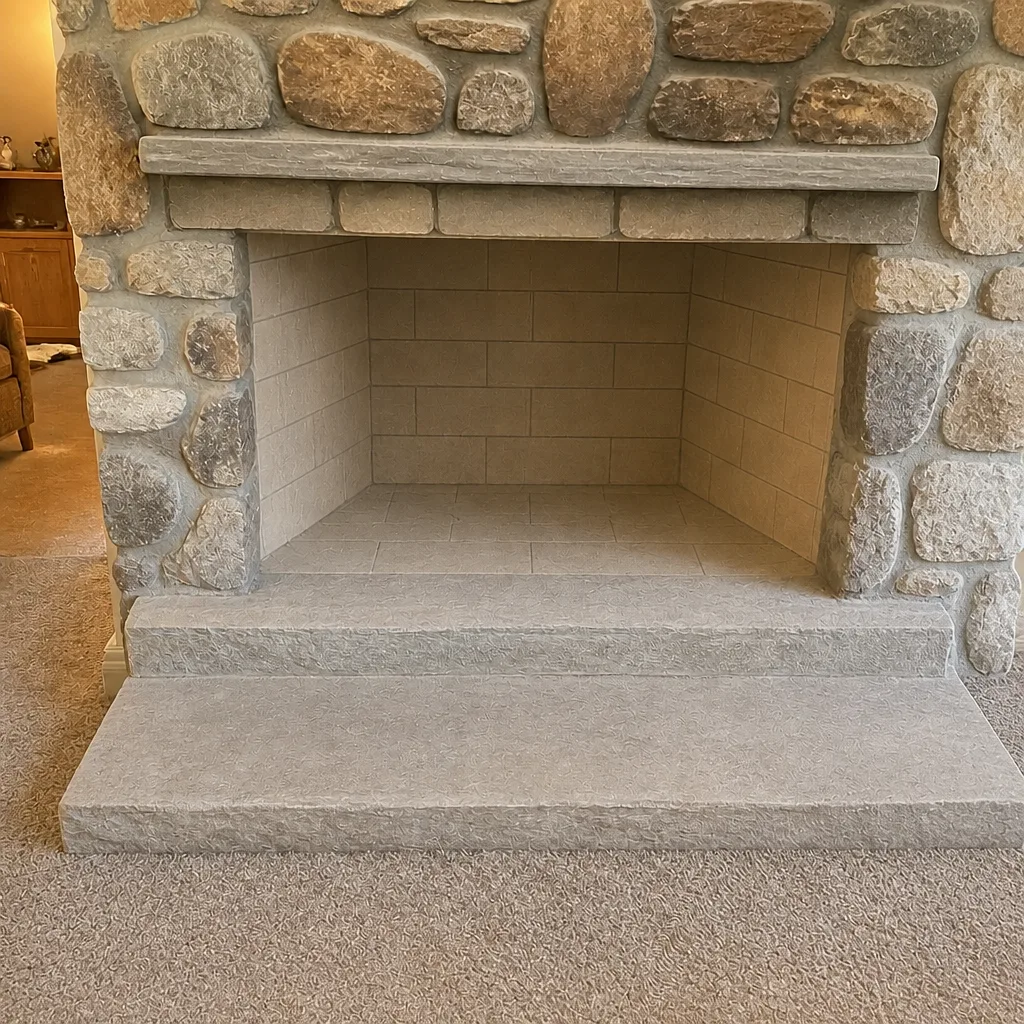
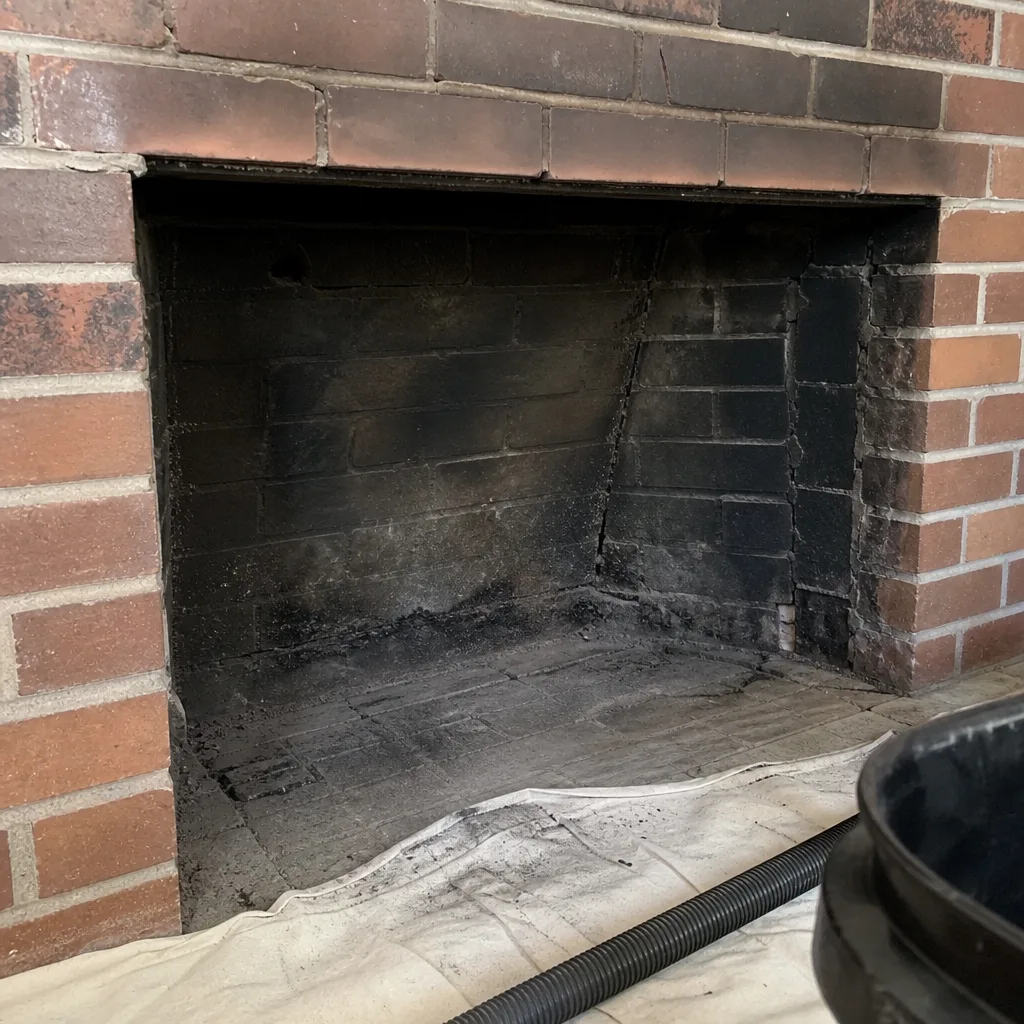
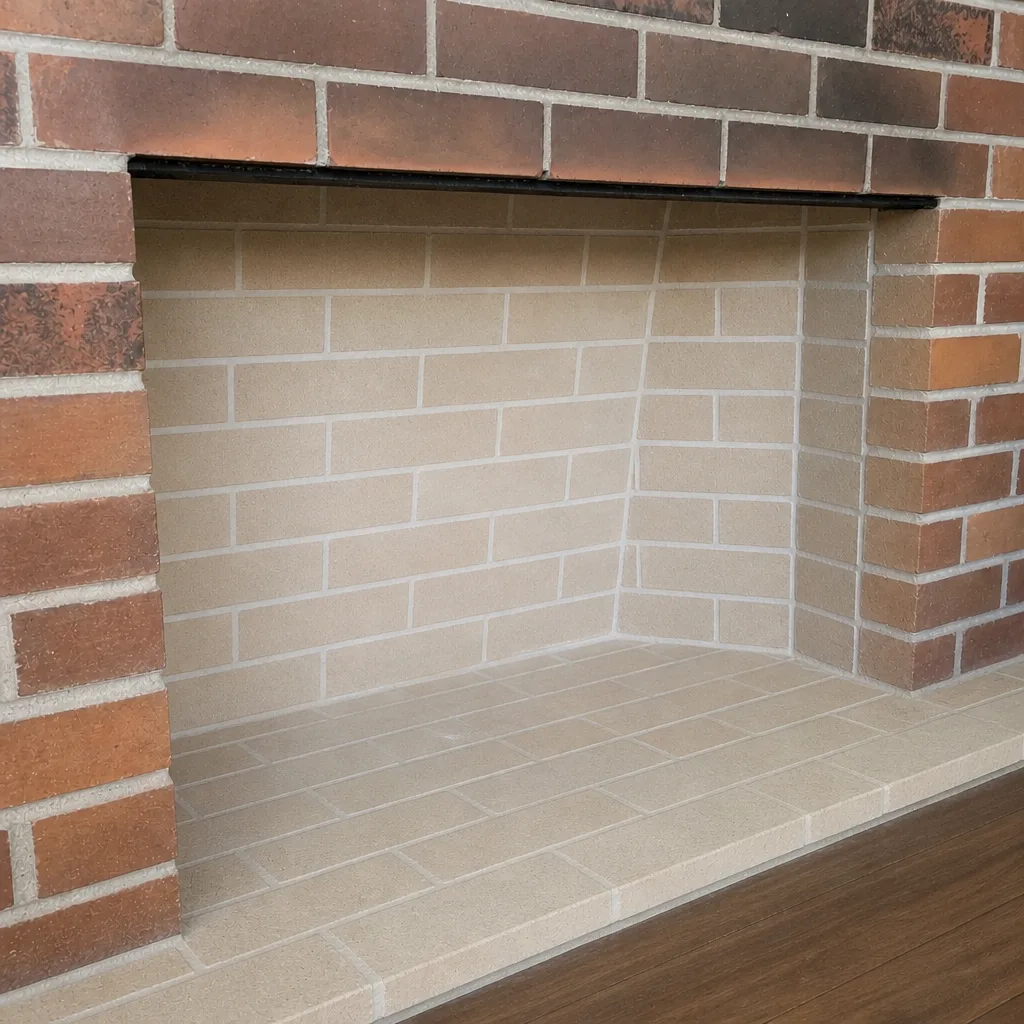
See the difference
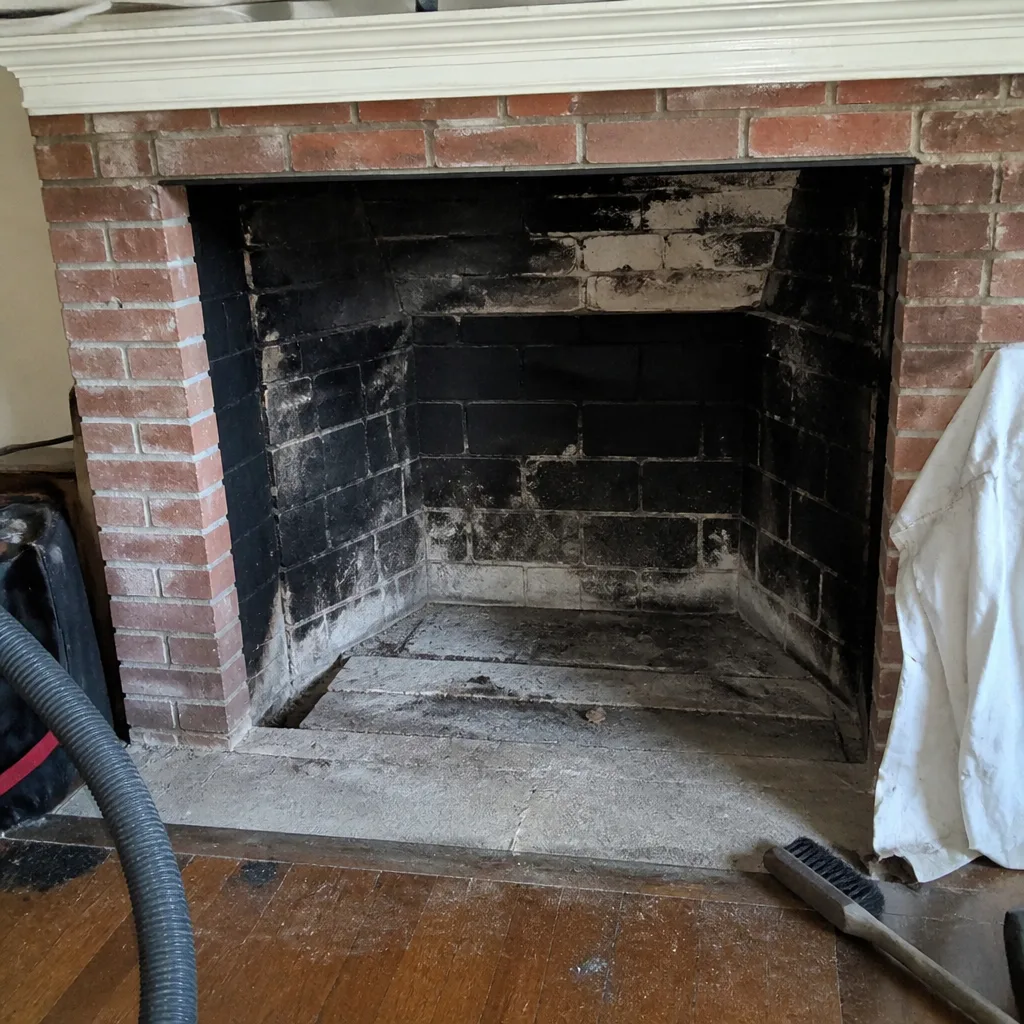 Before
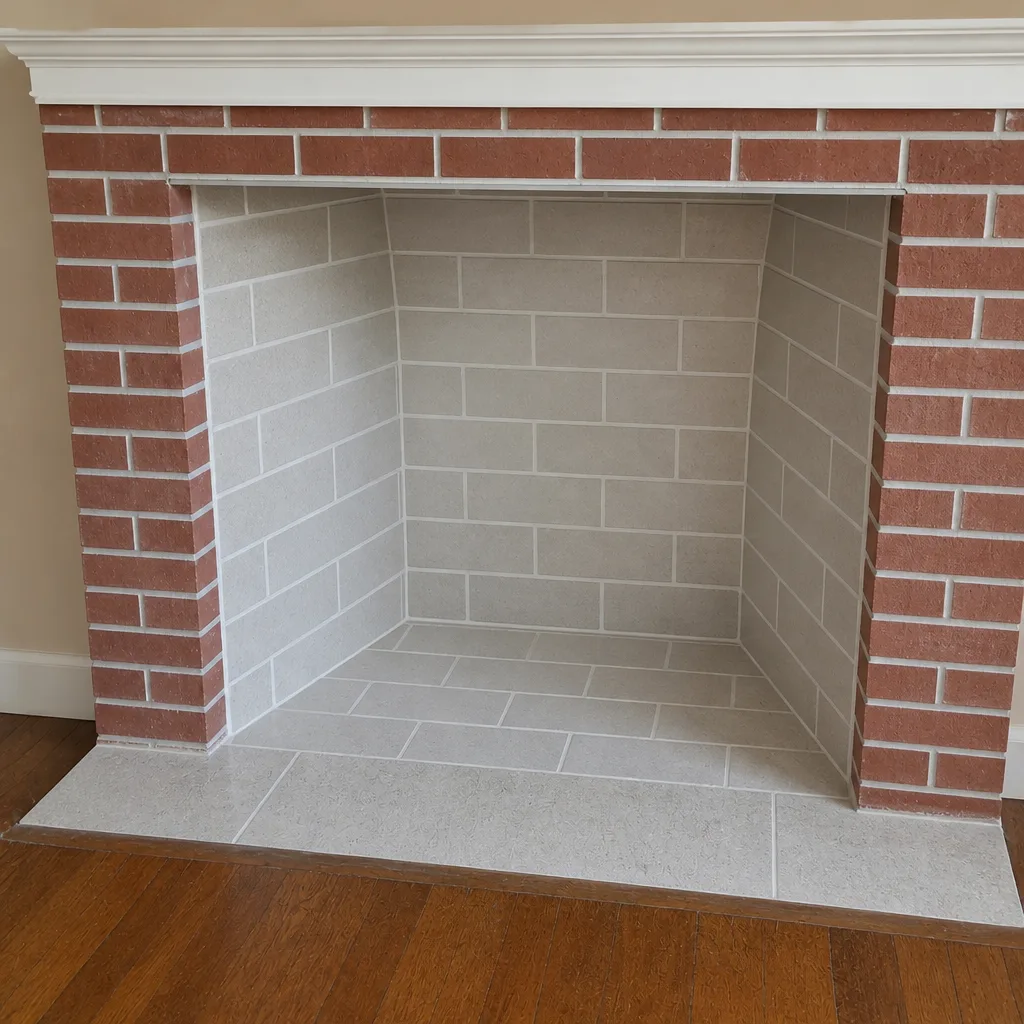 After
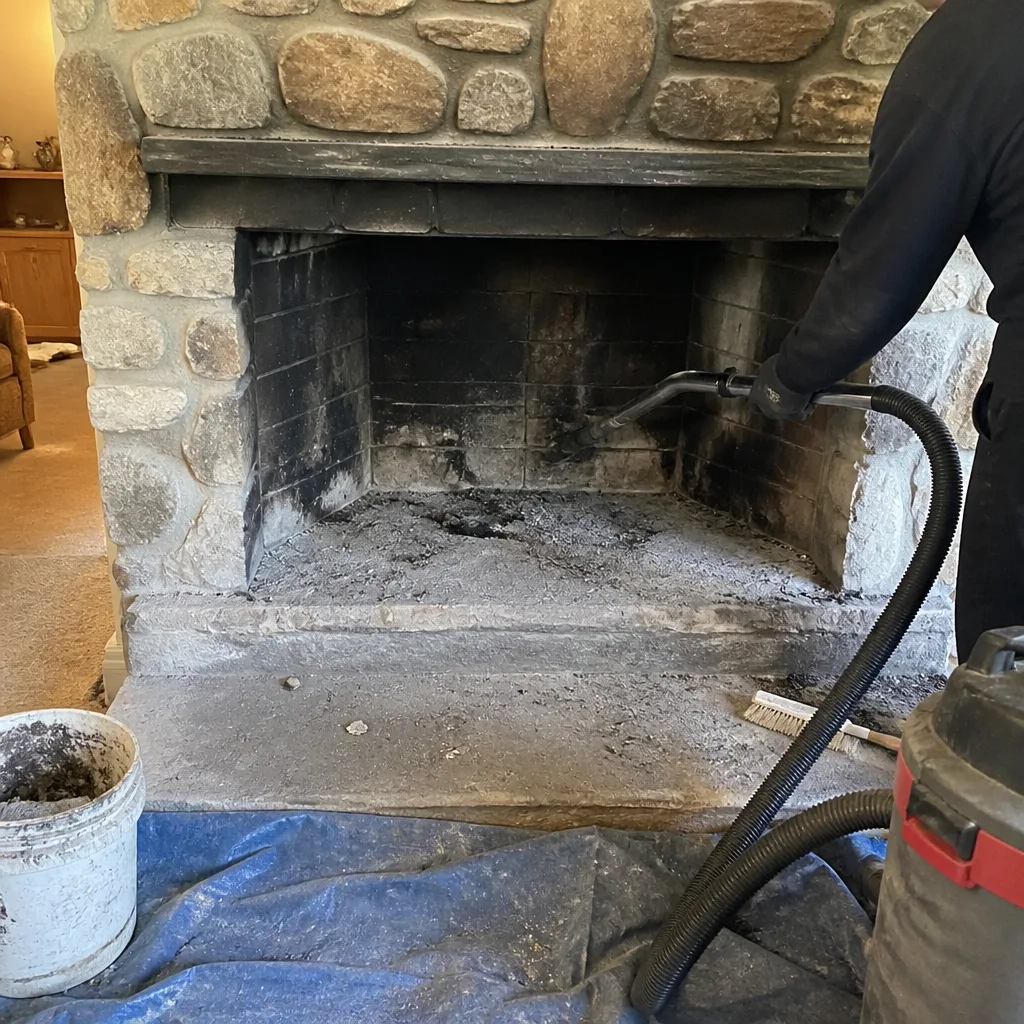 Before
 After
 Before
 After
When to Call a Professional
Call a professional if it’s been a year or more since the last sweep and the fireplace gets regular use, if you smell creosote in the firebox when it’s idle, or if smoke rolls back into the room instead of going up the flue. Call if you’ve noticed water stains near the chimney, crumbling mortar at the crown, a missing cap, or a damper that no longer opens and closes properly. Call before you burn again if you’ve had a chimney fire, even a small one, because the flue liner can crack in ways you can’t see from below. Call if a home inspector or your insurer has flagged the chimney and you need a specialist rather than a generalist to sort it out. And call if you’ve never had it inspected at all. Chimney Sweep Washington Square offers free estimates in Washington Square. Call (833) 513-8794. We answer 24/7. Fast dispatch from 7am to 7pm, Sunday through Friday.
Frequently Asked Questions
No. California does not license chimney sweeping as a trade, so there’s no state credential to verify. That’s why voluntary certification from the CSIA or NFI, a current insurance certificate, and a written scope of work are the checks that actually tell you whether a contractor is qualified.
A routine sweep in Washington Square typically falls in the low-to-mid hundreds of dollars, and a level two inspection with a camera scan runs a bit more. Prices vary with the number of flues, the height and access of the chimney, and whether the job includes the firebox and smoke chamber. The written estimate sets the final price, so ask for it before booking. Call (833) 513-8794 for an exact quote. Estimates are free.
Only if the evidence shows the liner is compromised: cracked, unsealed at the joints, or deteriorated enough that it can’t safely contain the flue gases. Ask to see the camera footage or photos. Nothing should be recommended that you can’t look at yourself, and a specialist will show you the defect rather than describe it from memory. Call (833) 513-8794 to book an inspection. Estimates are free.
Once a year for a fireplace in regular use, and whenever the creosote layer reaches about an eighth of an inch. In our mild winters, the fireplace often gets used in shorter bursts across a longer season, and creosote accumulates with use, not with cold, so annual cleaning remains the baseline. Call (833) 513-8794 to schedule your sweep. Estimates are free.
Creosote accumulates inside the flue, and when it reaches a certain thickness it can ignite into a chimney fire. A fire can crack the liner, and a cracked liner can let carbon monoxide and smoke into the home. Separately, a failing crown or missing cap lets water into the masonry, and the resulting damage is usually more expensive than the cleaning would have been. Call (833) 513-8794 to book. Estimates are free.
Yes, and doing so usually saves you a second round of vetting. A full-service chimney company handles sweeping, inspection, fireplace repair, structural repair, and cap and crown work under one scope and one estimate, so there’s no gap between the inspection findings and the repair. Call (833) 513-8794. We answer 24/7. Fast dispatch from 7am to 7pm, Sunday through Friday.
The Bottom Line
Hiring a chimney cleaning contractor in Washington Square comes down to verification, not price. Because California doesn’t license the trade, the homeowner has to confirm what a state usually would: current CSIA or NFI certification on the technician who shows up, a certificate of insurance that includes workers’ compensation, a clear statement of which inspection level is included, a camera scan and a written report, and a written estimate that spells out the scope. Treat a suspiciously low flat rate and same-day pressure as warnings, and ask to see the evidence behind any repair recommendation. Do that, and the chimney you’re trusting with your winter evenings is in the right hands. Call (833) 513-8794 for a free estimate from Chimney Sweep Washington Square. We answer 24/7. Fast dispatch from 7am to 7pm, Sunday through Friday.
Written by the team at Chimney Sweep Washington Square.