
Last updated November 23, 2026
 Sweep & inspection
 Caps & crowns
 Flue relining
 Masonry repair
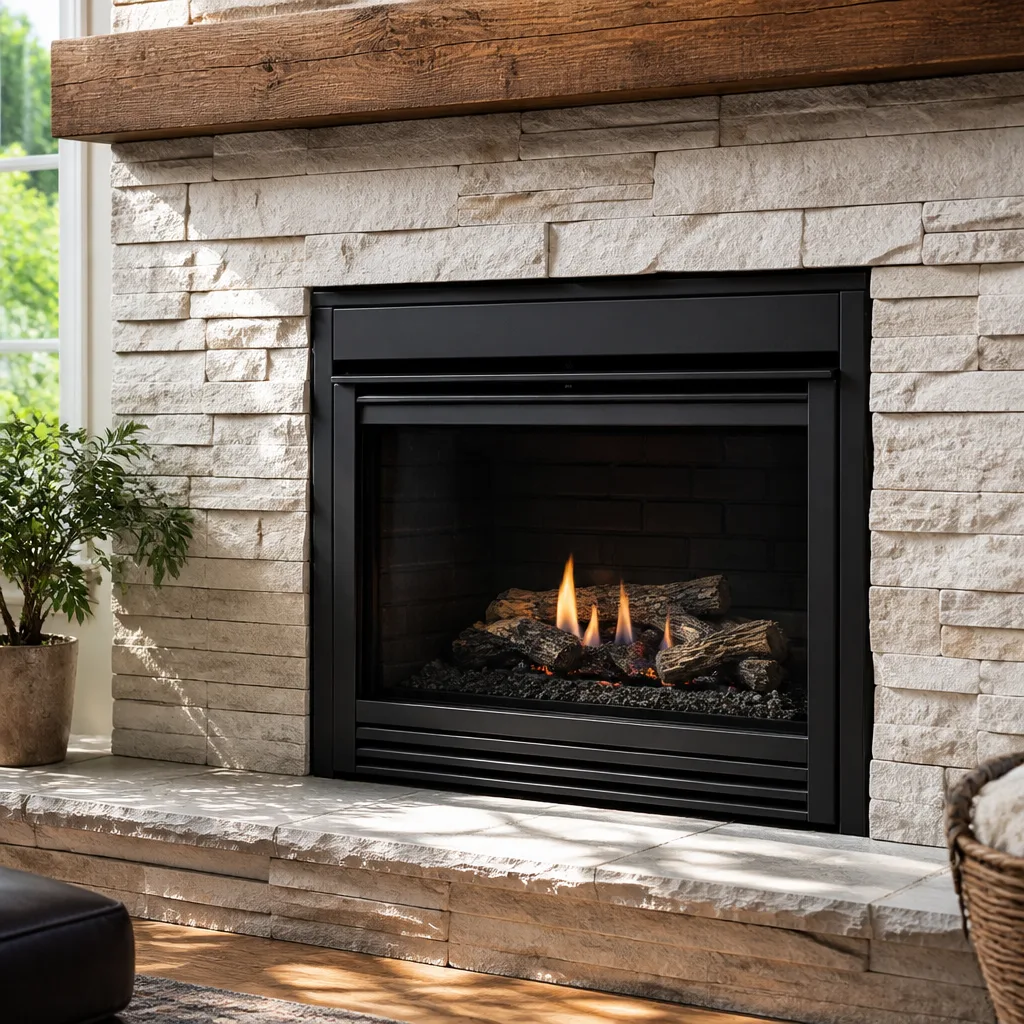 Gas fireplace service
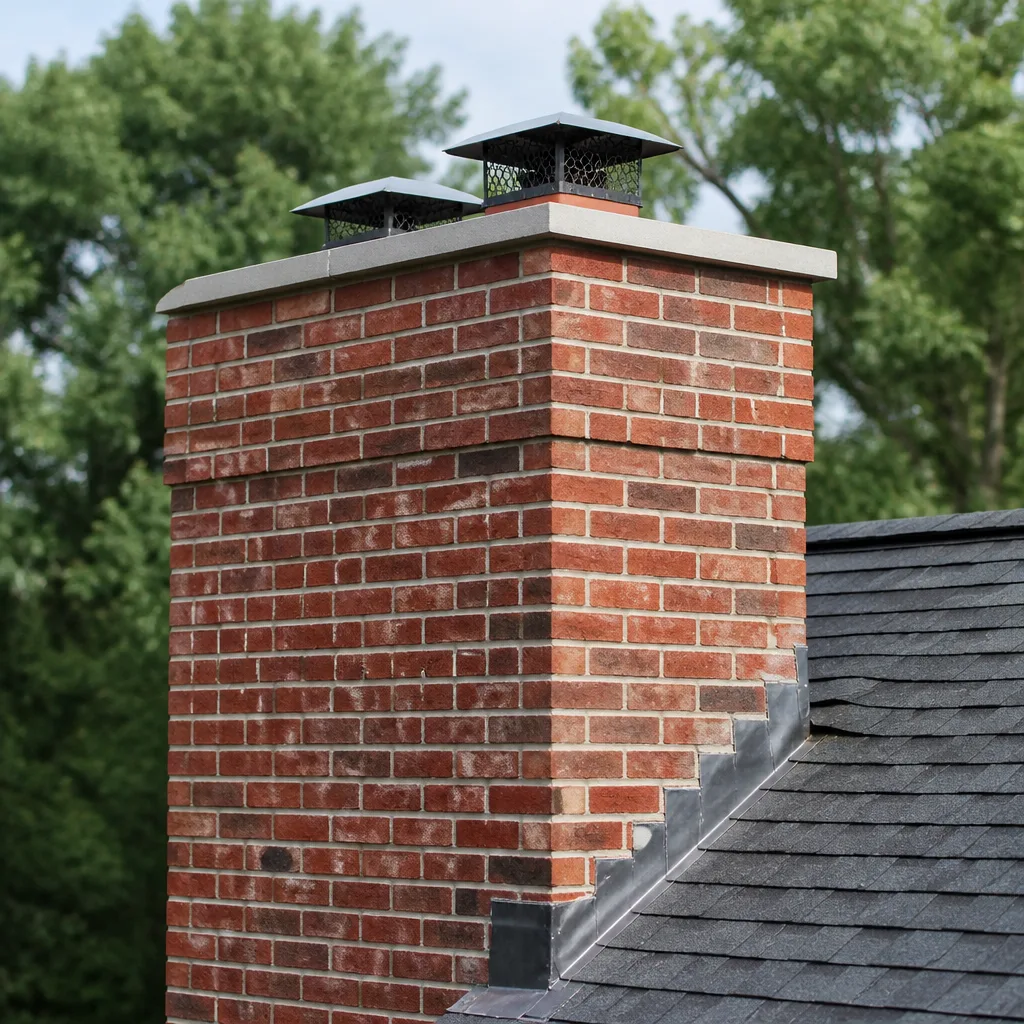
Level 1 sweep and inspection to the NFPA 211 annual standard - flue, crown, cap, and flashing checked and photographed
Chimney sweep logs do not sweep chimneys. They loosen some creosote - which then falls where a brush and vacuum still have to collect it.
Choosing the Right Chimney Cleaning Brand: A Buyer’s Guide for Washington Square
Most homeowners judge chimney companies by the name on the truck. That’s the wrong yardstick. What actually determines whether your chimney stays safe and dry for the next decade is the material a contractor puts into it: the cap they bolt on, the liner they install, the sealant they trowel onto a cracked flue. A galvanized steel cap in Washington Square‘s wet winters can rust through in a few years, while a stainless cap with a proper mesh gauge lasts far longer for maybe $40 more at the outset. This guide shows you what to ask, what to look for, and how to tell trade-grade work from a hardware-store quick fix.
Quick Answer
The right chimney brand isn’t a franchise name – it’s the materials and methods a contractor uses. Look for stainless steel caps with the correct mesh gauge, cast-in-place or pro-spec flexible liners, and sealants engineered specifically for flue liners. A company that can name its suppliers, show its inspection footage, and install trade-grade components is doing work that consumer-grade substitutes can’t match. Everything below is how to check that before you hire.
Styles & brands we work with
- Sweep & inspection
- Caps & crowns
- Flue relining
- Masonry repair
- Gas fireplace service
Table of Contents
- Why Materials Beat Brand Names in Chimney Work
- Caps and Crowns: Where Most Chimney Water Damage Starts
- Liner Systems: Cast-in-Place vs. Flexible Stainless
- Sealants and Resurfacing: Professional vs. Hardware Store
- Questions That Separate Specialists From Generalists
- What Their Equipment Says About Their Capability
- What “Trade-Grade” Actually Means
- How to Evaluate Any Company, Regardless of Name
Why Materials Beat Brand Names in Chimney Work
A national franchise logo doesn’t guarantee better components. Many franchises are independently owned, and their material choices vary from location to location. Some buy premium liners and caps; others buy whatever the local building supply offers. The name on the sign tells you almost nothing about what goes into your flue.
What does tell you something: a contractor who can speak specifically about specifications. Ask about the mesh openings on a cap, the alloy of a liner, the cure behavior of a sealant. A specialist answers without hesitation. A generalist often can’t.
In Washington Square, this matters more than in dry climates. Our wet winters work on metal and masonry constantly. A cap that would last in a desert corrodes here. A crown with a poor seal lets water into the chimney structure, and once moisture is inside, repair costs climb fast.
We see the difference between consumer-grade and trade-grade most clearly in three areas:
- Caps. Galvanized steel rusts. Stainless holds up. The price gap is small, but the life span gap is not.
- Liners. Professional flexible stainless systems, like the DuraFlex product line, carry specifications you won’t find on a retail shelf.
- Sealants and resurfacing. Ceramic products formulated for flue interiors, such as HeatShield, are engineered for heat and gas exposure. Generic masonry patch isn’t.
None of this is about brand loyalty for its own sake. It’s about what performs when the weather and the fire are both working on your chimney. A company worth hiring knows this and buys accordingly.
Caps and Crowns: Where Most Chimney Water Damage Starts
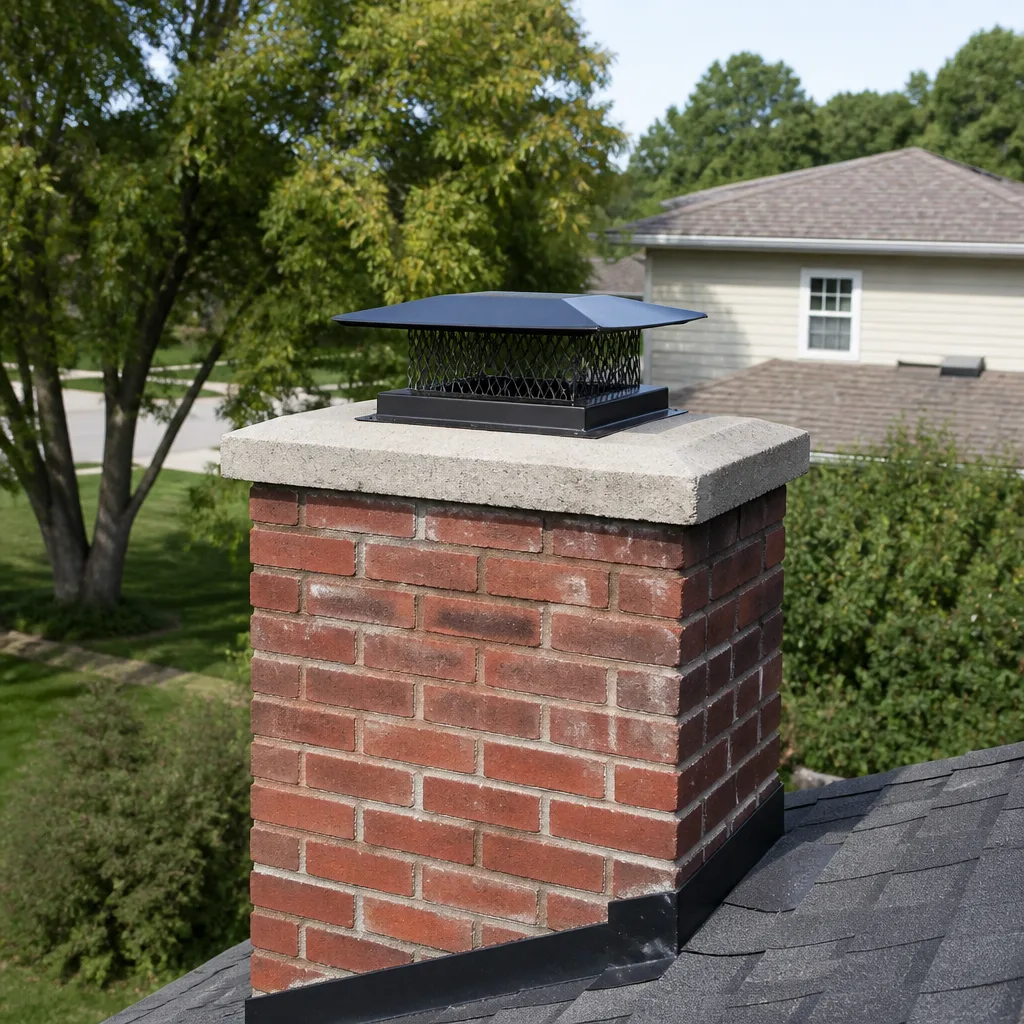
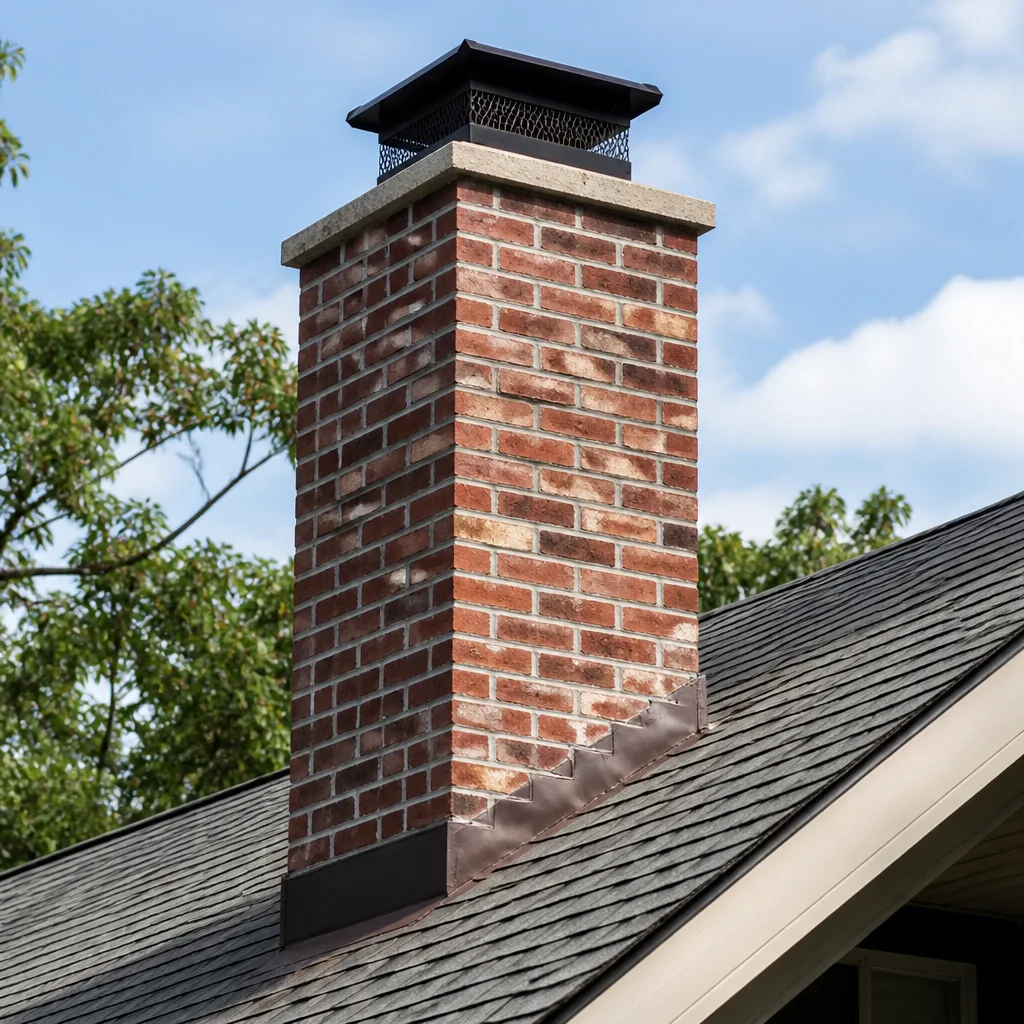
The chimney cap is the single most important piece of inexpensive protection on your home. A cap keeps rain out of the flue, blocks animals and debris, and keeps sparks from landing on the roof. The crown, the concrete surface at the top of the chimney, sheds water away from the masonry. Both fail eventually, and both are routinely ignored by companies that only sweep.
Here’s the distinction that matters when you’re comparing contractors:
| Component | Consumer-grade | Trade-grade |
|---|---|---|
| Cap material | Galvanized steel | Stainless steel |
| Cap life span | A few years in wet climates | Many years with correct mesh |
| Crown | Thin concrete patch | Properly sloped, sealed crown |
| Water shedding | Often inadequate | Engineered to direct water away |
Mesh gauge is the detail most homeowners never hear about. A cap with mesh too coarse lets in birds and squirrels. Mesh too fine blocks draft. A specialist knows which gauge suits your flue and your area’s wildlife. When we install a cap, we source from suppliers like Gelco and Famco that serve the professional chimney trade, so the mesh and alloy are specified, not guessed.
A dedicated chimney cap & crown service matters because a sweep-only company will tell you your cap is bad and then hand you a referral. One company that handles the assessment and the installation means no second call, no waiting, and no gap between finding the problem and fixing it.
Liner Systems: Cast-in-Place vs. Flexible Stainless
Your flue liner carries combustion gases out of the house. When it cracks or degrades, gases can escape into the chimney structure or the home. A liner decision is one of the biggest repair calls you’ll make, so understanding the options protects you from being sold the wrong one.
There are two broad approaches:
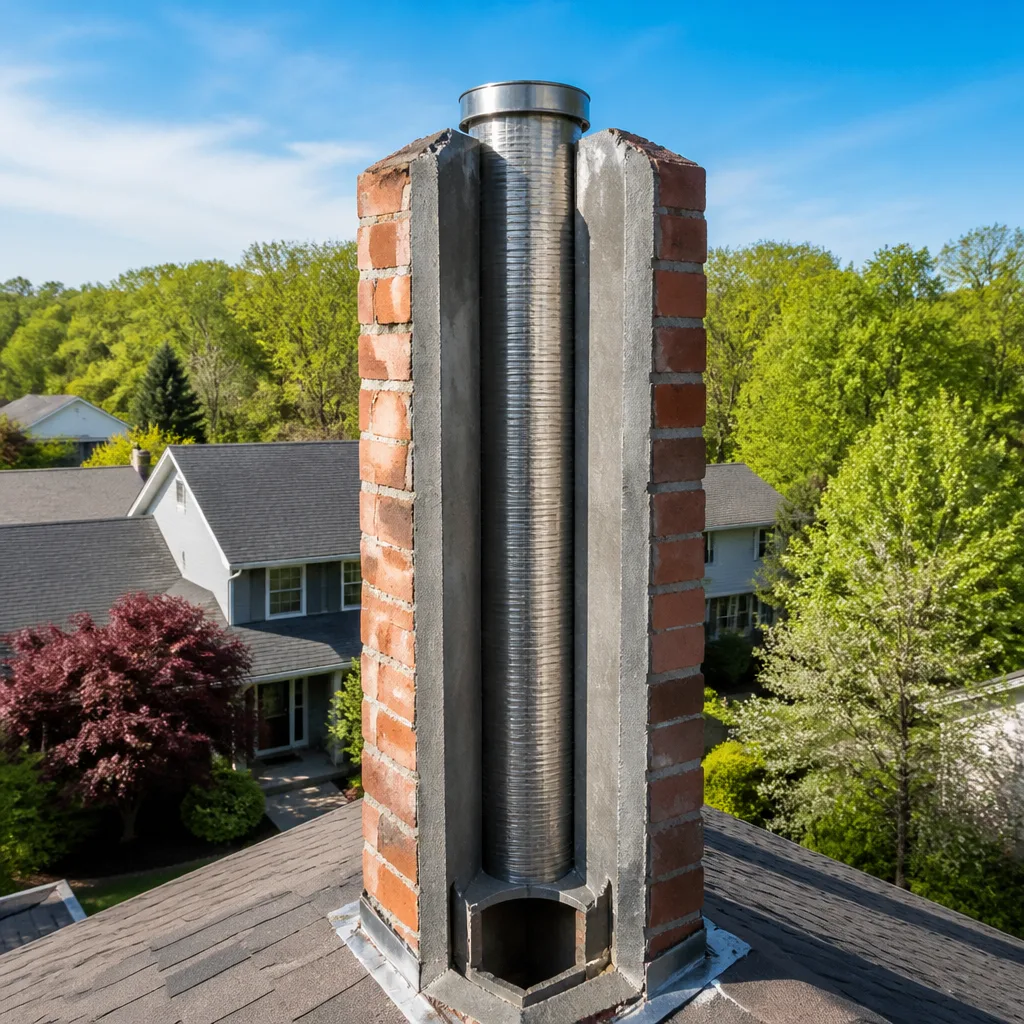
- Flexible stainless liner systems. A stainless steel tube is run down the chimney and connected to the appliance. These are common for wood stoves and inserts, and they’re what professional-grade products like DuraFlex are built for. They’re durable and relatively quick to install.
- Cast-in-place and resurfacing systems. For masonry flues with cracks or gaps, a ceramic resurfacing product is applied to the interior to rebuild a smooth, sealed surface. HeatShield is the product most associated with this method, and applying it well takes skill beyond standard sweeping.
Which one you need depends on the condition of the existing flue. A camera inspection shows that condition clearly. Without one, a recommendation for a liner is just a guess.
We install DuraFlex flexible liner systems and apply HeatShield ceramic resurfacing, which means we can recommend the option that fits your flue rather than the only one we offer. If you’ve been told you need a liner and want a second opinion, or if you’re unsure your flue is sound, start with an inspection. You can read more about where that fits into the full system at Chimney Sweep Washington Square.
Sealants and Resurfacing: Professional vs. Hardware Store
A tube of masonry sealant from a home improvement store isn’t the same thing as a chimney-specific sealant. Flue interiors face heat, acidic condensate, and thermal cycling that general-purpose products aren’t formulated for. Using the wrong one can mean a repair that fails within a season or two.
Trade-grade chimney sealants and resurfacing products are specified for the interior of a flue. They’re formulated to bond to masonry, tolerate heat, and resist the corrosive byproducts of combustion. HeatShield falls in that category: a ceramic resurfacing product designed for compromised flue liners and applied by technicians trained in its use.
Why this is worth asking about: when a contractor can name the product they use and explain why, they’ve thought about performance. When the answer is vague, the material is probably whatever was cheapest at the supply counter.
- Ask what sealant or resurfacing product they use on liners.
- Ask whether it’s rated for flue interiors, not just exterior masonry.
- Ask how thick the application goes and how it’s cured.
- Ask whether the product comes from a chimney trade supplier or a general building store.
Those questions are easy to answer for a specialist. They’re hard to bluff.
Questions That Separate Specialists From Generalists
You can learn a lot in a five-minute phone call. The questions below are designed to reveal whether a contractor works with professional materials and methods or just shows up with a brush and a shop vacuum. Ask them before you book.
- “What cap do you install, and what’s it made of?” Look for stainless steel and a discussion of mesh gauge. A generalist will say “a standard cap” and leave it there.
- “Which manufacturers do you source from?” Suppliers like Olympia Chimney, Copperfield, and Famco serve the professional chimney trade. Hearing those names is a good sign. Hearing “the hardware store” is not.
- “Do you install flexible liners? Which system?” DuraFlex is a professional line. A company that installs it has made an investment in proper relining.
- “Do you apply ceramic resurfacing to flue liners?” A yes, with HeatShield named, tells you they handle liner repair beyond standard replacement.
- “What does your inspection include?” The answer should involve a camera or video scope, not just a flashlight.
- “Do you handle crown and cap replacement yourselves?” A company with dedicated cap and crown services won’t hand you off to a second contractor.
- “Can I see the footage or photos from the inspection?” A specialist expects this question and can answer it. Anyone who hesitates has something to hide.
In Washington Square, we take calls from homeowners who’ve been told they need extensive liner work and want to know whether it’s real. The questions above are the same ones they should have asked the first time. A contractor who can answer them clearly is working with real specifications, not sales talk.
What Their Equipment Says About Their Capability
A contractor’s equipment is a visible proxy for their capability. A proper video inspection system tells you more than any brochure. It means the technician can see the entire flue interior, document what’s there, and show you the footage so you can judge for yourself. A flashlight and a mirror can spot a problem near the top of the flue; they can’t show you a hairline crack two feet down.
What else to watch for:
- Proper brushes sized to the flue. A brush that’s too small doesn’t clean the walls; one that’s too large damages them.
- Hepa-filtered vacuums. A real sweep contains the dust. If the process looks improvised, it probably is.
- Camera and photo documentation. You should get a record of what was found, not just a verbal report.
- Specialty tools for cap and crown work. Installing a crown properly takes more than a trowel and a bag of mix.
When we inspect a chimney, we use a video system and include the findings in a photo report. That’s not marketing – it’s the only honest way to recommend a repair, because you should be able to see what we see before you agree to anything. If a repair can safely wait, we say so.
What “Trade-Grade” Actually Means
Trade-grade means materials sourced through professional chimney supply channels, specified for the job, and not sold at big-box stores. It’s a real distinction with real performance differences. The national home improvement chains carry products aimed at general use, and those products often aren’t rated for the heat, moisture, and chemical exposure a chimney produces.
The suppliers worth knowing:
- HeatShield. A ceramic resurfacing product for compromised flue liners. Its application takes training and a feel for the material.
- DuraFlex. A flexible stainless liner system used in professional relining.
- Gelco and Famco. Chimney cap and component suppliers serving the trade.
- Olympia Chimney and Copperfield. Established supply brands in the professional chimney market.
We work with these product lines because they’re what certified chimney professionals specify. That’s the difference between a repair that holds and one that gets redone. Our technicians have up to 9 years of experience, and part of that experience is knowing that material choice is what separates a lasting repair from a callback.
The materials also matter for the whole chimney system. A cap, crown, liner, and damper all interact. A repair that solves one problem while ignoring the others leaves the chimney exposed. That’s why one company handling chimney sweep, inspection, repair, and cap work together sees the full picture instead of a fragment of it.
How to Evaluate Any Company, Regardless of Name
Strip away the branding and the checklist gets simpler. Here’s how to judge a chimney company on what actually counts.
- Ask for material specifics. Stainless steel, correct mesh gauge, named liner system, chimney-specific sealant. Anyone who can’t answer, can’t vouch for their own work.
- Review the inspection process. Video scope, photo report, clear documentation. If the inspection is a flashlight and a nod, you’re not getting a real assessment.
- Check whether they handle the full system. Sweeping, inspection, liner and masonry repair, cap and crown, and fireplace repair under one company means no handoffs and no gaps.
- Ask about their supply chain. Trade suppliers are a signal. A hardware store is a warning.
- Look for a written estimate. The price should be set before work begins, based on what the inspection found.
- Trust the evidence. If a company recommends expensive repair, they should show you why. If they say the work can wait, that’s a good sign.
Evaluate every company against these points, and the brand name on the truck becomes irrelevant. In Washington Square, where wet weather treats chimneys harshly, the material quality of the repair is what determines whether you’re back on the phone next year.
Common Mistakes to Avoid
- Hiring on the name alone. A recognizable franchise logo doesn’t mean premium materials. Ask the material questions regardless of how established the name sounds.
- Accepting a cap made of galvanized steel. In Washington Square’s wet climate, a galvanized cap can rust through in a few years. The small extra cost of stainless buys far more life.
- Skipping the video inspection. Without proper camera footage, any recommendation for liner or masonry work is unverified. Ask to see the footage before agreeing to repair.
- Letting a sweep-only company stop at cleaning. A sweep that leaves a cracked crown or loose cap in place has cleaned your flue but done nothing about water intrusion. Ask whether cap and crown conditions were checked.
- Using hardware-store sealant on a flue. General-purpose masonry products aren’t rated for flue interiors. Confirm that chimney-specific sealants or ceramic resurfacing are being used.
- Handing the job to a generalist handyman. Flue work requires a trained chimney specialist. A handyman may not know a mesh gauge from a liner alloy, and that gap can cost you a second repair.
- Skipping the annual inspection. Skipping it means small issues go unseen until they’re big ones. A yearly inspection catches cracks and cap problems before they become structural.
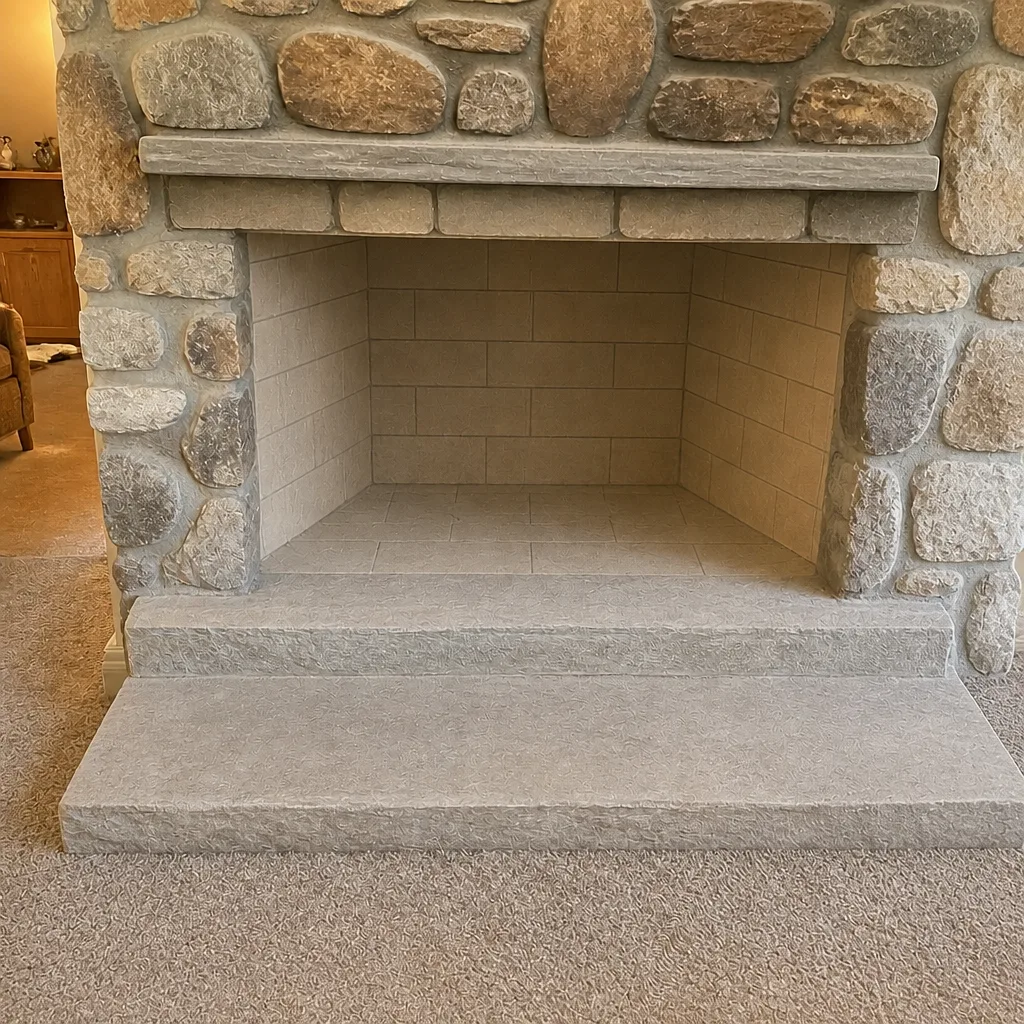
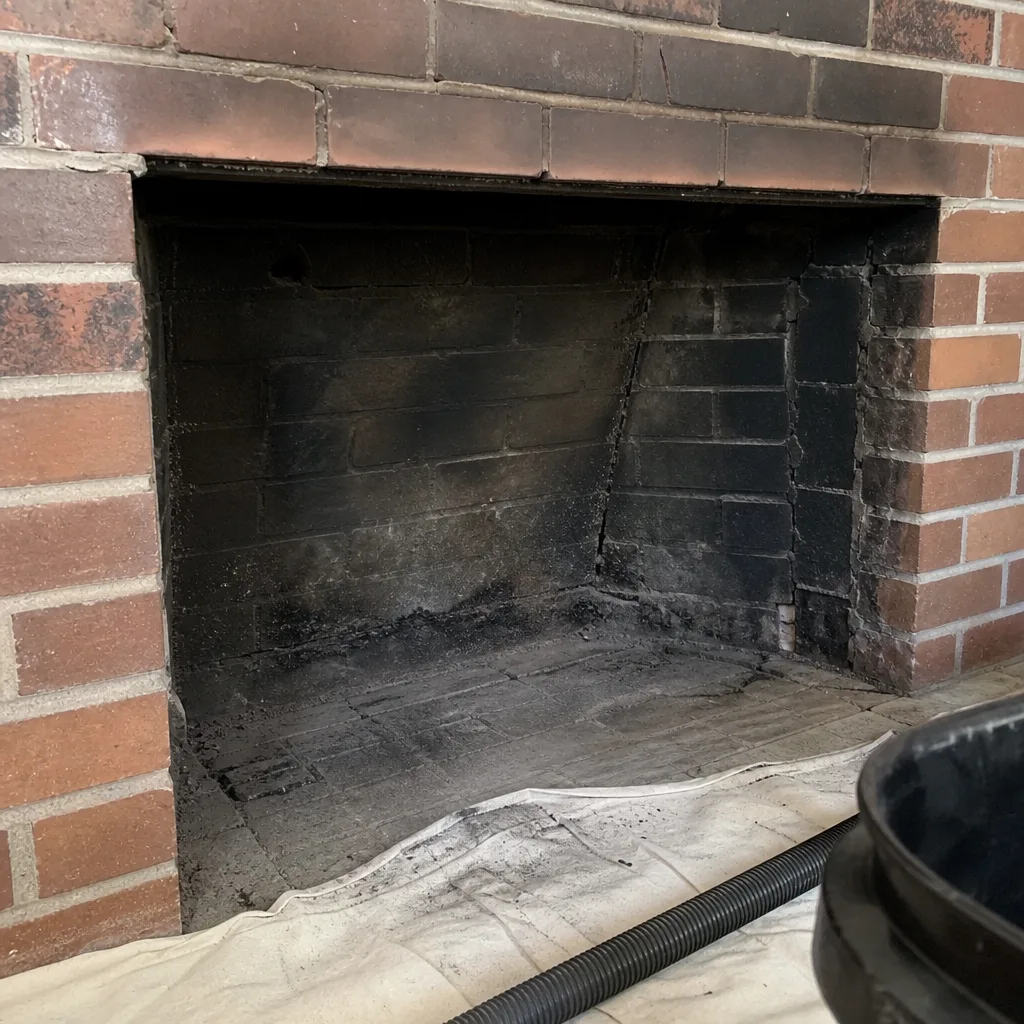
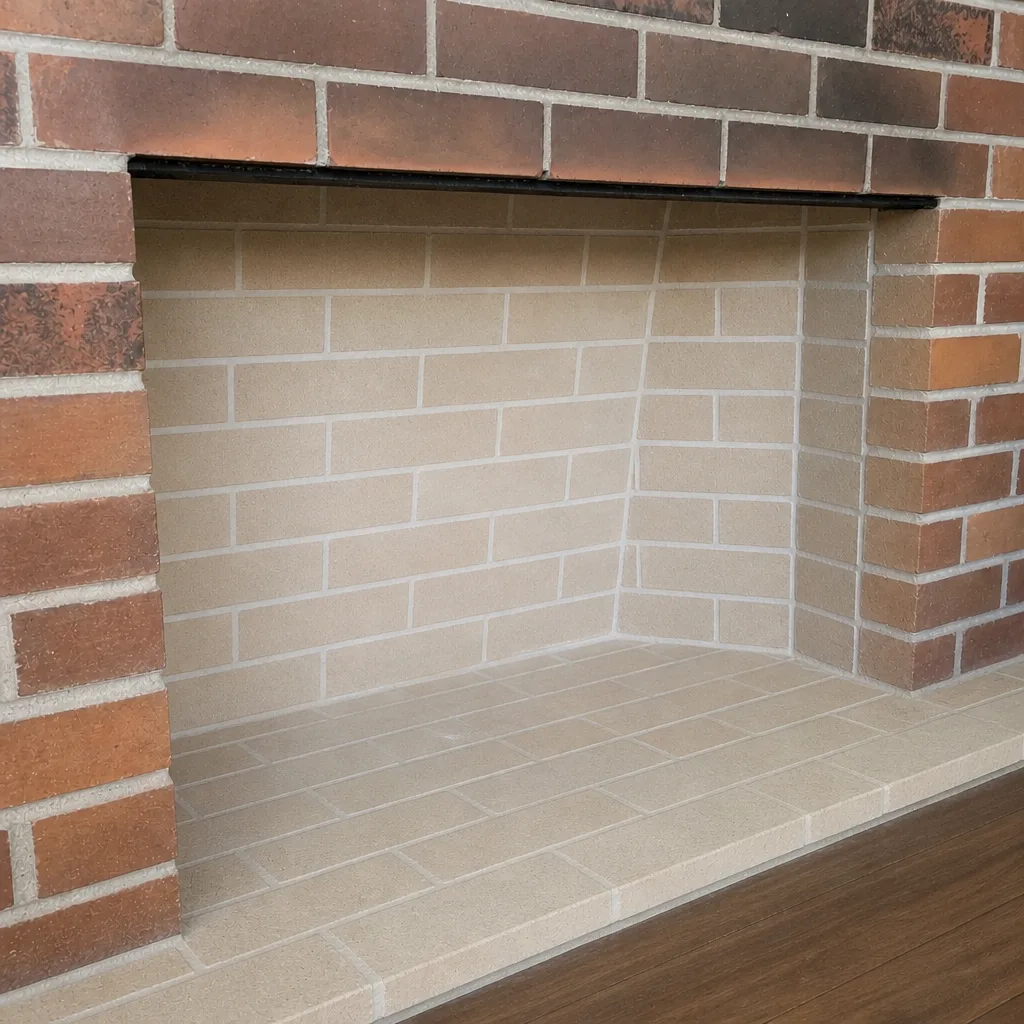
See the difference
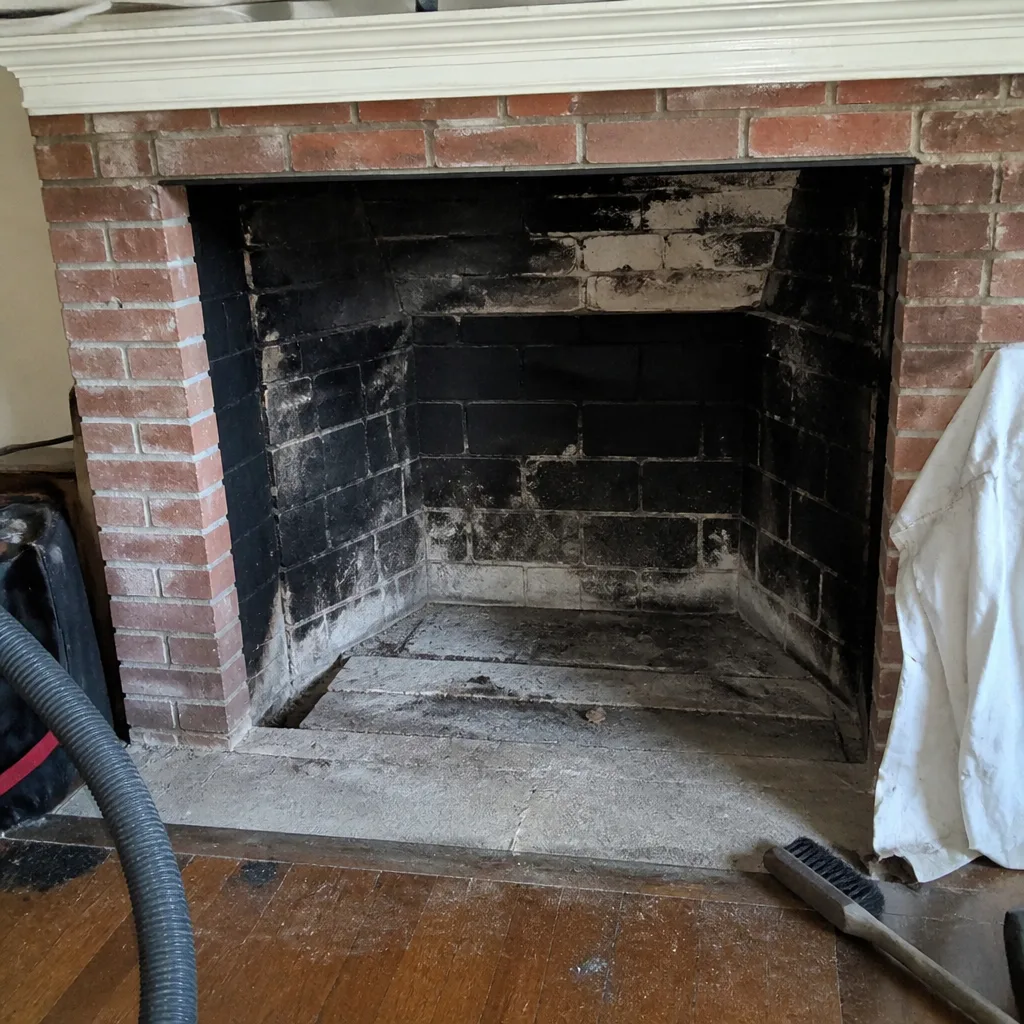 Before
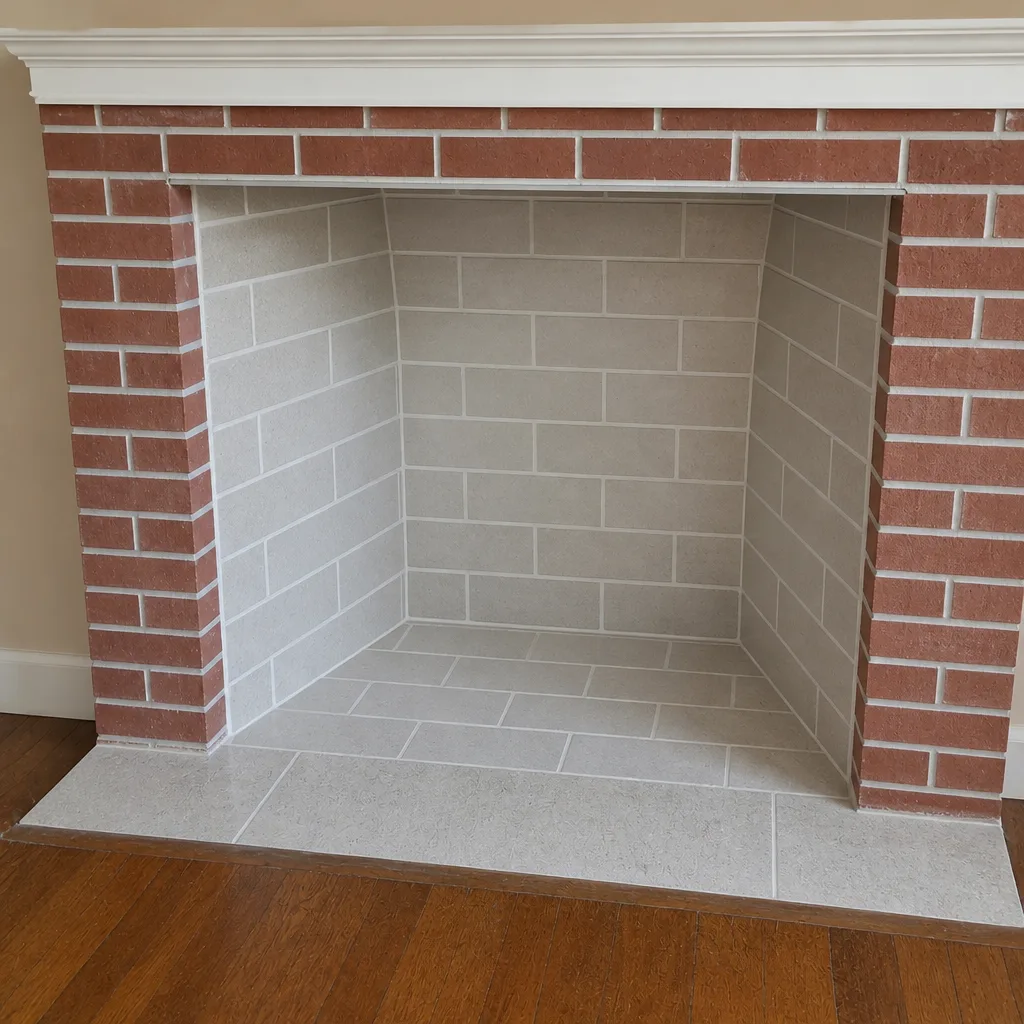 After
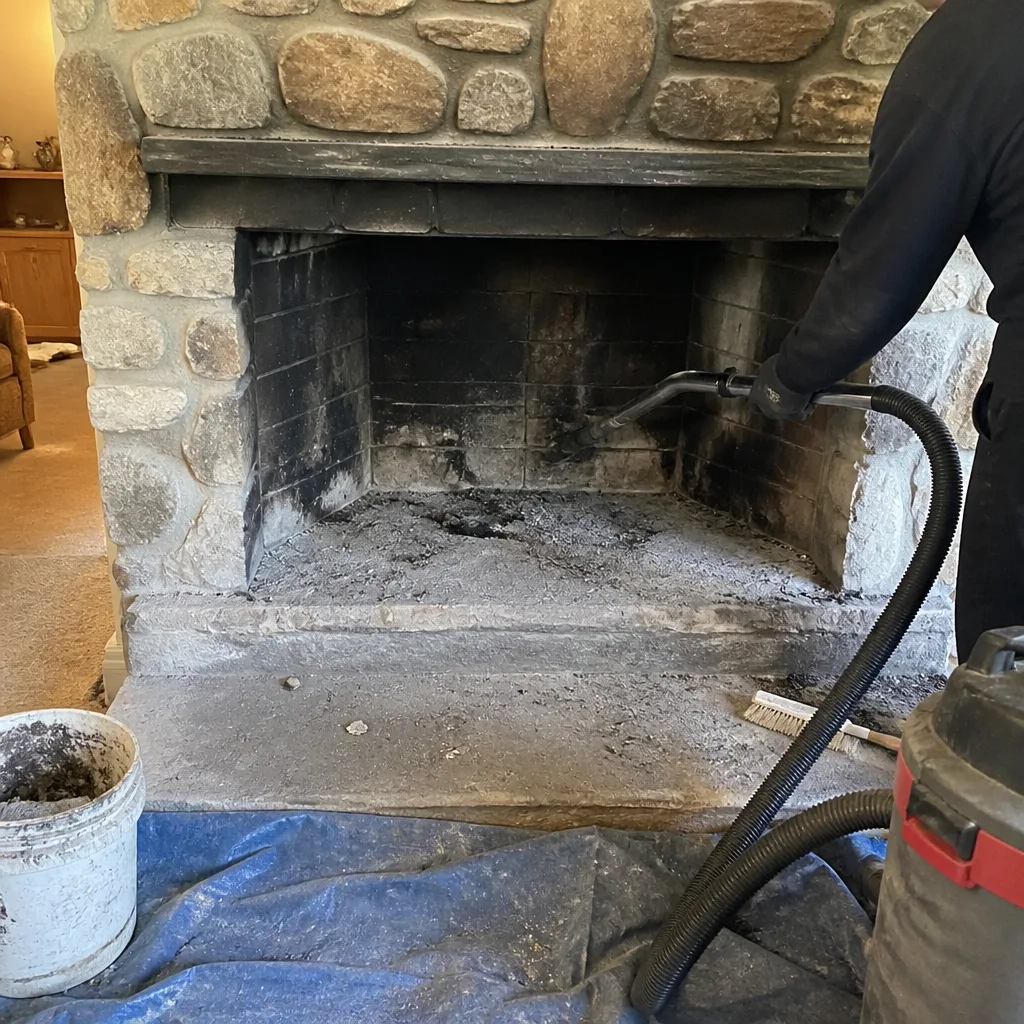 Before
 After
 Before
 After
When to Call a Professional
A few situations call for a specialist, not a generalist. If you’ve never had your chimney inspected, start now – an annual inspection is the baseline for any wood-burning or gas fireplace. If a home inspector or your insurer has flagged a repair, get it assessed by a chimney specialist who works with trade-grade materials and can show you what they find. If your cap is loose, rusted, or missing mesh, that’s a water and animal issue that gets worse with every rain. If you notice cracks in the firebox or creosote buildup, or your fireplace smokes or drafts poorly, have it checked before the next burn.
Chimney Sweep Washington Square offers free estimates in Washington Square – call (833) 513-8794. We answer 24/7. Fast dispatch from 7am to 7pm, Sunday through Friday.
Frequently Asked Questions
No – the material specifications matter far more than the company name. A company’s brand tells you little about whether they install stainless caps, professional liner systems, or flue-rated sealants. Ask what products they use and where they source them; that’s what determines the repair’s longevity.
A trade-grade cap is stainless steel with a mesh gauge specified for the flue, sourced through professional chimney suppliers rather than a retail store. It costs modestly more up front, but in Washington Square’s wet climate a galvanized cap can rust through in a few years while stainless lasts far longer. The material is what matters. Call (833) 513-8794 for an exact quote – estimates are free.
Yes, if the inspection uses a video scope and you get a photo report showing what was found. A professional can show you cracks or gaps in the flue and explain why a liner or resurfacing is needed. If a company recommends a liner without footage, ask for it before you agree.
Our wet winters put constant moisture pressure on caps, crowns, and masonry. Water intrusion is the leading cause of chimney damage, and it happens faster in a damp climate than in a dry one. Stainless caps and properly sealed crowns shed water in a way that galvanized and patchwork repairs don’t. Call (833) 513-8794 for an exact quote – estimates are free.
A sweep cleans the flue. A full-service company also inspects with a camera, repairs liners and masonry, installs caps and crowns, and repairs fireplaces. Choosing the full-service company means no handoffs and no one telling you to call someone else for the problem they just found.
Once a year is the standard recommendation, and an annual inspection catches small problems before they become structural. If your fireplace is used heavily, a sweep may be needed more often. Cap and crown condition should be checked at each inspection. Call (833) 513-8794 for an exact quote – estimates are free.
The Bottom Line
The right chimney contractor isn’t defined by a national name. It’s defined by the materials they install: stainless caps, professional liner systems like DuraFlex, ceramic resurfacing like HeatShield, and components from trade suppliers such as Gelco, Famco, Olympia Chimney, and Copperfield. Ask about material suppliers and product specs, and watch which contractors answer easily. In Washington Square’s wet climate, the quality of the cap, crown, and sealant determines whether your repair holds. Choose trade-grade materials, properly installed, and one company that covers inspection through repair.
Ready to talk materials before you hire? Call Chimney Sweep Washington Square at (833) 513-8794 for a free estimate. We answer 24/7. Fast dispatch from 7am to 7pm, Sunday through Friday. We’ll show you what we find and tell you plainly when work can safely wait.
Written by the team at Chimney Sweep Washington Square.